Preparing for Your Session
Arrive well-hydrated, having consumed at least 500ml of water in the hour beforehand. Avoid alcohol for 24 hours prior and heavy meals for two hours before your session. Many facilities provide towels, but bring a large towel to sit on and a smaller one for wiping sweat.
Wear minimal, loose-fitting clothing or swimwear. Cotton shorts and a vest work well for first-time users who prefer not to be completely undressed. Remove all jewelry, watches, and metal objects, which can become uncomfortably hot. Your practitioner will explain the controls and safety features before you enter.
Some centers recommend a cool shower beforehand to remove lotions or perfumes, though this isn't always necessary. Let staff know about any health conditions, medications, or concerns. They should provide water bottles and explain the emergency call system.
The Session Experience
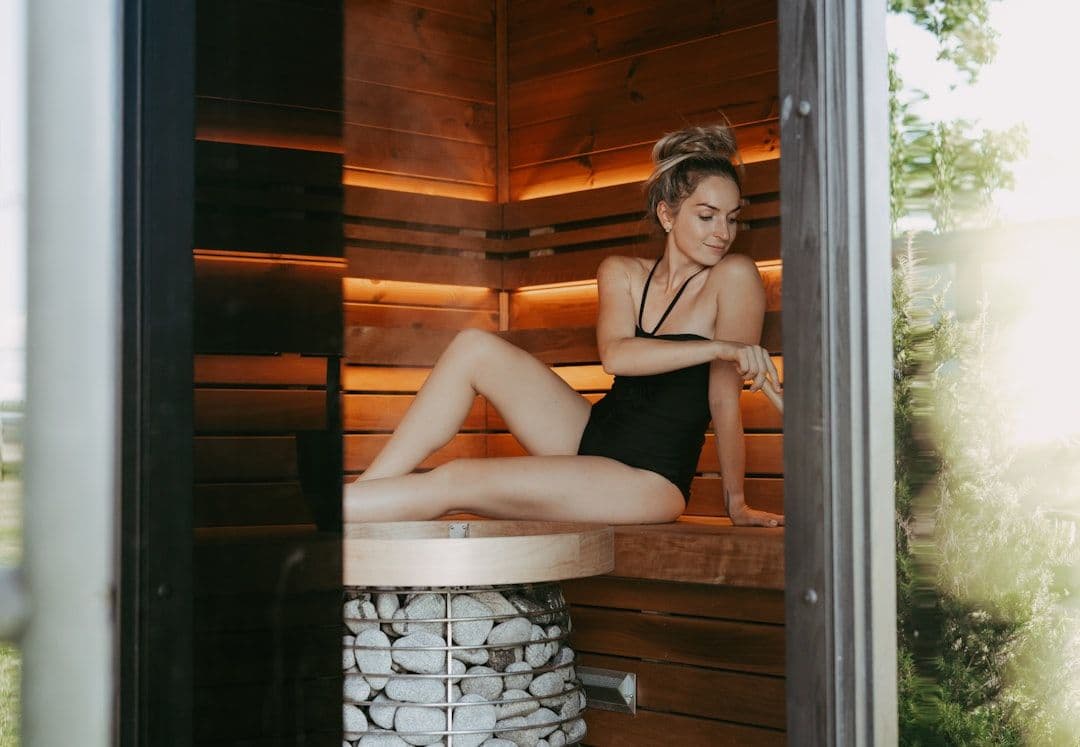
You'll step into a wooden cabin roughly the size of a small changing room, fitted with infrared panels along the walls or ceiling. The temperature starts around 40°C - noticeably warm but not overwhelming. Most units have built-in entertainment systems, reading lights, or simply encourage quiet relaxation.
For the first 10-15 minutes, you'll feel pleasantly warm rather than intensely hot. The infrared heat penetrates gradually, and you'll notice your skin beginning to warm from within. Unlike traditional saunas, you can breathe easily and the air doesn't feel oppressively humid.
As your core temperature rises, perspiration begins - first as light moisture, building to steady sweating by 15-20 minutes. The heat feels different from conventional saunas: deeper and more enveloping rather than surface-level intensity. Many people describe it as similar to lying in warm sunlight.
Sessions typically last 20-45 minutes. First-time users often start with 20-minute sessions, gradually increasing duration as they adapt. You're free to leave at any point - there's no pressure to endure discomfort.
What You Might Feel During and After
During the session, expect to feel increasingly relaxed as the warmth builds. Your heart rate will rise slightly - similar to light exercise - as your body works to regulate temperature. Some people experience mild dizziness when first standing, so move slowly when exiting.
Sweating patterns vary enormously. Some people perspire heavily within 10 minutes, others take 30 minutes to build a substantial sweat. Don't worry if your response differs from others - individual variation is normal and doesn't indicate effectiveness.
Immediately after, you'll likely feel deeply relaxed and possibly slightly fatigued. Many report improved sleep quality that night. Some experience mild muscle soreness relief within hours, while others notice benefits developing over subsequent days.
Occasional light-headedness, temporary skin flushing, or mild dehydration headaches can occur if you haven't maintained adequate fluid intake. These should resolve quickly with proper rehydration.
Post-Session Care
Cool down gradually rather than rushing into cold environments. Many facilities provide a rest area where you can sit quietly for 5-10 minutes. Take a lukewarm shower to rinse away sweat and toxins, avoiding very hot or cold water immediately after.
Hydration becomes critical post-session. Drink 500ml-1 liter of water over the following two hours, adding electrolytes if you've sweated heavily. Avoid alcohol for several hours as your body continues regulating temperature and fluid balance.
Plan a gentle evening if possible. Many people feel pleasantly tired and benefit from early rest. Avoid intense exercise for the remainder of the day, though gentle movement like walking can help with circulation.
Some temporary skin sensitivity is normal. Apply a gentle, fragrance-free moisturiser if needed, and avoid harsh skincare products for 12-24 hours.
Building a Regular Practice
Most practitioners recommend starting with 1-2 sessions per week, allowing your body to adapt to the heat stress. The first 3-4 sessions often feel quite intense as your thermoregulatory system adjusts. By the fourth or fifth session, most people find the experience more comfortable and can extend duration.
For those seeking relaxation benefits, weekly sessions often suffice. People using infrared sauna for muscle recovery might benefit from 2-3 sessions weekly. There's no universal prescription - frequency depends on individual goals, tolerance, and lifestyle factors.
Some users report cumulative benefits developing over 4-6 weeks of regular use, including improved sleep patterns and reduced muscle tension. Others notice immediate relaxation effects that motivate continued use.
Consider keeping a brief log of your sessions, noting duration, temperature, and how you felt during and after. This helps you identify your optimal session length and frequency while tracking any patterns in benefits or side effects.