What It Is
Musculoskeletal pain refers to discomfort arising in muscles, bones, joints, or connective tissue
Exploring gentle paths through muscle and joint discomfort
At a glance
What It Is
Musculoskeletal pain refers to discomfort arising in muscles, bones, joints, or connective tissue
How It Presents
Stiffness, aching, sharp pain, or limited movement often felt in the back, neck, knees, or shoulders
What May Help
Movement-based practices, bodywork, mind-body therapies, and lifestyle approaches are commonly explored
Evidence Context
Research on complementary approaches is growing, with moderate evidence supporting some movement and mind-body methods
See the evidence snapshotWhen to Seek Help
Seek care for trauma, neurological symptoms, systemic signs, or pain that significantly limits daily function
Explanation
Musculoskeletal pain is a broad category encompassing pain affecting muscles, bones, joints, tendons, ligaments, and nerves of the musculoskeletal system. It is the most common cause of pain and disability worldwide and includes conditions ranging from acute muscle strains to chronic widespread pain. The biopsychosocial model is now well-established — physical, psychological, and social factors all contribute to the onset, persistence, and experience of musculoskeletal pain. Holistic approaches that address the whole person alongside the physical structure are associated with better long-term outcomes.
Could this be you
Musculoskeletal Pain shows up differently for everyone. Browse by how it tends to be felt — these are common experiences, not a checklist or a diagnosis.
Common experiences people describe — not a diagnostic checklist.
Why it happens
Musculoskeletal Pain usually comes from a mix of factors rather than a single cause. These are common contributors — not certainties.
Ageing, prior injuries, and genetic factors may increase vulnerability to muscle and joint discomfort over time.
Psychological stress may heighten pain sensitivity and contribute to muscle tension, particularly in the neck and back.
Sedentary behaviour, excess body weight, and repetitive occupational demands may place added strain on muscles and joints.
Poor sleep may lower pain tolerance and slow tissue recovery, potentially worsening musculoskeletal discomfort.
What happens in the body
Musculoskeletal Pain can involve several of the body’s systems. These are common patterns researchers describe — how they show up varies from person to person.
Muscles, tendons, joints, and connective tissues may sustain mechanical stress or microtrauma, leading to localized inflammation, reduced mobility, and persistent discomfort.
In chronic presentations, the central nervous system may become sensitized, amplifying pain signals so that normal stimuli are perceived as more intense or widespread than expected.
Prolonged psychological stress may elevate cortisol and other stress hormones, which can contribute to increased muscle tension, inflammation, and a lowered pain threshold over time.
Emotional distress, fear-avoidance beliefs, and social circumstances are thought to influence how pain is experienced and maintained, potentially reinforcing disability and limiting recovery.
Process
Management
A physical therapist may design targeted movement and strengthening programs that some people find helpful for reducing musculoskeletal pain and restoring functional mobility over time.
A doctor may discuss NSAIDs or acetaminophen as short-term options some people use to manage acute musculoskeletal discomfort, though guidance on duration and suitability is important.
Traditionally used for pain and tension, acupuncture is an approach some practitioners suggest for musculoskeletal pain, with moderate evidence supporting its potential role in symptom management.
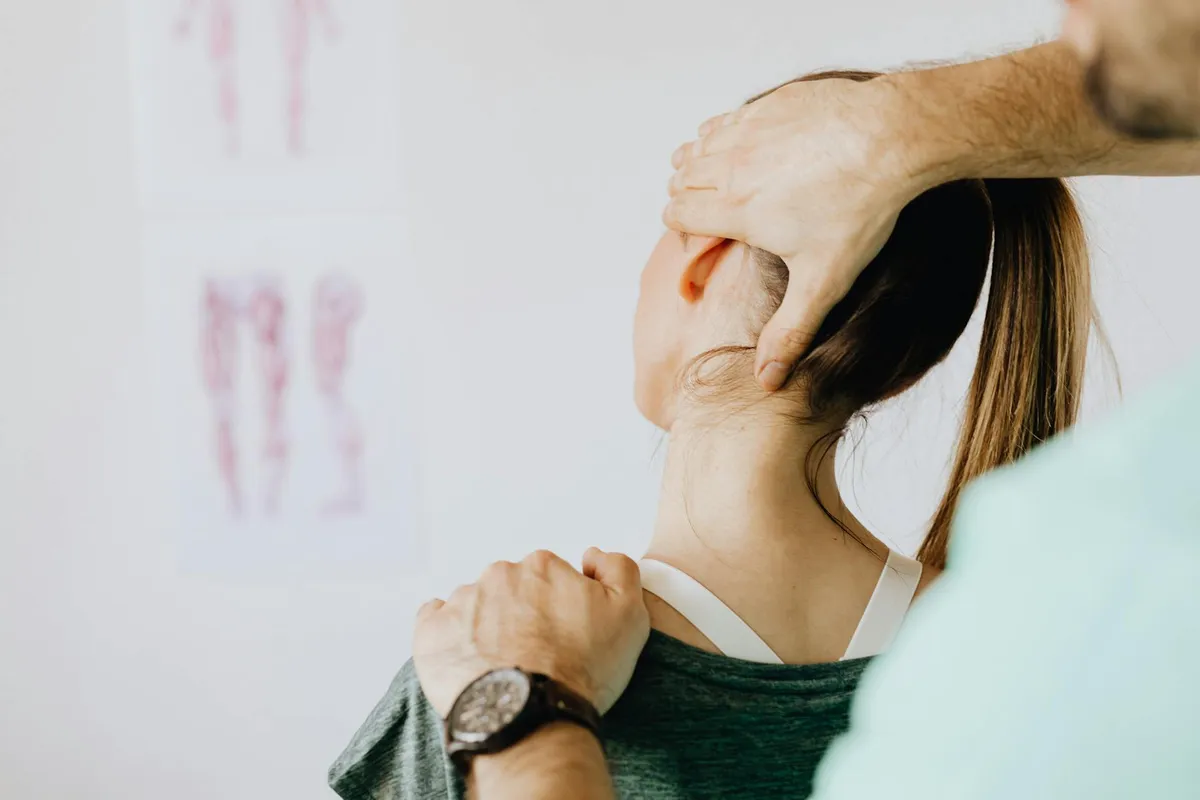
Manual therapies such as chiropractic adjustments or osteopathic techniques may support joint mobility and reduce discomfort, and some people find benefit particularly for back, neck, and joint-related pain.
Practices like Tai Chi and yoga may support pain management and flexibility in musculoskeletal conditions, with some research suggesting benefit for chronic pain when practiced consistently.
Self-Care
Low-impact activities like walking, swimming, or cycling may support muscle and joint health. Some people find that moving regularly helps reduce stiffness and maintain mobility over time.
Sleep position and mattress support can influence musculoskeletal comfort. Some practitioners suggest sleeping with a supportive pillow and avoiding positions that place sustained strain on painful areas.
Prolonged sitting or repetitive postures are common contributors to musculoskeletal discomfort. Small adjustments like screen height, chair support, and keyboard position may help reduce daily physical strain.
Psychological stress can heighten pain sensitivity and muscle tension. Practices such as deep breathing, mindfulness, or gentle yoga may support overall pain management as part of a broader self-care approach.
Balancing activity with intentional rest periods may help prevent overuse flare-ups. Some people find that gentle stretching or light movement on rest days supports recovery better than full inactivity.
The Evidence
What research tells us about musculoskeletal pain, how it works, and which approaches have the strongest support.
Well-researched area with good support for active approaches
Musculoskeletal pain is one of the most studied health areas globally. Evidence consistently favours active, person-centred approaches — particularly exercise, pain education, and manual therapy — over passive or rest-based strategies alone.
Exercise therapy is consistently the most evidence-supported approach for musculoskeletal pain across multiple conditions and body regions. Manual therapy, pain neuroscience education, and psychological approaches also have good or moderate evidence, particularly for chronic presentations. Acupuncture, yoga, and Tai Chi carry moderate-to-good evidence for specific conditions.
Musculoskeletal pain can arise from mechanical stress, microtrauma, or inflammation in muscles, joints, or connective tissue. In chronic cases, the nervous system may become sensitised, amplifying pain beyond the original site. Prolonged stress can raise muscle tension and lower pain thresholds. The biopsychosocial model is now well-established in this field.
Research supports integrating physical care with attention to sleep, stress, movement habits, and psychological wellbeing. Approaches such as mindfulness, yoga, and Tai Chi complement structural care by addressing the broader context in which pain is experienced. Some research suggests holistic care plans may be associated with better outcomes than single-modality approaches for chronic presentations.
Seek prompt assessment if pain follows significant trauma, if you notice numbness or tingling in the limbs, loss of bladder or bowel control, a joint that is hot, red, and swollen, or pain accompanied by unexplained weight loss. These may indicate conditions requiring urgent professional attention beyond general musculoskeletal care.
Physiotherapy, osteopathy, massage, acupuncture, yoga, Pilates, and Tai Chi are among the most commonly used approaches. Many seekers benefit from a combination tailored to their specific condition, lifestyle, and goals. A qualified practitioner can help identify which combination is most appropriate for your situation.
Evidence consistently shows that prolonged rest and avoidance of movement can worsen outcomes for most musculoskeletal conditions. Relying solely on passive treatments without addressing movement, lifestyle, or psychological factors is associated with poorer long-term recovery. If symptoms are not improving, professional reassessment is advisable.
Safety first
Musculoskeletal Pain is manageable, and support helps. Some situations call for prompt professional help.
Explore approaches
Practices people explore for musculoskeletal pain — alongside professional care.
FAQ
Musculoskeletal pain originates in the muscles, joints, bones, or surrounding tissue. When pain persists beyond typical healing time, factors like stress, movement patterns, and nervous system sensitization may contribute. A biopsychosocial approach is often recommended for chronic presentations.
Some people find relief through practices like yoga, cupping therapy, infrared sauna, or mind-body therapies. Evidence varies across modalities, and results differ by individual. These approaches are often most effective when used alongside conventional care rather than as a replacement.
Some practitioners suggest that approaches like guided imagery, hypnosis, and sensorimotor therapy may support the way the nervous system processes pain signals. Research is still developing in this area, but some people find these methods helpful for improving quality of life and daily function.
You should seek medical assessment if pain follows significant trauma, is accompanied by numbness, fever, or unexplained weight loss, or if it is not improving with self-management. Persistent pain that limits your daily activity always warrants professional evaluation.
Gentle movement, heat or cold application, mindful rest, and stress reduction are commonly explored by people managing musculoskeletal discomfort. Some people find that consistency with low-impact activity like hatha yoga or restorative practices may support mobility over time.
Keep exploring
Browse practitioners, explore honest overviews, and take what you learn to a conversation — at your own pace.