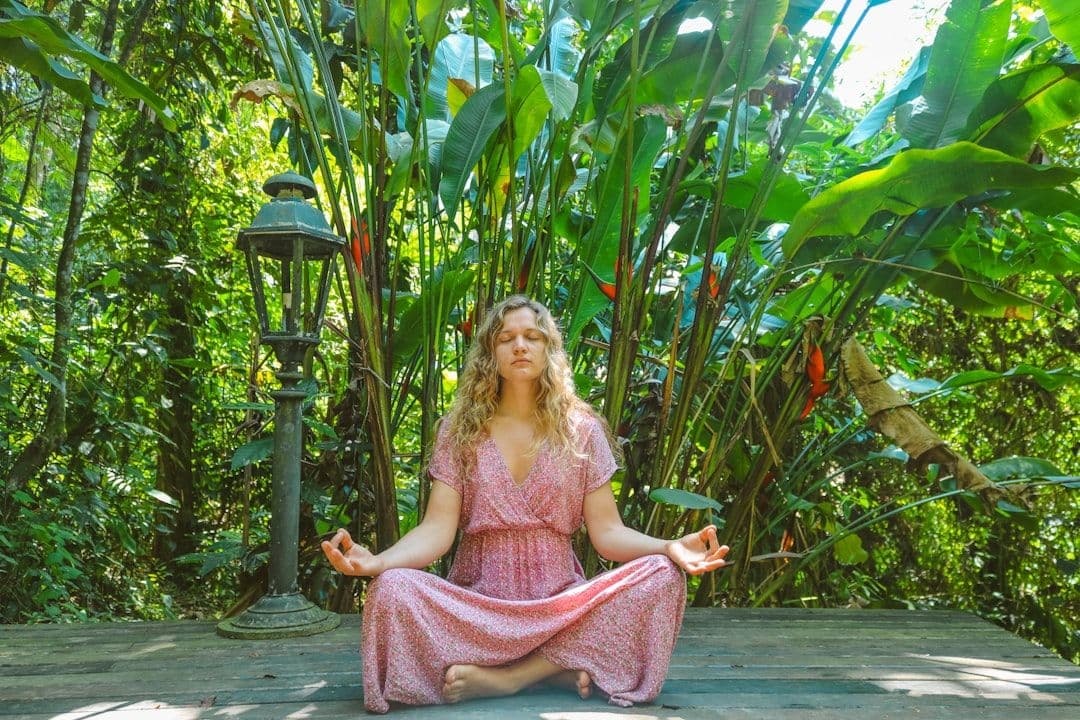
Before You Arrive: Preparing Body and Mind
Traditional preparation begins days or weeks before your session. Many curanderos recommend following a dieta — abstaining from alcohol, recreational drugs, processed foods, and sexual activity for at least three days beforehand. This isn't merely physical cleansing but energetic preparation, creating space for the plant medicines to work effectively.
Set a clear intention for your session. This might be healing from trauma, gaining clarity about a life decision, or simply opening to whatever wisdom the plants offer. Write this intention down and carry it with you.
Wear comfortable, modest clothing in natural fabrics. Bring a water bottle, perhaps a notebook for later reflection, and any personal items that feel grounding — a stone, photograph, or piece of jewelry. Leave expectations at the door. Traditional healers emphasize that plant medicines give you what you need, not necessarily what you want.
The Session Unfolds: From Consultation to Ceremony
Your session typically begins with consultation. The curandero or facilitator will ask about your health, intentions, and what brought you to this work. They may examine your energy field, look at your eyes, or touch pulse points. This diagnostic process identifies imbalances and determines which plant medicines are appropriate.
Ceremonial space is prepared with intention. You might see altar items — feathers, stones, plant materials — and smell burning sage or palo santo. The atmosphere becomes reverent, separated from ordinary consciousness. This preparation phase can take 30-60 minutes.
Plant medicine administration varies greatly depending on the specific healing modality. Some practitioners use ayahuasca or other visionary plants, administered in small measured doses. Others work with non-psychoactive medicinal teas, topical plant preparations, or energetic healing alone. The curandero will explain exactly what you're receiving and its traditional uses.
The core ceremony unfolds over 3-6 hours. Traditional icaros (healing songs) often accompany the work, along with rattles, drums, or other sacred instruments. The healer may blow tobacco smoke or agua de florida (floral water) over your body, use feathers to cleanse your energy field, or place hands on specific body points. You remain conscious and aware throughout, though your state of consciousness may shift significantly.
What You Might Experience: Physical and Emotional Landscapes
Experiences vary enormously between individuals and sessions. Physical sensations might include warmth or tingling, changes in breathing patterns, or temporary nausea. Some people report feeling energy moving through their bodies or sensing the presence of the plants themselves.
Emotional experiences often involve accessing buried memories, releasing old grief, or experiencing profound peace and clarity. Visual experiences, if they occur, might be geometric patterns, nature imagery, or symbolic visions that feel personally meaningful. Many people describe receiving direct guidance or understanding about their lives.
Not everyone experiences dramatic visions or intense sensations. Some sessions feel quiet and subtle — a gentle shift in perspective or a deep sense of being held by something larger than yourself. Traditional healers emphasize that gentle experiences can be equally profound and healing.
During the session, you may feel called to move, cry, sing, or remain perfectly still. Trust these impulses. The facilitator remains present to support you, offering reassurance if difficult emotions arise or helping you navigate challenging territories that emerge.
After the Ceremony: Integration and Gentle Return
The immediate aftermath involves slowly returning to ordinary consciousness. Many facilitators provide light, nourishing foods and encourage gentle movement. You might feel emotionally tender, spiritually open, or physically tired. This is normal and temporary.
Avoid alcohol, heavy foods, and stimulating activities for at least 24 hours. Many people find they need extra sleep and prefer quiet activities like walking in nature, journaling, or gentle conversation. The nervous system needs time to integrate whatever shifts have occurred.
Emotional processing often continues for days or weeks after the session. Dreams may become more vivid, old patterns might feel less compelling, or new insights about your life might emerge gradually. Keep a journal during this integration period to capture evolving understanding.
Schedule follow-up conversation with your practitioner. Traditional healing emphasizes relationship and ongoing support rather than one-time interventions. Many curanderos offer integration sessions or ongoing guidance as you apply insights from the ceremony to daily life.
Building a Healing Relationship: Frequency and Duration
Traditional Amazonian healing rarely involves single sessions. Curanderos typically recommend a series of ceremonies spaced weeks or months apart, allowing time for integration between each encounter. An initial healing relationship might involve three to five sessions over six months to a year.
Some practitioners offer weekend workshops or week-long healing retreats that include multiple ceremonies, dietary practices, and time in nature. These intensive approaches can accelerate healing processes but require careful preparation and experienced facilitation.
Ongoing relationship with the work often develops organically. Some people return annually for what they describe as spiritual maintenance or tune-ups. Others work intensively during major life transitions then maintain connection through meditation, plant baths, or occasional consultation.
Trust your own pace and inner guidance about frequency. Traditional healers emphasize that the plants themselves will indicate when you're ready for deeper work or when you need time to integrate previous sessions. Rushing the process typically proves counterproductive to genuine healing and transformation.