What Happens in Ancestral Healing
Sarah sits across from her practitioner, family photos spread between them. They've been mapping her maternal line—three generations of women who struggled with boundaries, who gave too much and received too little. The practitioner guides Sarah through a visualisation where she meets her grandmother as a young woman, offering the protection her grandmother never had.
This scene captures the essence of ancestral healing: a spiritual practice that works with the belief that emotional patterns, traumas, and behaviours pass through family lines in ways that transcend individual experience. Rather than viewing family difficulties as purely personal, ancestral healing approaches them as inherited patterns that can be consciously addressed and transformed.
Practitioners work with clients to identify recurring themes—perhaps addiction, relationship patterns, or emotional responses—that seem to echo across generations. The practice then uses various spiritual techniques to acknowledge these patterns and create what practitioners describe as energetic or spiritual resolution.
Cultural Roots and Modern Evolution
Ancestral healing draws from indigenous traditions worldwide that have long recognised the connection between the living and their forebears. Many African, Native American, and Asian cultures include practices for honouring ancestors and addressing their unresolved issues as part of community wellbeing.
In contemporary practice, these traditional approaches have merged with modern psychological concepts like intergenerational trauma and family systems theory. Some practitioners trained in family constellation work—developed by German psychotherapist Bert Hellinger—incorporate those structural approaches. Others draw from shamanic traditions, energy healing, or depth psychology.
This fusion has created a diverse field where practitioners may use anything from traditional ceremony to guided meditation, ritual cleansing to symbolic representation. The common thread remains the belief that family patterns can be accessed and transformed through conscious spiritual work.
The Practice Framework
Within the ancestral healing framework, practitioners typically understand patterns as passing through family lines via energetic, emotional, or spiritual transmission rather than solely through learned behaviour or genetics. They may speak of "lineage healing" or "clearing ancestral patterns" as active processes that benefit both the individual and their family system.
Sessions often begin with exploring family history—not just events, but emotional patterns, relationship dynamics, and recurring themes. Practitioners help clients identify what they term "ancestral wounds"—unresolved traumas or patterns that seem to repeat across generations.
The healing work itself varies significantly between practitioners. Some use ritual and ceremony, others employ guided visualisation or meditation. Many incorporate symbolic acts: writing letters to deceased relatives, creating ancestor altars, or performing ceremonies intended to "release" inherited burdens. The underlying belief is that conscious acknowledgement and spiritual action can interrupt these generational patterns.
Who Seeks This Work
People often come to ancestral healing when they notice patterns in their lives that seem bigger than their individual choices. Someone might recognise that three generations of women in their family struggled with similar relationship patterns, or that financial anxiety appears consistently across their paternal line despite varying circumstances.
Those dealing with adoption or family estrangement sometimes find the practice helpful for exploring identity and belonging questions. Others are drawn to it after experiencing what they describe as sensing their ancestors' presence or feeling connected to family members they've never met.
The practice particularly attracts people who are already comfortable with spiritual approaches to personal development. Many clients combine ancestral healing with psychotherapy, viewing it as complementary spiritual work rather than psychological treatment.
A Typical Session Experience
Initial sessions usually focus on family mapping—exploring relationships, patterns, and stories across generations. Practitioners may ask clients to bring photographs, family documents, or objects that connect them to their lineage. This information gathering helps identify themes that will inform the spiritual work.
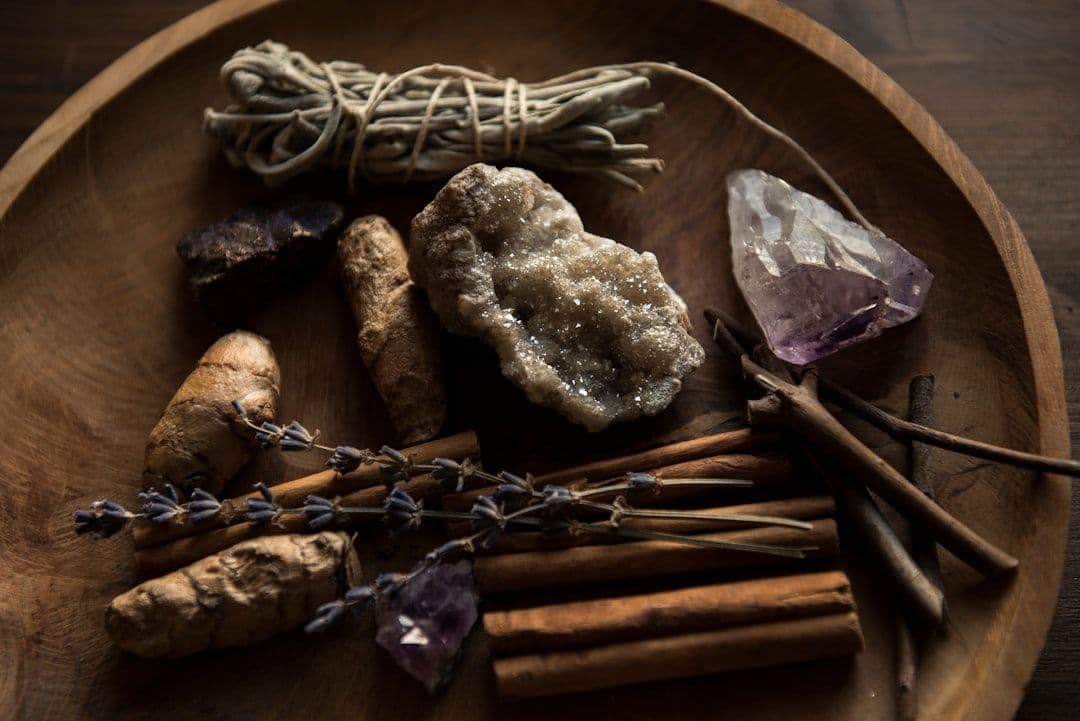
Subsequent sessions might include guided meditation where clients visualise meeting ancestors, ritual work like lighting candles for deceased family members, or ceremony designed to "return" inherited burdens to their source. Some practitioners incorporate physical elements: breathwork, movement, or working with natural objects like stones or water.
Sessions typically last 60-90 minutes, though some practitioners offer intensive day-long or weekend programmes. The pace is often slower than conventional therapy, allowing time for what practitioners describe as spiritual processing and integration.
Evidence and Outcomes
Clinical research on ancestral healing remains extremely limited. The practice operates within spiritual rather than medical frameworks, making conventional research methods challenging to apply. Studies on related concepts like intergenerational trauma transmission exist, but these focus on psychological and epigenetic mechanisms rather than spiritual interventions.
Practitioner reports describe clients experiencing shifts in family relationships, reduced anxiety around inherited patterns, and what they term "energetic relief" from carrying ancestral burdens. Some people report changes in recurring dreams, shifts in their relationships with living family members, or a sense of resolution around family history.
Outcomes vary dramatically between individuals and appear highly dependent on personal belief systems and spiritual orientation. The practice's value lies primarily in its spiritual meaning-making rather than measurable therapeutic outcomes.
Finding Practitioners and Costs
Ancestral healing practitioners come from diverse training backgrounds. Some are qualified psychotherapists who've incorporated spiritual approaches, others are trained in specific modalities like family constellation work or shamanic healing. Many combine ancestral work with other practices like energy healing or spiritual counselling.
Look for practitioners who are transparent about their training and approach, particularly whether they have experience with trauma-informed practice if you're dealing with difficult family history. The CNHC maintains registers of complementary practitioners, though ancestral healing may fall under broader categories like spiritual healing.
Sessions typically cost £60-120, with intensive programmes ranging from £200-500 per day. Many practitioners offer initial consultations to discuss whether their approach aligns with your needs and comfort level with spiritual practices.