Before Your Appointment
Your practitioner will require recent blood tests showing heavy metal levels and kidney function before your first session. These typically include a complete blood count, comprehensive metabolic panel, and either a provoked urine test or blood metal analysis.
Eat a light meal 2-3 hours before your appointment, as some people experience mild nausea during treatment. Avoid alcohol for 24 hours beforehand, as it can interfere with the chelating process and increase kidney stress. Wear comfortable, loose-fitting clothing with sleeves that roll up easily for IV access.
Bring water, snacks, and something to occupy yourself during the lengthy infusion. Many people bring books, tablets, or work on their laptops. If you're taking prescription medications, confirm with your practitioner whether to take them as usual, as some interactions can occur with chelating agents.
The Treatment Process
Your session begins with vital sign checks and a brief consultation about how you've been feeling since your last treatment. The practitioner will examine your IV site from previous sessions if applicable, looking for any signs of irritation or inflammation.
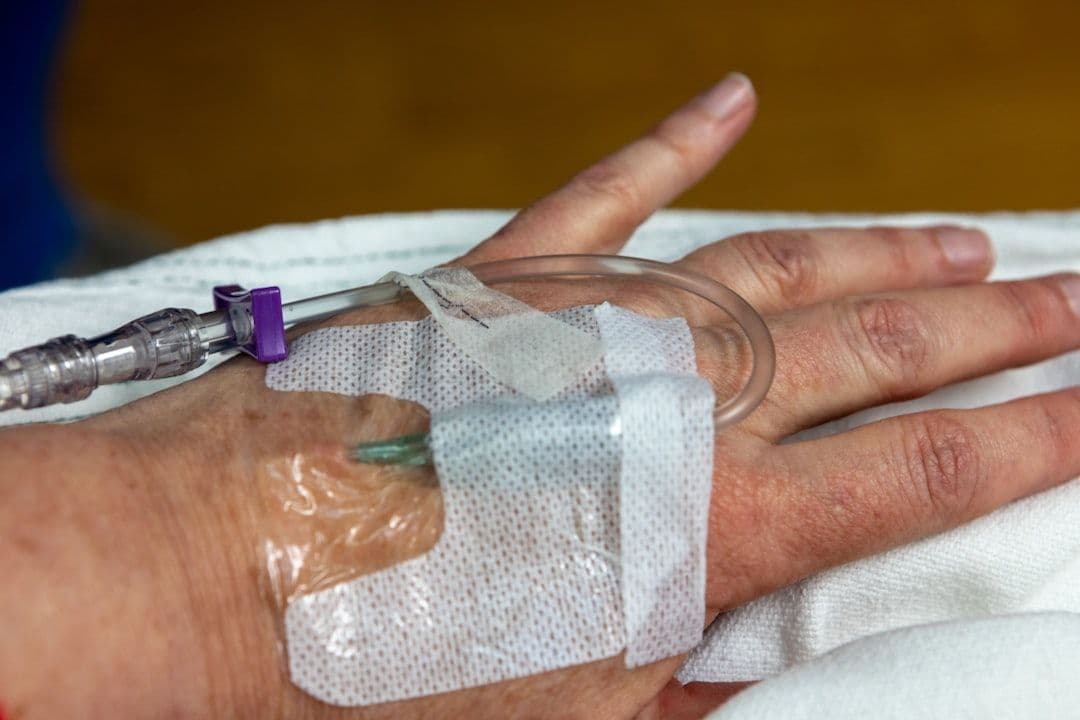
The IV insertion feels like a standard blood draw — a quick pinch followed by the slight pressure of the catheter sliding into place. Most practitioners use a small gauge needle to minimize discomfort. Once the IV is established, you'll feel the cool sensation of saline solution flowing into your vein.
The chelating agent — typically EDTA mixed with saline, vitamin C, and minerals — infuses slowly over 1-4 hours depending on your protocol. The solution feels neutral, neither warm nor particularly cool. You might notice a slight metallic taste in your mouth within the first 30 minutes, which is normal and usually fades.
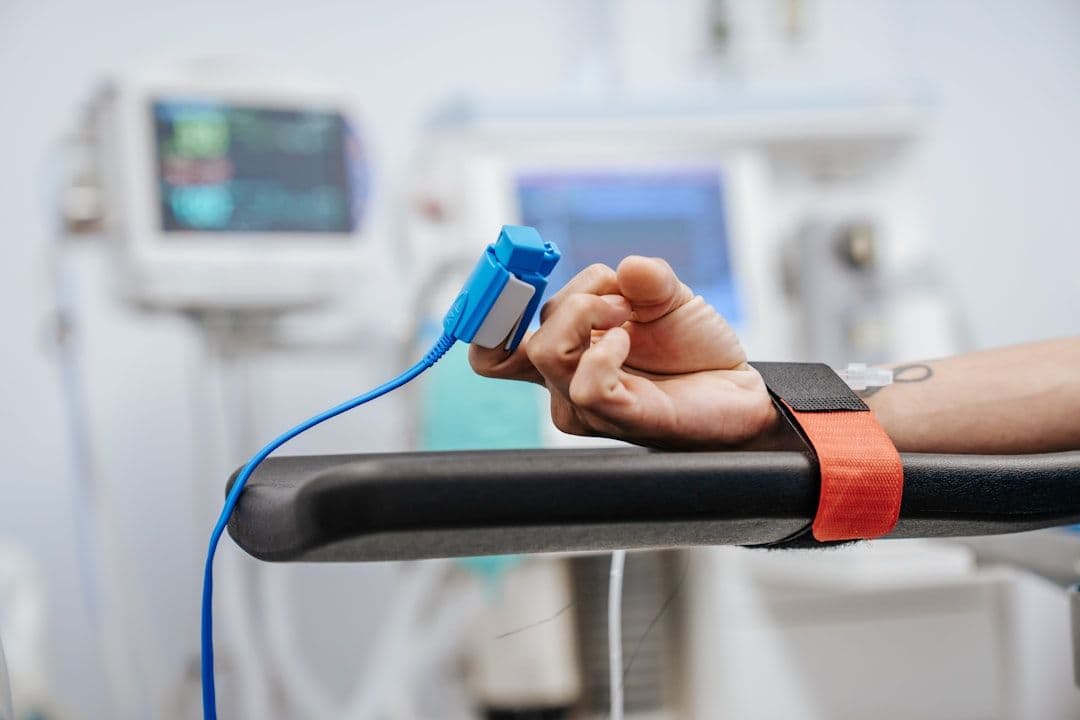
During the infusion, your practitioner will check on you regularly, monitoring your blood pressure and asking about any sensations. The treatment room is usually quiet and comfortable, designed for extended stays.
What You Might Experience
Most people feel little during the actual infusion beyond the awareness of fluid entering their system. Some experience mild fatigue or a sense of heaviness in their limbs as the session progresses. This isn't the chelating agent itself but often the body's response to the treatment process.
A minority of people develop mild nausea or headaches, particularly during their first few sessions. These symptoms typically resolve within an hour of completion. Some report feeling slightly lightheaded when standing immediately after treatment — this usually indicates you need more fluids.
In the hours following treatment, many people notice increased urination as their kidneys process and eliminate the metal complexes. The color or smell of your urine might change temporarily. Some experience mild fatigue for 24-48 hours after sessions, while others feel energized.
Emotional responses vary considerably. Some people report improved mental clarity after several sessions, while others feel temporarily more emotional or sensitive. These responses often correlate with the types and levels of metals being removed.
Post-Treatment Care
Drink plenty of water for 24 hours after your session to support kidney function and help flush the metal complexes from your system. Aim for at least 8-10 glasses unless you have heart or kidney conditions that restrict fluid intake.
Your practitioner will likely recommend mineral supplementation, as chelating agents can remove beneficial minerals alongside toxic ones. Common supplements include magnesium, zinc, and a high-quality multivitamin. Take these at least 2 hours before or after any chelating agents if you're on oral protocols.
Avoid alcohol and limit caffeine for 24 hours, as both can stress your kidneys when they're already working to process the treatment. Gentle exercise like walking is fine, but avoid intense workouts for the first day as some people experience temporary fatigue.
Contact your practitioner immediately if you develop severe nausea, persistent vomiting, difficulty urinating, or signs of allergic reaction like rash or difficulty breathing. These are uncommon but require prompt attention.
Treatment Timeline and Frequency
A typical course involves 10-30 sessions depending on your initial metal levels and how well you're responding. Most practitioners schedule treatments 1-2 times per week initially, then space them further apart as metal levels decrease.
You'll have blood tests every 5-10 treatments to monitor kidney function and mineral levels. These results help your practitioner adjust dosing and determine when to add breaks in treatment. Some people need supplemental minerals added to their protocol based on these results.
Improvement in symptoms — if that's why you're receiving treatment — typically becomes apparent after 10-15 sessions, though this varies considerably. For documented heavy metal poisoning, follow-up testing usually shows measurable decreases in metal levels within the first month.
Most people complete their intensive phase within 3-6 months, then might have occasional maintenance sessions based on ongoing exposure risk or follow-up testing results. Your practitioner will develop a tapering schedule based on your individual response and metal clearance rates.