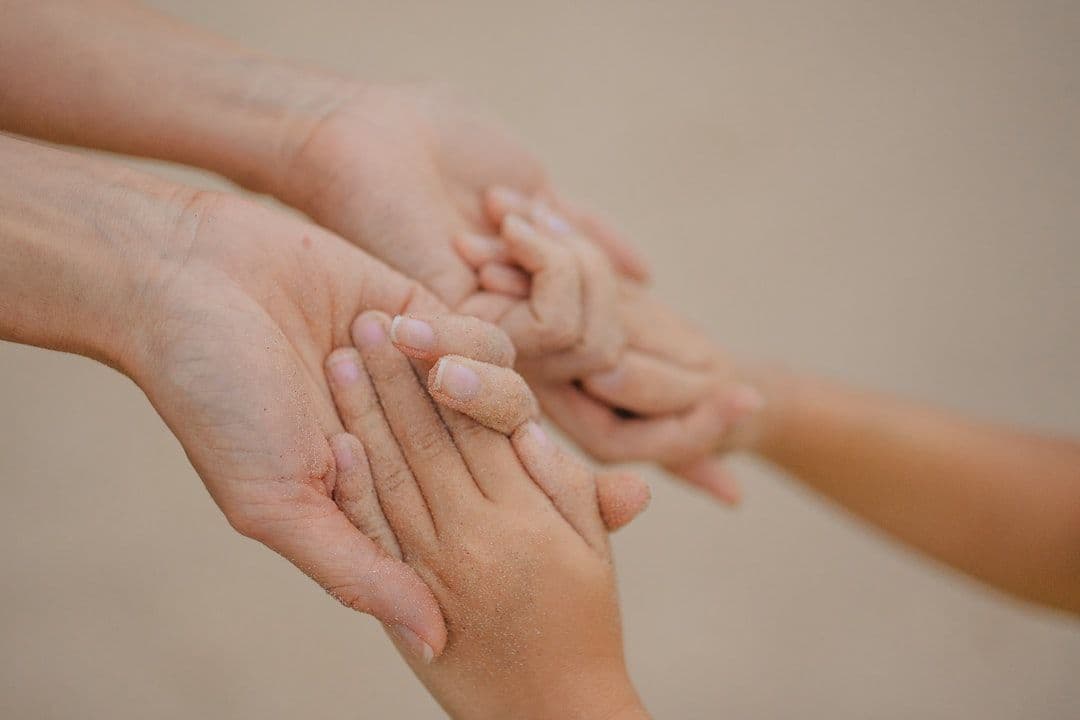
The Inherited Blueprint
Sarah notices she reacts to conflict exactly as her mother did—and her grandmother before that. The same anxious stomach knots, the same tendency to withdraw, the same unspoken resentment that builds over years. When her daughter begins showing similar patterns at age seven, Sarah wonders if some invisible thread connects them all.
Generational healing addresses precisely this phenomenon. Practitioners work with the understanding that families pass down more than genetic material and learned behaviours. They believe emotional patterns, unresolved traumas, and limiting beliefs create energetic imprints that influence descendants for generations. This isn't simply about psychology or social learning—it encompasses what practitioners describe as ancestral wounds that exist beyond individual experience.
Roots in Multiple Traditions
This healing approach draws from diverse cultural wells. Indigenous traditions worldwide have long recognised ancestral influence on present-day wellbeing. African healing practices address family spirits and generational burdens. Jewish mystical traditions speak of ancestral merit and inherited spiritual debts. Chinese medicine acknowledges constitutional patterns passed through family lines.
Contemporary generational healing synthesises these ancient understandings with modern psychology's recognition of intergenerational trauma transmission. Practitioners may integrate family constellation work, shamanic journeying, or energy healing techniques. The field has evolved to include both therapeutic dialogue about family patterns and metaphysical practices aimed at clearing ancestral influences.
The practice gained particular momentum as people began exploring their family histories through genealogy research, often discovering patterns of migration trauma, war experiences, or systemic oppression that seemed to echo in their own lives.
How Generational Patterns Transmit
Within the generational healing framework, practitioners understand transmission occurring through multiple channels. Psychological inheritance involves learned behaviours, family beliefs, and emotional responses modelled across generations. A family that learned to associate vulnerability with danger during wartime may continue teaching hypervigilance long after the threat has passed.
Practitioners also work with what they describe as energetic inheritance—the concept that emotional and spiritual patterns create lasting imprints that affect descendants. This might manifest as unexplained phobias, relationship patterns that don't match personal experience, or persistent life themes that seem to emerge from nowhere.
The healing process typically begins with mapping family patterns through detailed history-taking, exploring recurring themes across generations. Practitioners guide clients to identify what they call 'generational contracts'—unspoken family agreements about how to behave, what to expect from life, or what roles different family members should play. The work then focuses on consciously choosing which patterns to continue and which to release.
The Healing Process Unfolds
A typical generational healing session might begin with creating a family genogram—a visual map showing relationships, patterns, and significant events across multiple generations. The practitioner guides exploration of recurring themes: perhaps addiction patterns, early deaths, relationship difficulties, or financial struggles that appear across family lines.
Some practitioners incorporate somatic awareness, helping clients notice how family stories create physical sensations in their bodies. Others use visualisation techniques, inviting clients to 'meet' ancestors in guided meditations or healing ceremonies. Family constellation work might be employed, using representatives to explore family dynamics and their energetic signatures.
The healing component varies significantly between practitioners. Some focus on dialogue and conscious choice-making about which family patterns to perpetuate. Others work with what they describe as clearing ancestral energy through ceremony, prayer, or energy healing techniques. Many combine both approaches, helping clients understand family influences intellectually whilst addressing what practitioners view as energetic imprints through metaphysical means.
Sessions often include creating new 'generational contracts'—conscious decisions about what legacy the client wishes to pass forward to their own descendants.
Finding Your Generational Healer
Generational healing practitioners come from diverse backgrounds, often combining training in counselling, family therapy, or coaching with metaphysical healing modalities. Look for practitioners who clearly explain their approach and demonstrate cultural sensitivity when working with family heritage and ancestry.
Single sessions typically range from £60-150, with many practitioners recommending 3-6 sessions to fully explore generational patterns. Some offer intensive workshops or group programmes exploring family healing themes. Remote sessions via video call are common, as the work focuses primarily on dialogue and energetic practices rather than physical techniques.
Since this field lacks standardised regulation, research practitioners' backgrounds thoroughly. Seek those with relevant training in family systems work, trauma-informed practice, or recognised metaphysical healing modalities. Personal recommendations and practitioner testimonials can provide valuable insights into their approach and effectiveness.
The most important qualification may be your own resonance with their understanding of generational patterns and their ability to hold space for potentially emotional family exploration.