What Hormone Replacement Actually Involves
Picture your endocrine system as an intricate orchestra where each hormone plays its part in perfect timing. When menopause arrives, or thyroid function falters, or testosterone levels drop, key musicians go silent. Hormone replacement therapy (HRT) steps in as a conductor, introducing precisely measured hormones to restore the symphony.
Unlike taking a paracetamol for a headache, HRT requires individual calibration. Your doctor measures your current hormone levels through blood tests, assesses your symptoms, and prescribes specific hormones in exact doses. These might be oestrogen and progesterone for menopausal symptoms, levothyroxine for underactive thyroid, or testosterone for documented deficiency.
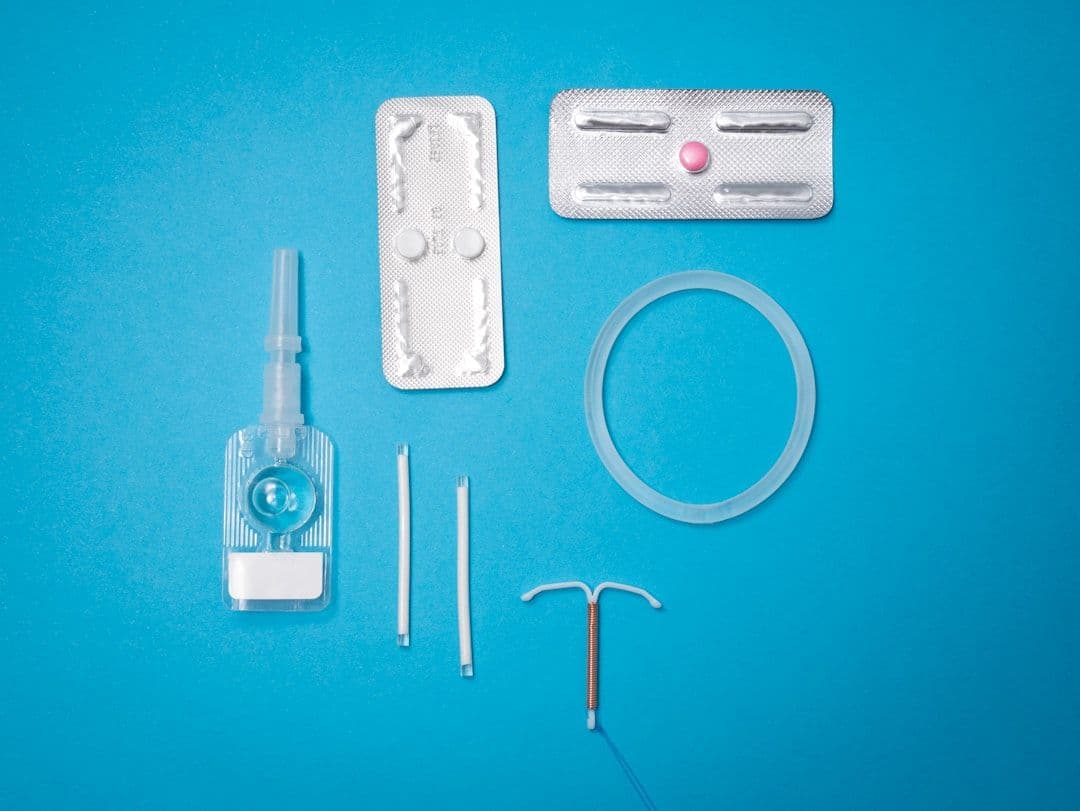
The hormones themselves come as patches applied to your skin, tablets taken daily, gels rubbed into your thigh, injections given periodically, or even slow-release implants placed under the skin. Each delivery method affects how your body absorbs and processes the hormones, allowing for personalized treatment approaches.
From Premarin to Precision Medicine
HRT emerged in the 1960s with conjugated equine oestrogens—literally hormones derived from pregnant mares' urine. Early enthusiasm led to widespread prescribing until the 2002 Women's Health Initiative study revealed increased risks of breast cancer and blood clots with certain combinations, causing many women to abandon HRT entirely.
This watershed moment transformed the field from broad-brush prescribing to individualized risk assessment. Modern HRT distinguishes between different formulations, routes of administration, and patient populations. Transdermal oestrogen carries lower blood clot risks than oral forms. Bioidentical hormones—chemically identical to those your body produces—gained prominence alongside traditional synthetic versions.
Today's approach emphasizes the lowest effective dose for the shortest necessary duration, with regular review. The pendulum has swung from blanket recommendations against HRT to nuanced, patient-centered decision-making based on individual symptoms, risk factors, and quality of life considerations.
How Hormones Restore Cellular Communication
Hormones function as your body's chemical messengers, traveling through your bloodstream to deliver specific instructions to cells throughout your body. When you take replacement hormones, they bind to specialized receptors in your cells, triggering the same biological responses as your naturally produced hormones would.
Oestrogen, for instance, activates receptors in your bones, brain, cardiovascular system, and reproductive tissues. This explains why oestrogen deficiency during menopause can simultaneously cause hot flushes, mood changes, bone thinning, and vaginal dryness—and why replacement oestrogen can address all these symptoms through restored cellular signalling.
The route of administration significantly affects this process. Oral hormones pass through your liver first, potentially triggering production of clotting factors. Transdermal delivery bypasses this 'first-pass' liver metabolism, often providing more stable hormone levels with fewer systemic effects. Your practitioner considers these pharmacological differences when selecting your optimal treatment approach.
Who Benefits from Hormonal Support
Women experiencing debilitating menopausal symptoms represent HRT's most established use case. If hot flushes disrupt your sleep, mood swings affect your relationships, or brain fog impacts your work performance, HRT often provides dramatic relief. The therapy particularly helps those under 60 or within ten years of menopause, when cardiovascular risks remain low.
Thyroid hormone replacement serves people with hypothyroidism, where symptoms like crushing fatigue, weight gain, hair loss, and depression respond well to levothyroxine treatment. Unlike menopausal HRT, thyroid replacement typically continues lifelong once started.
Testosterone replacement helps men with clinically low levels experiencing decreased energy, muscle mass, libido, and mood. However, this requires careful evaluation as symptoms can stem from various causes, and testosterone therapy carries specific risks including sleep apnoea worsening and prostate concerns.
What to Expect from Treatment
Your HRT journey begins with comprehensive assessment including detailed symptom discussion, medical history review, and blood tests measuring current hormone levels. Your doctor evaluates your individual risk factors for blood clots, breast cancer, stroke, and other potential complications before recommending specific formulations.
Once treatment starts, expect gradual improvement rather than immediate transformation. Menopausal symptoms may begin improving within weeks, though optimal benefits often emerge over 2-3 months. Your practitioner schedules regular follow-up appointments to monitor your response, adjust dosing, and check for side effects.
Ongoing management involves annual reviews at minimum, with breast screening, blood pressure monitoring, and periodic blood tests to ensure hormone levels remain appropriate. Some women need dose adjustments as they age or their circumstances change. The goal remains using the lowest effective dose to maintain symptom relief while minimizing long-term risks.
The Clinical Evidence Behind HRT
The Women's Health Initiative study, despite its limitations, remains HRT's most influential research. This massive randomised controlled trial of over 160,000 women clarified that risks and benefits vary significantly based on age, timing of initiation, and specific formulations used. Women starting HRT within ten years of menopause showed cardiovascular protection, while those starting later faced increased risks.
Recent meta-analyses consistently demonstrate HRT's effectiveness for menopausal symptoms, with significant reductions in hot flush frequency and severity. The 2015 NICE guidelines strongly endorse HRT as first-line treatment for menopausal symptoms, acknowledging that benefits typically outweigh risks for most women under 60.
For thyroid replacement, evidence spans decades of clinical use with clear benefit-risk profiles. Testosterone replacement therapy has robust evidence for men with documented hypogonadism, though guidelines emphasize confirming true deficiency rather than age-related decline alone.
Accessing Professional HRT Care
HRT requires prescription from qualified medical practitioners—typically your GP, gynecologist, or endocrinologist. Specialist menopause clinics, increasingly available across the UK, offer particular expertise in complex cases or when standard approaches haven't succeeded. Private consultations typically range from £150-400 initially, with follow-ups costing £100-200.
When choosing a practitioner, seek those with specific hormone expertise rather than general practitioners alone. Look for membership in organizations like the British Menopause Society or specialist training in hormone management. Ask about their experience with different formulations and delivery methods.
Ongoing costs include the medications themselves—prescription charges apply in England, while Scotland, Wales, and Northern Ireland provide free prescriptions. Private prescriptions for bioidentical formulations or unlicensed preparations typically cost £30-100 monthly. Factor in regular monitoring appointments and annual reviews when budgeting for long-term treatment.