Preparing for Your Session
Wear comfortable clothing that allows you to relax fully — you'll spend the entire session seated or occasionally lying down if working with active imagination. Bring a notebook dedicated to recording dreams, as your therapist will likely ask about recent dream activity. Many practitioners suggest keeping this journal by your bedside and writing down whatever fragments you remember immediately upon waking.
Avoid alcohol the night before, as it can suppress REM sleep and reduce dream recall. Some people find it helpful to set an intention before sleep to remember their dreams more vividly. Arrive with an open mind rather than a specific agenda — Jungian work follows the psyche's natural unfolding rather than predetermined treatment goals.
What Happens During the Session
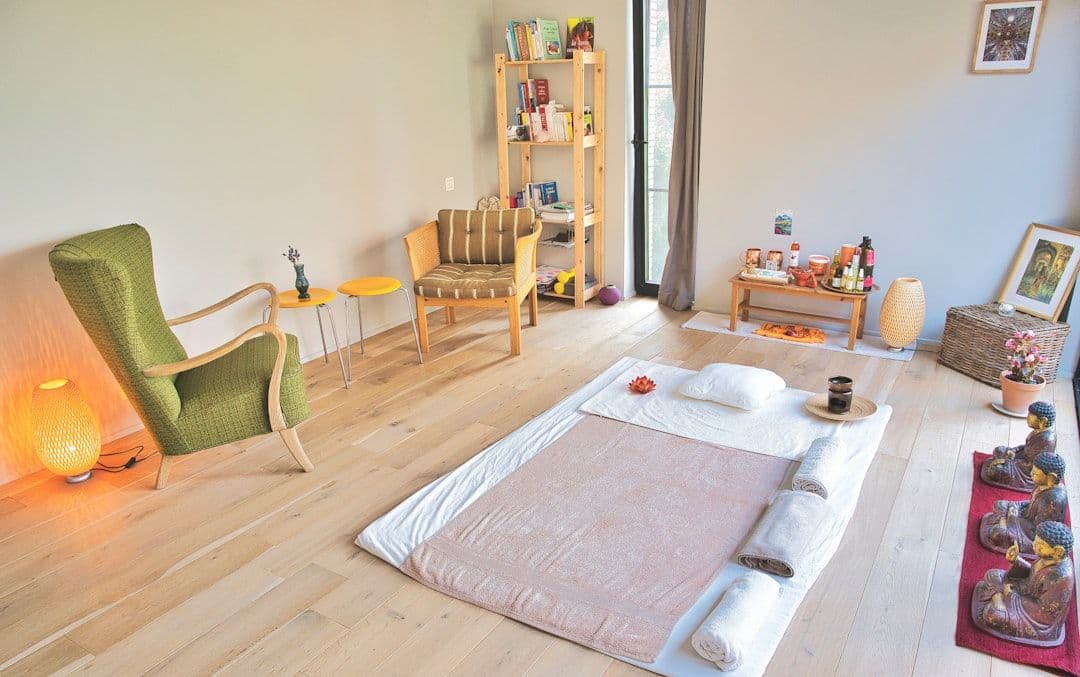
Your therapist will likely begin by asking about recent dreams, even if you think you haven't had any. Don't worry if you can't remember complete narratives — fragments, emotions, or single images all provide valuable material. The room itself often reflects Jungian sensibilities: you might notice artwork, symbols, or objects that evoke a sense of depth and contemplation.
Mid-session, you may engage in active imagination — a technique where you consciously enter a waking dream state to dialogue with figures or symbols from your unconscious. Your therapist might guide you to close your eyes and allow an image to emerge, then describe what you see and feel. This isn't hypnosis; you remain fully aware and in control.
The final portion often involves reflection on patterns and themes. Your therapist may draw connections between your dreams, daily experiences, and archetypal material. Sessions typically run exactly 50 minutes, with the therapeutic relationship itself becoming part of the analytical process.
What You Might Experience
During active imagination, many people report vivid internal imagery accompanied by strong emotions. You might feel as though you're watching a film unfold in your mind, or sense the presence of figures who seem to have their own voice and agenda. Some experience physical sensations — warmth, tingling, or a sense of energy moving through the body.
After sessions, it's common to feel emotionally stirred or contemplative. Dreams often become more vivid and memorable as you begin paying closer attention to unconscious material. Some people experience what Jungians call "emergence" — sudden insights or realisations that seem to arrive fully formed.
Not everyone resonates with symbolic work immediately. If active imagination feels forced or artificial at first, that's entirely normal. The psyche reveals itself at its own pace, and some people connect more readily with dream analysis or examining life patterns.
After Your Session
Plan for quiet time after your appointment rather than rushing back into demanding activities. The material that emerges can continue processing beneath conscious awareness. Many people find it helpful to take a gentle walk or sit somewhere peaceful rather than immediately engaging with screens or complex tasks.
Record any insights, images, or emotions that arise in the hours following your session. Dreams that night may be particularly significant, as the analytical work often continues while you sleep. Avoid making major life decisions immediately after sessions, especially during the early stages of analysis when unconscious material is first surfacing.
Some people experience temporary emotional intensity or confusion as previously unconscious patterns become conscious. This is often a natural part of the individuation process, but discuss any concerning reactions with your therapist.
The Longer Journey
Jungian analysis typically unfolds over months or years rather than weeks. Initial sessions focus on establishing the therapeutic relationship and beginning to map your personal symbolic language. The middle phase involves deeper exploration of shadow material and archetypal patterns, whilst the later stages work toward integration and individuation.
Most people attend weekly sessions initially, though frequency may vary based on your needs and the intensity of material emerging. Some practitioners recommend twice-weekly sessions during particularly rich periods of analytical work. Unlike brief therapies focused on specific symptoms, Jungian work continues until you feel you've achieved meaningful psychological development.
The process rarely follows a linear path. Expect periods of insight alternating with phases that feel less productive. Jungian therapists view this ebb and flow as natural — the unconscious revealing itself according to its own wisdom rather than conscious timelines.