What Licensed Midwifery Actually Involves
Picture this: at 2 a.m., when contractions strengthen, the person attending your birth already knows your birth preferences, your partner's name, and how you cope with intensity. This isn't chance—it's the hallmark of midwifery-led care.
Licensed midwives are regulated healthcare professionals trained specifically in the physiology of normal pregnancy and birth. Unlike obstetricians, who specialize in pathology and complications, midwives focus on supporting the natural processes while monitoring for deviations that require medical intervention. They're authorised to prescribe medications, perform examinations, and make clinical decisions within their scope of practice.
In the UK, midwives must be registered with the Nursing and Midwifery Council (NMC) and complete ongoing professional development. They work in NHS hospitals, birth centers, and increasingly in independent practice offering home birth services. This isn't alternative care—it's mainstream healthcare delivered through a different model.
The Evolution of Professional Midwifery
Modern midwifery represents a fascinating intersection of ancient wisdom and contemporary clinical science. Whilst women have always supported other women in childbirth, professional midwifery emerged in the late 19th century with formal training programs and regulatory frameworks.
The Midwives Act 1902 first established statutory regulation in England, creating professional standards that continue to evolve. The 1960s saw midwifery nearly absorbed into nursing, but the profession fought to maintain its distinct identity and scope of practice. Today's licensed midwives complete three-year degree programs or 18-month postgraduate courses, studying physiology, pharmacology, and emergency procedures alongside relationship-based care principles.
This evolution reflects growing recognition that birth is typically a normal physiological process requiring skilled monitoring rather than medical management. Countries with strong midwifery models—like the Netherlands and New Zealand—consistently show better maternal outcomes than those relying primarily on obstetric care for low-risk pregnancies.
How Midwifery-Led Care Works
The midwifery model operates on several key principles: continuity of carer, informed choice, and physiological birth support. Rather than seeing different professionals at each appointment, you typically build a relationship with one midwife or small team who will attend your birth.
During pregnancy, midwives conduct routine examinations, order necessary tests, and provide education about pregnancy, birth, and newborn care. They're trained to recognize warning signs requiring medical consultation—conditions like pre-eclampsia, gestational diabetes, or intrauterine growth restriction prompt immediate collaboration with obstetricians.
The physiological approach means supporting your body's natural labor processes rather than routinely intervening. Midwives use positioning, movement, and comfort measures to facilitate progress. They monitor both you and your baby continuously but avoid unnecessary procedures. When intervention becomes necessary, they facilitate transfer to obstetric care while maintaining their supportive role.
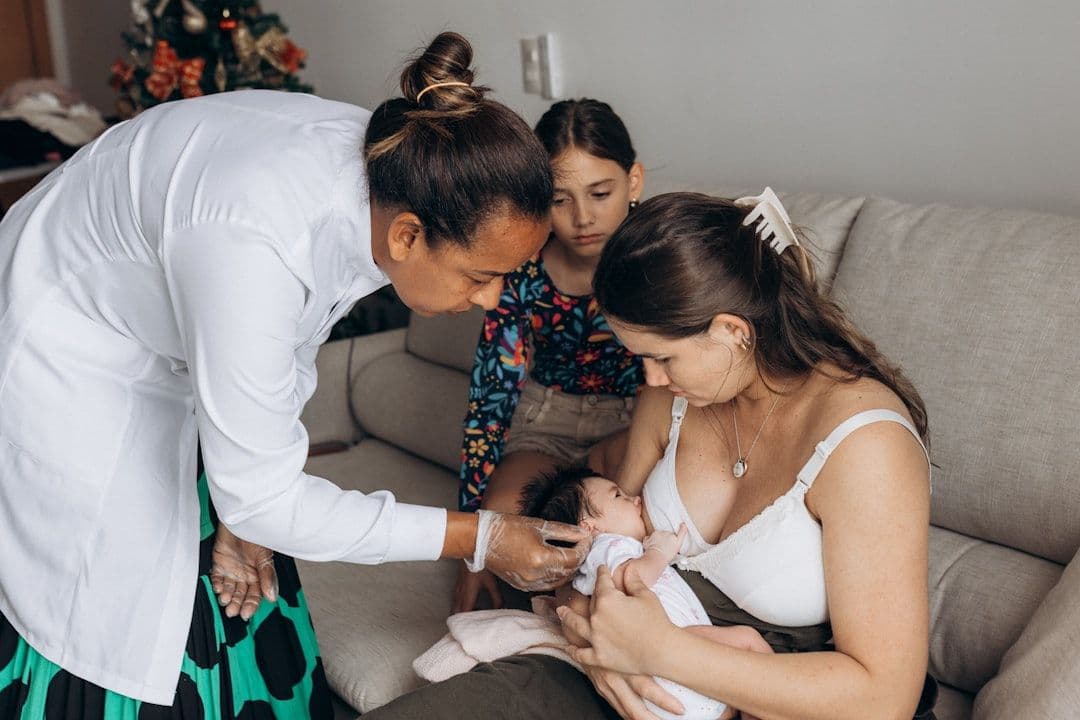
Postnatally, midwives provide ongoing care for both mother and baby, supporting breastfeeding establishment, monitoring recovery, and identifying any complications requiring medical attention.
Who Benefits Most from Midwifery Care
Licensed midwives are most appropriate for women experiencing low-risk pregnancies. This includes first-time mothers over 35, women with previous uncomplicated births, and those with well-controlled chronic conditions like mild asthma or hypothyroidism—provided these don't affect pregnancy.
Women seeking greater autonomy in birth decisions often gravitate towards midwifery care. If you want to discuss pain relief options without assumption, explore different birth positions, or make informed decisions about routine procedures, the midwifery consultation model supports this approach.
Those planning home births or birth center deliveries specifically need midwifery care, as these settings operate under midwifery-led models. However, many women choose midwifery care for hospital births too, appreciating the continuity and personalized attention even within medical settings.
Families from certain cultural backgrounds may find midwives more attuned to their specific needs and traditions around birth, as midwifery education increasingly emphasizes cultural competency alongside clinical skills.
What to Expect During Midwifery Care
Initial appointments typically last 45-60 minutes—considerably longer than standard obstetric consultations. Your midwife will take a comprehensive health history, discuss your preferences and concerns, and begin building the relationship that will carry through your birth experience.
Routine antenatal appointments follow NHS guidelines but feel distinctly different. Examinations are thorough but unhurried. Discussions cover not just physical health but emotional wellbeing, birth preferences, and any anxieties. Many midwives incorporate partner involvement naturally rather than as an afterthought.
During labor, whether at home, in a birth center, or hospital, your known midwife provides one-to-one care throughout. They monitor your baby's wellbeing, support you through contractions, and make clinical assessments about labor progress. If complications arise requiring obstetric intervention, they facilitate transfer while remaining your advocate and support.
Postnatal visits occur in your home, typically daily for the first week then less frequently until discharge around day 10. These visits assess both your recovery and your baby's wellbeing, provide breastfeeding support, and ensure you feel confident caring for your newborn.
The Evidence Base for Midwifery-Led Care
The research supporting midwifery-led care is exceptionally robust. The 2016 Cochrane review of 15 trials involving over 17,000 women found that midwifery-led continuity models reduced the likelihood of episiotomy, instrumental delivery, and regional anesthesia while increasing the likelihood of spontaneous vaginal birth and breastfeeding success.
Women in midwifery-led care were more likely to feel in control during labor and expressed higher satisfaction with their birth experience. Importantly, there were no differences in overall maternal or neonatal mortality, indicating equivalent safety for appropriate candidates.
The landmark Birthplace study, following nearly 65,000 births in England, demonstrated that planned home births with midwives for low-risk multiparous women showed no increase in adverse outcomes while significantly reducing intervention rates. For first-time mothers, home birth carried slightly increased risks but still maintained safety within acceptable parameters.
More recent research from countries with strong midwifery models consistently shows better outcomes. The Netherlands, where midwifery care is standard for low-risk pregnancies, has lower caesarean rates and higher maternal satisfaction scores than countries relying primarily on obstetric models.
Finding and Working with Licensed Midwives
NHS midwifery care is available to all pregnant women in the UK, though continuity models vary by area. Some regions offer excellent caseload midwifery schemes where you see the same midwife throughout pregnancy and birth. Others still operate team models with less continuity.
Independent midwives charge $3,000-$6,000 for complete care including birth attendance. This covers all antenatal appointments, birth attendance regardless of duration, and postnatal care. Many offer payment plans to spread costs across pregnancy. Some areas have independent midwifery group practices that work with NHS trusts, providing continuity within the NHS system.
When choosing any midwife, verify their NMC registration and current practicing certificate. Ask about their experience with situations similar to yours, their collaboration arrangements with local hospitals, and their emergency protocols. Independent midwives should carry professional indemnity insurance and demonstrate clear pathways for obstetric consultation when needed.
Most importantly, ensure you feel comfortable with their communication style and philosophy. The relationship you build will significantly influence your birth experience, so personality and approach matter as much as clinical competence.