Preparing for Your Session
Arrive wearing comfortable, loose-fitting clothing in natural fabrics. You'll likely be lying down or sitting in meditation for extended periods, so prioritise comfort over appearance. Avoid heavy meals for two hours beforehand, though light snacks are fine if you feel hungry.
Bring a water bottle and perhaps a small notebook if you enjoy capturing insights. Many practitioners suggest setting a clear intention before arriving—what would you like to explore or address during this session? This might be physical discomfort, emotional stress, or simply a desire to deepen your connection with your body's wisdom.
Avoid alcohol or recreational substances for 24 hours prior, as practitioners believe these can interfere with your ability to sense subtle energetic shifts. If you take regular medications, continue as normal. Some people find it helpful to spend a few quiet moments before entering, releasing expectations about what should happen.
The Session Experience
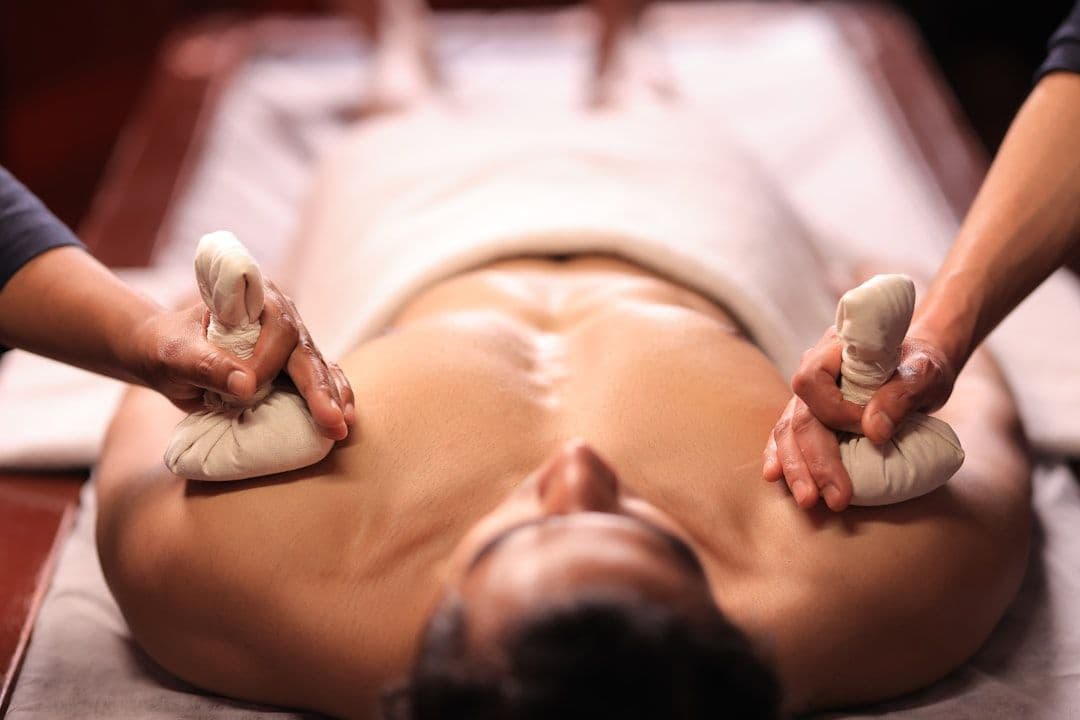
Sessions typically begin with a brief conversation about your intentions and any areas of concern. Your practitioner will explain the approach they use—this might emphasise chakra balancing, somatic awareness, or energy direction through visualisation. You'll usually lie on a comfortable surface, fully clothed, though some sessions involve seated meditation.
The core work often starts with guided breathing exercises to help you settle into a receptive state. Your practitioner may lead you through body scanning techniques, asking you to notice sensations, tension, or areas that feel different. This phase typically lasts 10-15 minutes and helps establish the mind-body connection that forms the foundation of self-healing practice.
The main portion involves directed attention toward specific areas through visualisation, intention-setting, or energy-focused meditation. You might be guided to imagine healing light, warmth, or colour flowing to areas that need support. Some practitioners incorporate gentle touch or positioning of hands near the body, whilst others work purely through guided imagery. This central phase usually spans 30-45 minutes.
Sessions conclude with grounding exercises—techniques to help you feel centred and present before returning to daily activities. Your practitioner will typically ask about your experience and may suggest simple practices to continue at home.
What You Might Experience
Physical sensations vary enormously between individuals. Many people report feelings of warmth, tingling, or gentle pulsing in areas receiving focused attention. Others experience deep relaxation similar to meditation, occasionally accompanied by involuntary muscle releases or subtle movement. Some notice changes in breathing patterns or heart rate as they settle into deeper states of awareness.
Emotionally, you might encounter unexpected feelings surfacing—this could range from peaceful contentment to temporary emotional release. Practitioners view this as natural processing, part of the body's way of releasing held stress or trauma. Visual experiences during meditation phases are common—some people see colours, patterns, or symbolic imagery that feels meaningful to their healing process.
Not everyone experiences dramatic sensations during their first session. Some describe feeling 'different' afterwards without being able to articulate specifics—perhaps calmer, more grounded, or simply more aware of their body. Scepticism or analytical thinking during the session is entirely normal and doesn't prevent beneficial outcomes.
In the hours following, you might notice shifts in sleep patterns, temporary fatigue as your system integrates the experience, or heightened sensitivity to your body's signals. These effects typically settle within 24-48 hours.
Aftercare and Integration
Drink plenty of water for the remainder of the day—practitioners believe this supports the body's natural detoxification processes. Avoid alcohol and intense physical exercise for 24 hours, allowing your system to integrate whatever shifts occurred during the session. Gentle movement like walking or stretching is beneficial.
Many people find journaling helpful for capturing insights or unusual experiences whilst they remain fresh. Pay attention to dreams over the following nights, as some practitioners suggest these may contain relevant imagery or messages. If emotions surface over the next few days, allow them space rather than pushing them away.
Practice any simple techniques your practitioner suggested—these might include specific breathing patterns, visualisations, or brief self-scanning exercises. Regular home practice often proves more valuable than the sessions themselves for developing ongoing self-healing capacity.
Schedule your next appointment before you leave if you're planning a series. Most practitioners recommend initial sessions be spaced 1-2 weeks apart to allow integration time between sessions.
Building Your Practice
Most people begin with 4-6 sessions to establish familiarity with the techniques and develop basic skills in recognising their body's subtle signals. Initial benefits—improved sleep, reduced stress response, greater bodily awareness—often emerge within the first few sessions, though these may be subtle.
Longer-term practitioners typically transition to monthly sessions combined with regular home practice. The goal shifts from receiving healing to developing autonomous healing skills. Some people find 8-12 sessions sufficient to establish a solid foundation, whilst others prefer ongoing periodic support.
Your practitioner will adjust the approach based on your responses and developing abilities. Later sessions might focus more on teaching advanced techniques than providing direct guidance, gradually transferring responsibility for the healing process to you.
Consider this modality most beneficial when viewed as skill development rather than passive treatment. The true value lies in cultivating ongoing relationship with your body's wisdom and developing confidence in your innate capacity for self-regulation and healing.