What Spiritual Growth Actually Involves
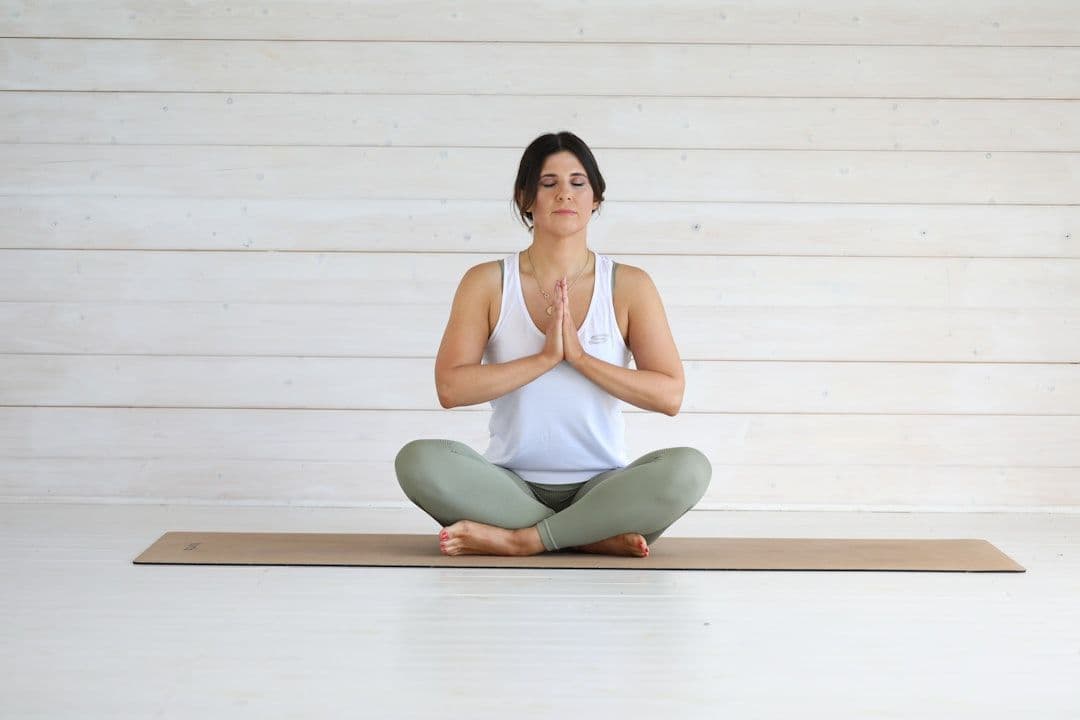
Picture someone sitting quietly each morning, writing in a journal about their dreams and intentions, then spending twenty minutes in meditation or prayer. Later, they meet weekly with a spiritual director to discuss what they're discovering about themselves and their sense of purpose. This exemplifies spiritual growth in practice—not a single technique, but a framework for personal evolution that weaves together contemplative practices, reflective inquiry, and guided exploration.
Unlike purely psychological approaches that focus primarily on symptom relief or behavioural change, spiritual growth addresses what practitioners call the "whole person"—mental patterns, emotional responses, physical awareness, and the search for meaning that transcends immediate circumstances. The work involves developing practices that cultivate self-awareness whilst fostering connection to something beyond individual concerns, whether understood as inner wisdom, natural cycles, community purpose, or transcendent reality.
The process typically unfolds gradually through regular engagement with specific practices rather than dramatic revelations or sudden transformations. Practitioners report shifts in how they respond to challenges, increased clarity about personal values, and a growing sense of alignment between their daily choices and deeper convictions.
Roots in Universal Human Experience
Spiritual growth draws from humanity's diverse wisdom traditions—contemplative Christianity, Buddhist mindfulness, Jewish mysticism, Islamic sufism, indigenous ceremonial practices, and secular philosophical frameworks. Rather than belonging to any single culture, it represents a synthesis of approaches to the perennial human questions: Who am I? Why am I here? How shall I live?
Contemporary spiritual growth emerged in the late 20th century as increasing numbers of people sought personal meaning outside traditional institutional religion whilst remaining open to wisdom from various sources. This development paralleled growing interest in psychology, Eastern philosophy, and indigenous practices in Western contexts.
Today's spiritual growth practitioners often blend ancient contemplative techniques with modern insights about human development, creating personalised approaches that honour both traditional wisdom and contemporary understanding of how people actually change and grow.
How the Process Works
Within spiritual growth frameworks, personal evolution occurs through the integration of insight and practice. Structured activities—meditation, contemplative reading, journaling, prayer, or mindful movement—create space for reflection and self-observation. This reflective awareness then informs how someone engages with daily life, relationships, and decisions.
Practitioners understand this as working with multiple dimensions simultaneously. Mental practices develop clarity and discernment. Emotional work increases resilience and compassion. Physical awareness connects someone to embodied experience. Spiritual exploration addresses questions of meaning and transcendence. The interplay between these dimensions is considered essential—purely intellectual understanding without emotional integration or practical application is seen as incomplete.
From perspectives that include biomedical understanding, these practices may work by strengthening neural pathways associated with self-regulation, developing interoceptive awareness, and providing structured frameworks for making sense of complex life experiences. The social support inherent in guided spiritual growth may also contribute to resilience and wellbeing through community connection.
Who Might Find This Approach Helpful
Spiritual growth particularly appeals to people navigating significant life transitions—career changes, relationship shifts, loss of loved ones, or the natural questioning that often emerges in midlife. Those feeling disconnected from their authentic values or experiencing what might be called "spiritual emptiness" despite material success often find these frameworks provide missing dimensions to their personal development.
Individuals dealing with existential questions—wondering about their purpose, feeling overwhelmed by global challenges, or seeking resilience beyond conventional self-help approaches—may discover that spiritual growth addresses concerns that purely secular methods don't reach. People recovering from trauma or addiction sometimes find that including spiritual dimensions supports their healing in ways that complement other therapeutic work.
The approach also attracts those who appreciate structure and guidance in their inner development but prefer personalised exploration to prescribed doctrine. This includes people leaving organised religion who still value spiritual inquiry, as well as those seeking to deepen existing faith through contemplative practice.
What to Expect in Practice
Spiritual growth typically begins with an initial conversation between you and a practitioner to explore your particular interests, current challenges, and spiritual background. This isn't about assessment or diagnosis, but rather understanding what kind of support would be most helpful for your individual exploration.
Ongoing work usually combines regular practices you do independently with periodic guidance sessions. Your home practice might include daily meditation, weekly journaling with specific prompts, contemplative reading, or mindful attention to particular aspects of daily life. The specific practices depend on your temperament, schedule, and spiritual inclinations.
Guidance sessions—whether individual or in small groups—provide space to discuss what you're discovering, work through challenges, and adjust practices as needed. These conversations often explore patterns you're noticing in yourself, how spiritual insights connect to practical decisions, and what practices are proving most beneficial for your particular path.
Progress is measured through your own sense of increased self-awareness, clearer alignment between values and actions, and growing resilience in facing life's inevitable challenges. The timeline varies greatly—some people report meaningful shifts within weeks, whilst deeper integration typically unfolds over months or years of sustained practice.
Practical Considerations for Getting Started
Spiritual growth guidance costs vary considerably depending on practitioner credentials and session format. Individual sessions with experienced spiritual directors range from £40–100 per session, typically meeting monthly or bi-weekly. Group programmes cost £20–60 per session, whilst intensive workshops or retreats range from £100–500 for weekend experiences.
Most people benefit from initial weekly or bi-weekly guidance whilst establishing practices, then transition to monthly sessions for ongoing support. The personal practice component requires daily time commitment—typically 15–30 minutes initially, though this can be adapted to your schedule.
Qualified practitioners may hold credentials through the Spiritual Directors International, have training in contemplative traditions, or combine spiritual guidance with counselling qualifications from BACP or UKCP. Look for practitioners who respect diverse spiritual perspectives, emphasise personal discernment over prescribed answers, and maintain clear boundaries between spiritual guidance and therapy.
When choosing a practitioner, consider their particular background and whether it resonates with your interests—some work primarily within Christian contemplative traditions, others integrate Buddhist mindfulness, and many offer secular approaches to spiritual development. Most offer initial consultations to explore whether their approach suits your needs.