What It Is
Spinal cord injury disrupts signals between brain and body, affecting movement, sensation, and organ function
Rebuilding strength and possibility after spinal cord injury
At a glance
What It Is
Spinal cord injury disrupts signals between brain and body, affecting movement, sensation, and organ function
How It Presents
Paralysis, altered sensation, muscle spasms, chronic pain, and bladder or bowel changes are common
What May Help
Physiotherapy, hydrotherapy, mindfulness, nutrition, and peer support are widely explored in rehabilitation
Evidence Context
Strong evidence supports multidisciplinary rehabilitation; complementary approaches show emerging but promising support
See the evidence snapshotWhen to Seek Help
Sudden new weakness, breathing changes, or signs of autonomic dysreflexia require immediate medical attention
Explanation
Spinal cord injury causes varying degrees of motor, sensory, and autonomic impairment depending on injury level and severity. Holistic rehabilitation — including physiotherapy, hydrotherapy, mindfulness, nutritional support, and psychological care — complements specialist neurological rehabilitation.
Could this be you
Spinal cord injury shows up differently for everyone. Browse by how it tends to be felt — these are common experiences, not a checklist or a diagnosis.
Common experiences people describe — not a diagnostic checklist.
Why it happens
Spinal cord injury usually comes from a mix of factors rather than a single cause. These are common contributors — not certainties.
Traumatic impact, vascular disruption, and neuroinflammation all contribute to spinal cord damage and its severity.
Chronic stress after injury may worsen neuroinflammation and slow adaptation to physical changes.
Pre-existing conditions like osteoporosis or diabetes may increase injury risk or complicate recovery.
Poor sleep is common after spinal cord injury and may worsen pain, spasticity, and overall wellbeing.
What happens in the body
Spinal cord injury can involve several of the body’s systems. These are common patterns researchers describe — how they show up varies from person to person.
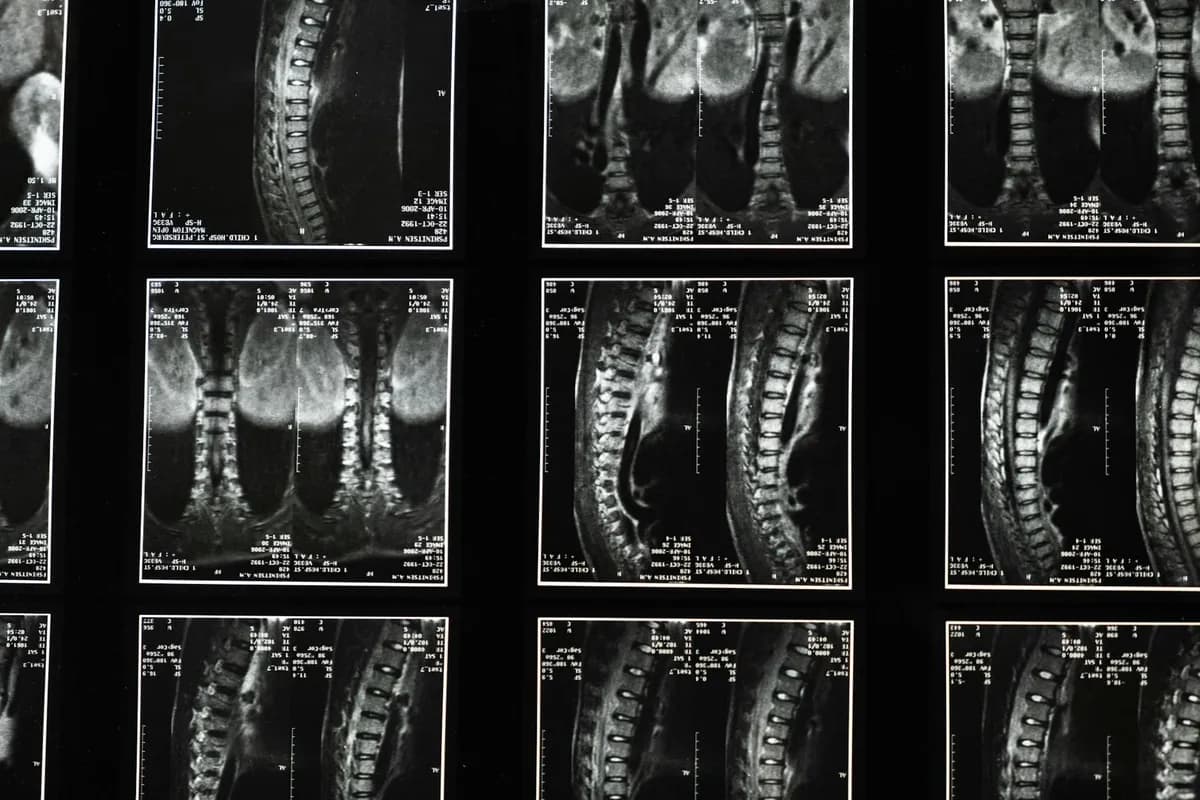
Damage to spinal cord tissue may disrupt the transmission of motor and sensory signals between the brain and body below the injury site.
Reduced or absent nerve signaling to muscles below the injury level may lead to weakness, paralysis, spasticity, or progressive muscle atrophy over time.
Disruption to autonomic nerve pathways may impair regulation of blood pressure, heart rate, bladder, bowel, and temperature control depending on injury level.
Sudden loss of physical function and independence may contribute to grief, identity disruption, and elevated risk of depression and anxiety following injury.
Process
Management
Structured hospital-based rehab combining physical, occupational, and speech therapy is the standard of care following acute spinal cord injury and may support recovery of function and independence.
A doctor may discuss medications such as baclofen for muscle spasms, gabapentinoids for neuropathic pain, or anticholinergics for bladder control — tailored to the individual's injury level and symptoms.
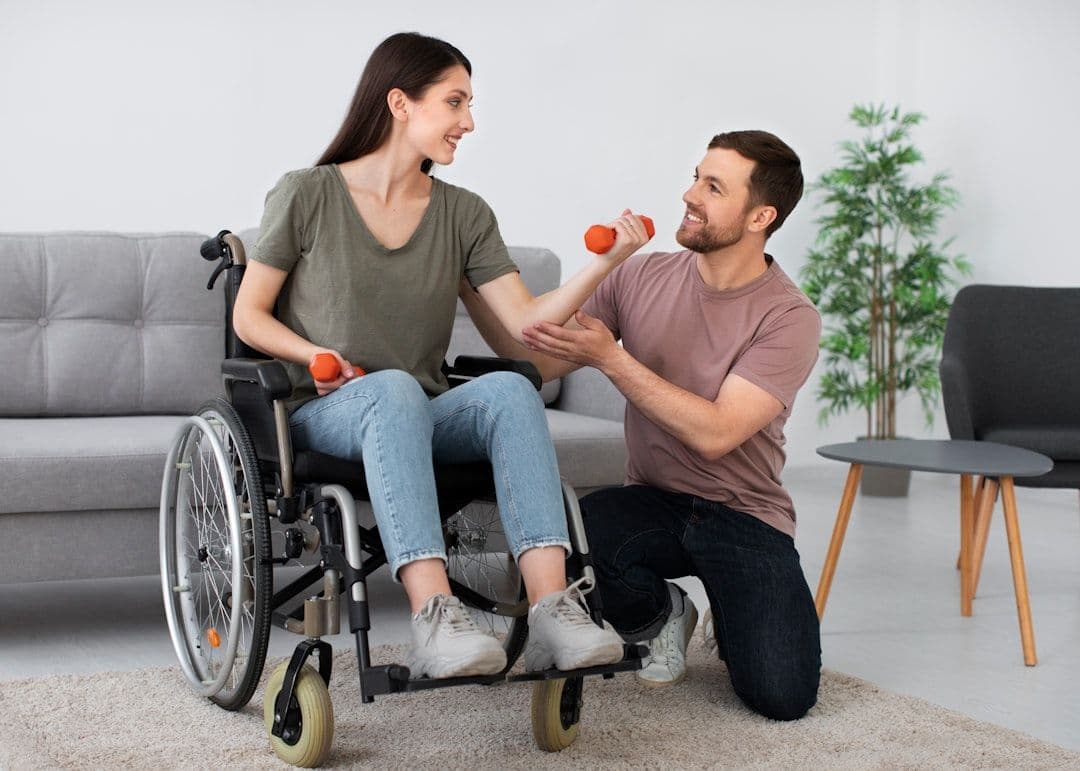
Occupational therapy may support people in relearning daily tasks, adapting their environment, and building functional independence after spinal cord injury.
Wheelchairs, exoskeletons, adaptive devices, and voice-controlled tools are commonly used to support mobility, communication, and daily function based on the level of injury.
Some people find that mindfulness practices, cognitive behavioral therapy, or peer support groups may help with chronic pain, grief, and adjustment to life after spinal cord injury.
Self-Care
Structured schedules for meals, movement, and rest may support nervous system regulation and help reduce fatigue, which is common after spinal cord injury.
Adaptive exercise such as seated stretching or aquatic therapy may support circulation, reduce muscle spasms, and help maintain functional strength.
Consistent sleep timing and a cool, quiet environment may support neurological recovery and help manage pain sensitivity following spinal cord injury.
Some practitioners suggest diets rich in vegetables, omega-3 fats, and adequate protein may support tissue health and help manage inflammation.
Mindfulness, guided breathing, or relaxation techniques may help manage chronic pain and emotional stress that often accompany spinal cord injury.
The Evidence
What research and clinical practice say about spinal cord injury rehabilitation and complementary support.
Medical rehabilitation is the foundation of SCI care
Spinal cord injury is managed through specialist neurological and rehabilitation medicine, with strong evidence for structured physical therapy and multidisciplinary care. Complementary approaches show emerging evidence for supporting quality of life alongside conventional rehabilitation.
Structured physiotherapy, occupational therapy, and specialist neurological rehabilitation have moderate to strong evidence for supporting functional recovery and independence. Complementary approaches such as acupuncture, mindfulness, and hydrotherapy have emerging evidence for symptom management and wellbeing, but should be considered supportive rather than primary interventions.
Sudden new paralysis, loss of bladder or bowel control, difficulty breathing, or severe neck and back pain following trauma require emergency evaluation without delay. Worsening weakness, numbness, or signs of autonomic dysreflexia — such as sudden severe headache or flushing — also warrant urgent medical attention. Never stop neurological medications without professional guidance.
Management typically involves neurologists, rehabilitation physicians, physiotherapists, occupational therapists, and psychologists working together. The level and completeness of injury shapes the rehabilitation pathway significantly. Ongoing monitoring for secondary complications — including pressure injuries, respiratory issues, and autonomic dysfunction — is an important part of long-term care.
Hydrotherapy, mindfulness, and acupuncture are among the most commonly explored complementary approaches in spinal cord injury. Evidence is emerging rather than definitive, and these approaches are best understood as supportive additions to — not replacements for — specialist rehabilitation. Individual responses vary, and suitability should be discussed with the treating team.
Grief, identity disruption, and elevated risk of depression and anxiety are well-recognised following spinal cord injury. Psychological support, peer connection, and social rehabilitation are considered integral to holistic care. Many people describe meaningful adaptation and quality of life over time, particularly with sustained, person-centred support across physical and emotional domains.
Much complementary research in spinal cord injury involves small samples, short follow-up periods, and heterogeneous populations, making broad conclusions difficult. Inflated outcome claims from any single intervention should be viewed with caution. Gyfts does not replace professional assessment or specialist rehabilitation — always work with your treating team when exploring additional support options.
Safety first
Spinal cord injury is manageable, and support helps. Some situations call for prompt professional help.
Explore approaches
Practices people explore for spinal cord injury — alongside professional care.
FAQ
Many people find that approaches like mindfulness, acupuncture, and hydrotherapy complement formal rehabilitation. Some practitioners suggest these may support pain management and emotional wellbeing, though they work best alongside medical care.
Nutrition may support tissue repair and reduce inflammation. Some evidence suggests omega-3s and antioxidants are worth discussing with a dietitian, as nutritional needs often change significantly after injury.
Consult a doctor promptly if you notice new weakness, increased spasms, worsening pain, or signs of autonomic dysreflexia such as sudden headache or flushing. These may signal a change requiring medical evaluation.
Adapted exercise and movement therapies are a cornerstone of spinal cord injury rehabilitation. Some people find that regular supported movement may help preserve muscle function and support mental health over time.
Psychological wellbeing is widely recognized as central to rehabilitation outcomes. Many people benefit from counseling, peer support groups, and mindfulness practices alongside physical therapies.
Keep exploring
Browse practitioners, explore honest overviews, and take what you learn to a conversation — at your own pace.