What it is
Acne flare-ups are episodic worsening of acne driven by hormonal fluctuations, stress, and dietary factors.
Episodic worsening of acne characterised by sudden increases in pimples, cysts, or widespread breakouts. Often triggered by hormonal shifts, stress, dietary factors, or environmental changes.
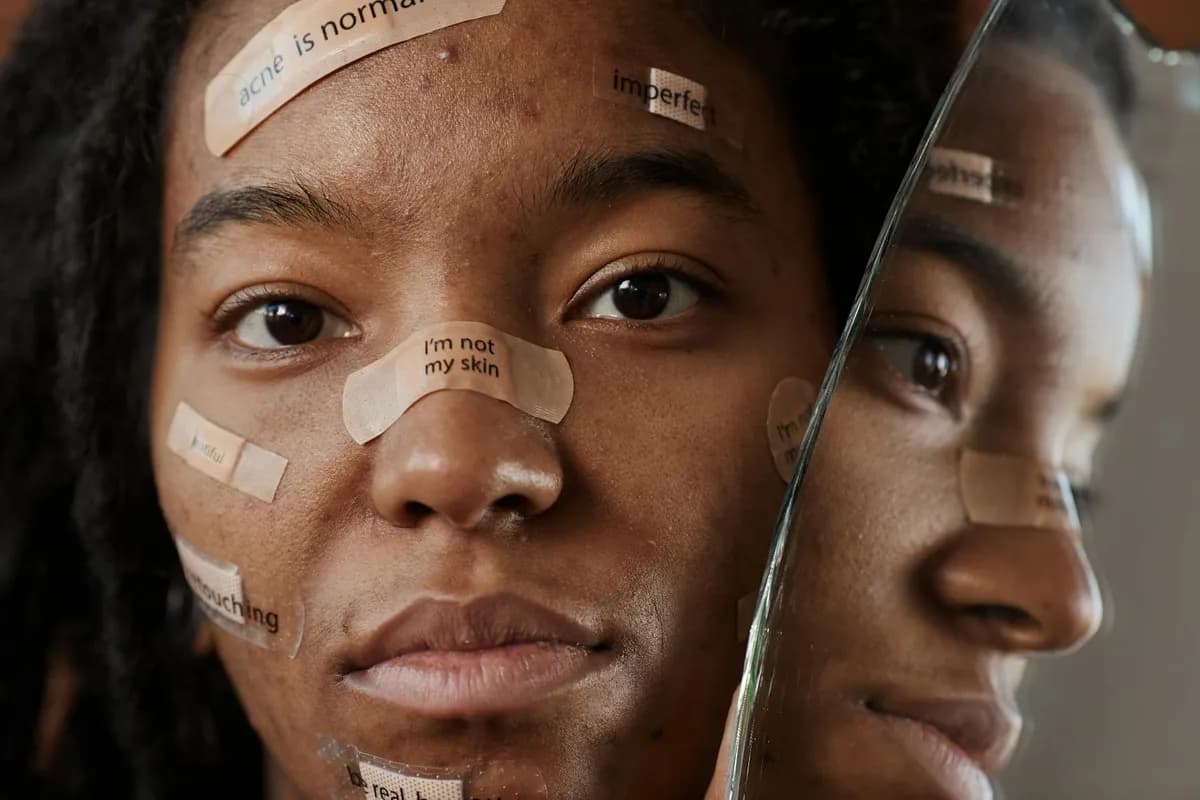
At a glance
What it is
Acne flare-ups are episodic worsening of acne driven by hormonal fluctuations, stress, and dietary factors.
Commonly experienced as
Evidence context
Emerging evidenceSee the evidence snapshotSafety
See staying safeContext
Acne flare-ups describe sudden or cyclical worsening of existing acne — a period of increased breakout activity characterised by new papules, pustules, cysts, or nodules appearing rapidly. They are commonly triggered by hormonal shifts (the premenstrual surge in progesterone and androgens stimulates sebum production and narrows pores), psychological stress (elevated cortisol increases sebum and skin inflammation), dietary triggers (high-glycaemic foods, dairy in susceptible individuals), cosmetic product sensitivity, certain medications (corticosteroids, lithium), or discontinuing acne treatment. Hormonal acne flare-ups in women typically appear along the jawline and chin in the 7–10 days before menstruation and resolve after its onset — a cyclical pattern that strongly suggests hormonal management strategies.
Could this be you
Acne Flare-Ups shows up differently for everyone. Browse by how it tends to be felt — these are common experiences, not a checklist or a diagnosis.
Common experiences people describe — not a diagnostic checklist.
The Evidence
What research and clinical practice currently say about acne flare-ups, their triggers, and the approaches used to manage them.
Hormonal and lifestyle triggers are well supported
The science behind acne flare-ups is reasonably well established, particularly around hormonal drivers and dietary patterns. Management options range from evidence-backed medical interventions to complementary approaches with more limited data.
Sudden severe inflammatory acne accompanied by fever may indicate acne fulminans, a rare but serious condition needing medical attention. Flare-ups alongside signs of virilisation in women — such as deepening voice or unusual hair growth — warrant hormonal investigation. Adolescents on isotretinoin who develop severe flares should contact their prescriber promptly.
Premenstrual flares driven by androgen and progesterone activity are consistently documented. Low glycaemic index diets show moderate evidence for reducing flare frequency. Oral contraceptives and anti-androgens have strong clinical evidence for hormonally driven acne. Topical retinoids are well supported for reducing comedone formation between flares.
Hormonal acne in women is often managed with oral contraceptives or anti-androgen medications under medical supervision. Topical retinoids and benzoyl peroxide are standard between-flare options. A dermatologist or GP can assess whether flares reflect an underlying hormonal condition such as PCOS, which may require a broader management plan.
Ayurveda associates flares with excess Pitta and Rakta heat, often worsened by spicy foods and stress. TCM links them to Lung and Stomach heat or Liver Qi stagnation. These frameworks inform herbal and dietary approaches used in practice. Clinical evidence for these specific interventions remains limited, and they are best considered alongside — not instead of — professional assessment.
Aggressive scrubbing or layering multiple active ingredients during an acute flare can damage the skin barrier and increase inflammation. High-dose vitamin A supplementation carries serious risks during pregnancy and should be avoided without medical guidance. Anyone using prescription acne medications should follow their prescriber's instructions before adding new topical or oral products.
Dermatologists and GPs are well placed to assess hormonal or persistent flares. Nutritionists or dietitians can support dietary pattern changes with evidence-informed guidance. Complementary practitioners in Ayurveda or TCM may offer additional perspectives, particularly for stress-related or cyclical patterns. Gyfts can help you explore relevant practitioners across these areas.
Safety first
General, informational guidance — not diagnostic. A qualified practitioner can advise on your own situation.
References
Educational sources that inform this overview. Inclusion is for context and does not imply endorsement.
Full citations are maintained by the Gyfts editorial team and reviewed periodically.
Keep exploring
Browse practitioners, explore honest overviews, and take what you learn to a conversation — at your own pace.