What it is
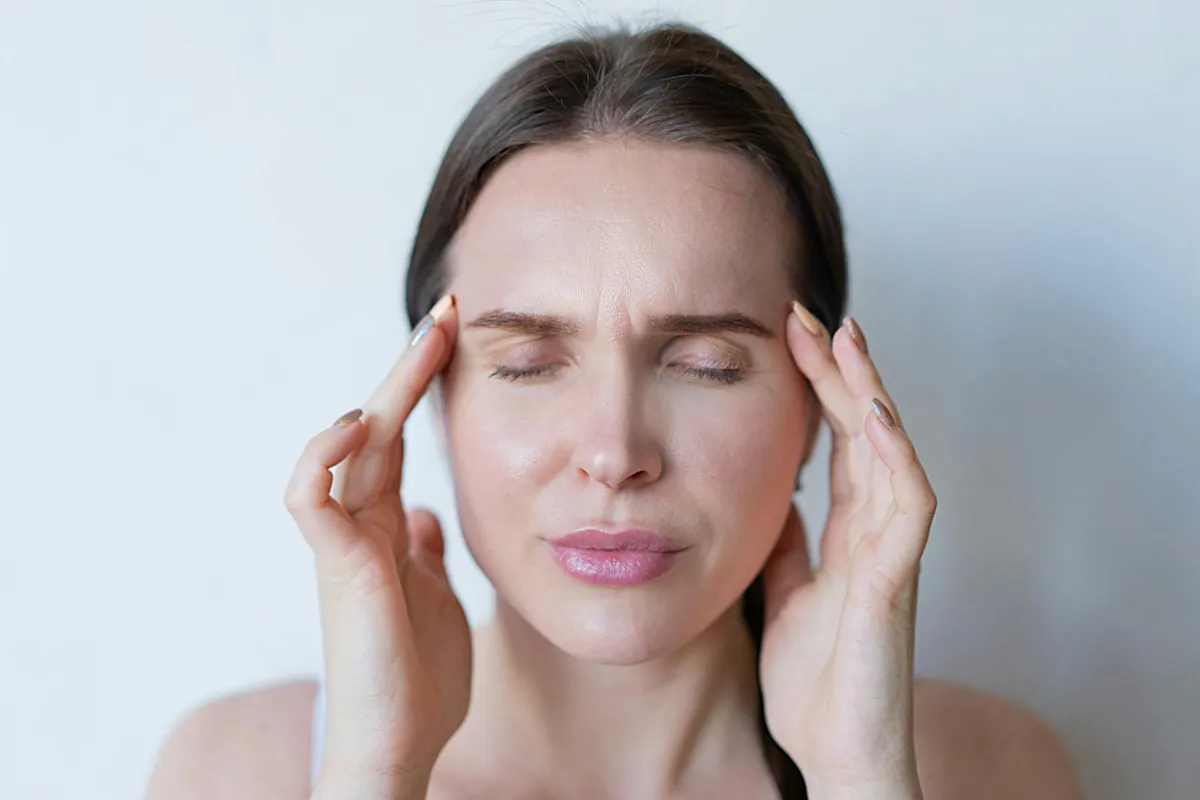
Chronic tension headaches occur more than 15 days per month and are driven by muscle tension, stress, posture, and medication overuse.
Recurring headaches arising from tension in the muscles of the head, neck, and scalp, persisting chronically (more than 15 days per month). Associated with significant impairment of quality of life and daily functioning.
At a glance
What it is
Chronic tension headaches occur more than 15 days per month and are driven by muscle tension, stress, posture, and medication overuse.
Commonly experienced as
Evidence context
Emerging evidenceSee the evidence snapshotSafety
See staying safeContext
Chronic tension headaches occur 15 or more days per month (chronic tension-type headache) and represent a significant escalation from episodic tension headache in terms of impact on daily life. They produce a characteristic bilateral pressing or tightening sensation — like a tight band or cap — that is mild to moderate in intensity, non-pulsating, and not significantly worsened by routine physical activity. Nausea is absent or mild, distinguishing them from migraine. Contributing factors include chronic musculoskeletal tension in the neck, shoulders, and suboccipital muscles; stress and psychological distress; sleep disruption; medication overuse (analgesic rebound headache); dehydration; and screen-related postural loading. Central sensitisation — where the nervous system becomes amplified in its pain signalling — plays an increasing role in frequent and chronic presentations. Addressing this comprehensively requires a multi-dimensional approach.
Could this be you
Chronic Tension Headaches shows up differently for everyone. Browse by how it tends to be felt — these are common experiences, not a checklist or a diagnosis.
Common experiences people describe — not a diagnostic checklist.
The Evidence
What research and clinical practice say about chronic tension headaches and the approaches used to manage them.
Well-studied condition with several supported management options
Chronic tension headaches are among the most researched primary headache disorders. A combination of manual therapy, stress management, and lifestyle factors has meaningful support, though individual responses vary and professional assessment is important.
A sudden, severe 'thunderclap' headache may indicate a medical emergency. Headache with fever and neck stiffness, new onset in older adults, or headache accompanied by weakness, vision changes, or confusion all require prompt professional evaluation. These presentations fall outside the scope of self-care or complementary approaches.
Manual therapy — including physiotherapy and osteopathy — has good evidence for tension and cervicogenic headache. Cognitive behavioural therapy and stress management show meaningful benefit. Magnesium and riboflavin (B2) have moderate preventive evidence. Amitriptyline is evidence-based for prevention in chronic cases. No single approach works for everyone.
Frequent use of pain-relief medications can cause medication overuse headache — a rebound cycle that increases headache days. This is one of the most important factors to discuss with a healthcare professional. Avoiding high-impact exercise during acute severe headache without neurological clearance is also advisable.
Central sensitisation — where the nervous system amplifies pain signalling — plays a growing role in frequent presentations. Related contributors include cervicogenic dysfunction, bruxism, TMJ disorder, poor posture from desk-based work, sleep disruption, and dehydration. Addressing these factors alongside headache management is generally recommended.
Acupuncture targeting head and neck pathways has good evidence for reducing tension headache frequency and is used within both TCM and integrative settings. Ayurvedic approaches such as Shirodhara are used traditionally for chronic headache but have limited formal clinical evidence. These approaches are best considered alongside, not instead of, professional assessment.
Combining manual therapy, stress management, sleep support, and lifestyle adjustments tends to produce better outcomes than any single approach. A GP or neurologist can help rule out secondary causes and guide prevention strategies. Complementary practitioners can work alongside conventional care. Tracking headache patterns, triggers, and medication use is a useful starting point.
Safety first
General, informational guidance — not diagnostic. A qualified practitioner can advise on your own situation.
References
Educational sources that inform this overview. Inclusion is for context and does not imply endorsement.
Full citations are maintained by the Gyfts editorial team and reviewed periodically.
Keep exploring
Browse practitioners, explore honest overviews, and take what you learn to a conversation — at your own pace.