What it is
Structured yogic breathing applied clinically to ease anxiety and support heart health.
Clinical-grade yogic breathing for nervous system regulation
At a glance
What it is
Structured yogic breathing applied clinically to ease anxiety and support heart health.
Why explore it
A low-cost, self-directed tool that may calm stress responses and gently lower blood pressure.
How it’s experienced
A trained guide leads you through slow, rhythmic breath patterns practiced seated or lying down.
Evidence context
Research shows real promise for stress and hypertension relief, though findings are still emerging.
See the evidence snapshotSafety
Generally very safe with good guidance; those with breathing conditions should check with a doctor first.
See staying safeHistory & Origin
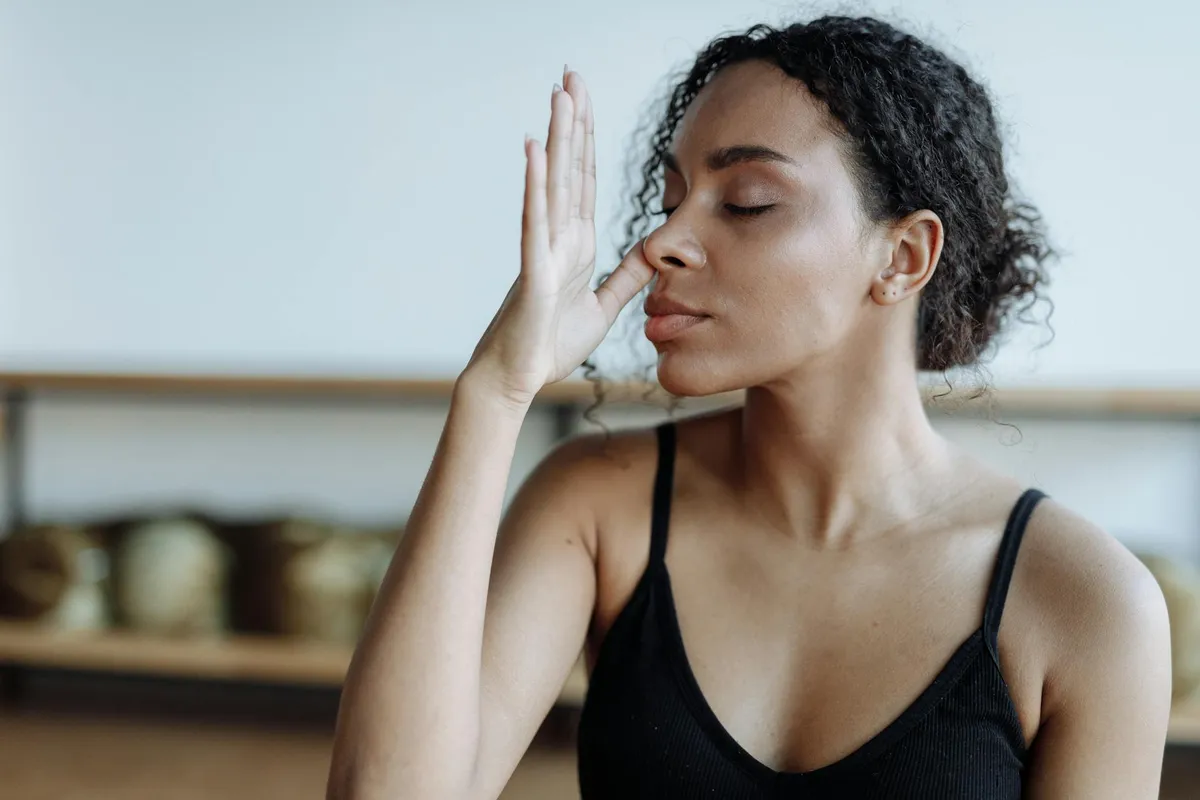
Therapeutic pranayama bridges traditional yogic breathing practices with modern clinical application. Techniques include Nadi Shodhana (alternate nostril breathing) for autonomic balance, Bhramari (humming breath) for anxiety and tinnitus, Kapalabhati (skull-shining breath) for respiratory function, and Ujjayi (ocean breath) for vagal tone enhancement. Clinical protocols specify breath ratios (e.g., 1:2 inhale:exhale), duration, and progression. Therapeutic pranayama is prescribed by yoga therapists, integrative physicians, and respiratory therapists as a standalone intervention or complement to medical treatment.
Mechanism
Therapeutic Pranayama is usually understood through movement, breath, attention, and repeated practice. A session may invite the body to explore safer patterns, steadier pacing, or a more settled relationship with sensation. Some traditions describe this as balancing energy or awareness, while contemporary explanations may focus on coordination, nervous system regulation, mobility, and confidence. Experiences vary by person, teacher, setting, and consistency. Therapeutic pranayama works primarily through the vagus nerve and autonomic nervous system.
Your first visit
A typical session outline to help you feel prepared
A Therapeutic Pranayama session guides you through intentional breathwork practices tailored to your health goals, leaving you calm and recharged.
Your practitioner warmly greets you and reviews a brief health history, asking about any respiratory issues, stress levels, or conditions that may shape your session.
Together you identify a focus for the session, whether that is reducing anxiety, improving energy, or finding emotional balance, so the breathwork is purposefully directed.
You are guided into a comfortable seated or reclined position on a mat or chair, with props like blankets or bolsters offered to support an open chest and relaxed body.
The session begins gently with natural breath observation, helping you tune into your current breathing patterns before any technique is introduced.
Your practitioner verbally guides you through specific techniques such as Nadi Shodhana alternate nostril breathing, Ujjayi, or Bhramari humming breath, paced to your comfort level.
You may feel tingling, warmth, lightness, or emotional shifts as the breath practices influence your nervous system; your practitioner checks in and adjusts as needed.
The active breathwork closes with several minutes of still, quiet breathing or a short Savasana to allow your body and mind to absorb the session fully.
Your practitioner shares personalized home practice suggestions and invites you to drink water, rest briefly, and move gently before resuming your day.
The Evidence
What research says about therapeutic pranayama, where evidence is strong, and where gaps remain.
Meaningful research base with some well-studied applications
Therapeutic pranayama has a growing clinical research base, with strongest evidence for anxiety reduction, blood pressure support, and respiratory function. Evidence quality varies by technique and condition, and larger trials are still needed in several areas.
Slow-paced breathing and extended exhalation techniques have consistent support for reducing physiological stress markers, including heart rate and blood pressure. Anxiety and autonomic regulation are among the better-studied outcomes. Evidence for conditions like asthma and tinnitus is promising but based on smaller or shorter trials, and findings should be interpreted with appropriate caution.
As a complementary modality, therapeutic pranayama is designed to support wellbeing within a broader care plan. It is used by yoga therapists, integrative physicians, and respiratory therapists as an adjunct to standard approaches. It is not a substitute for professional assessment or medical management of any condition.
Clinical use involves defined parameters such as inhale-to-exhale ratios, session length, and technique selection matched to the individual's needs. Techniques like Nadi Shodhana and Ujjayi are applied for autonomic and vagal effects, while Kapalabhati targets respiratory muscle engagement. Protocols are typically individualised and progressed over time by a qualified practitioner.
Most techniques are well tolerated in healthy adults and those with mild to moderate health concerns. Hyperventilation-style techniques such as Kapalabhati carry a higher caution profile and are not appropriate for everyone. People with cardiovascular conditions, epilepsy, pregnancy, or recent surgery should seek qualified guidance before beginning any structured breathing programme.
Forceful or rapid breathing techniques should be avoided by those with uncontrolled hypertension, glaucoma, or a history of panic disorder without professional support. Breath retention practices carry additional considerations for people with respiratory or cardiac conditions. Always disclose relevant health history to a qualified practitioner before starting a therapeutic programme.
Many pranayama studies involve small sample sizes, short durations, and limited blinding, making it difficult to draw firm conclusions. Standardisation of techniques across studies is inconsistent, which complicates comparison. The field would benefit from larger, longer, and more rigorously controlled trials before stronger evidence claims can be made for specific conditions.
Safety first
General guidance to help you decide whether this approach is appropriate for you. This is informational only and not a substitute for medical, psychological, or professional advice.
If you are pregnant, managing a health condition, recovering from injury or surgery, or taking medication, consult a qualified healthcare professional first.
Some situations call for extra care or a different approach. Share any conditions, injuries, or sensitivities with your practitioner before your first session.
Look for clear boundaries, transparent pricing, and practitioners who avoid fear-based claims or pressure to book frequent sessions.
Mild, short-lived effects such as tenderness, tiredness, or temporary soreness can occur. Rest, hydrate, and tell your practitioner how you respond.
Explore approaches
Other practices people often explore alongside therapeutic pranayama.
In their words
FAQ
Therapeutic pranayama uses specific, prescribed protocols with controlled breath ratios, durations, and progressions tailored to individual health conditions. It is administered by trained yoga therapists or healthcare providers, often as a standalone clinical intervention.
Research supports benefits for anxiety, hypertension, asthma, COPD symptom management, autonomic nervous system dysregulation, and stress-related conditions. Specific techniques have different applications.
Some vigorous techniques (Kapalabhati, Bhastrika) are contra-indicated in pregnancy, uncontrolled hypertension, epilepsy, and acute respiratory conditions. Breath retention practices require careful supervision for cardiovascular patients.
References
Educational sources that inform this overview. Inclusion is for context and does not imply endorsement.
Full citations are maintained by the Gyfts editorial team and reviewed periodically.
Keep exploring
Browse practitioners, explore honest overviews, and take what you learn to a conversation — at your own pace.