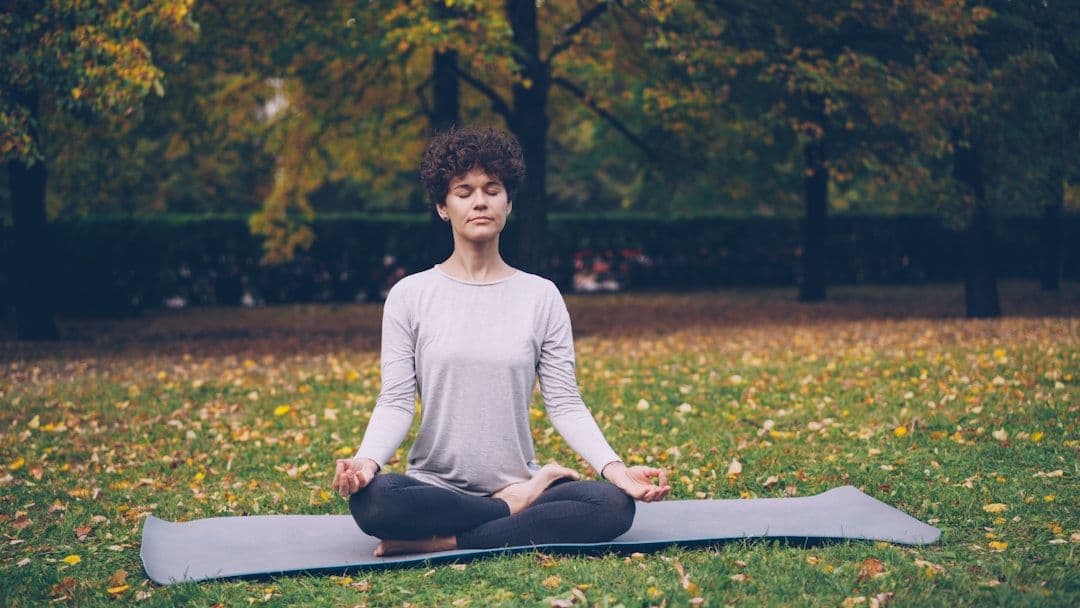
What it is
MBCT blends mindfulness meditation with cognitive therapy to shift unhelpful thought patterns.
Mindfulness Based Cognitive Therapy (MBCT) combines cognitive therapy techniques with mindfulness meditation to help prevent relapse of d...
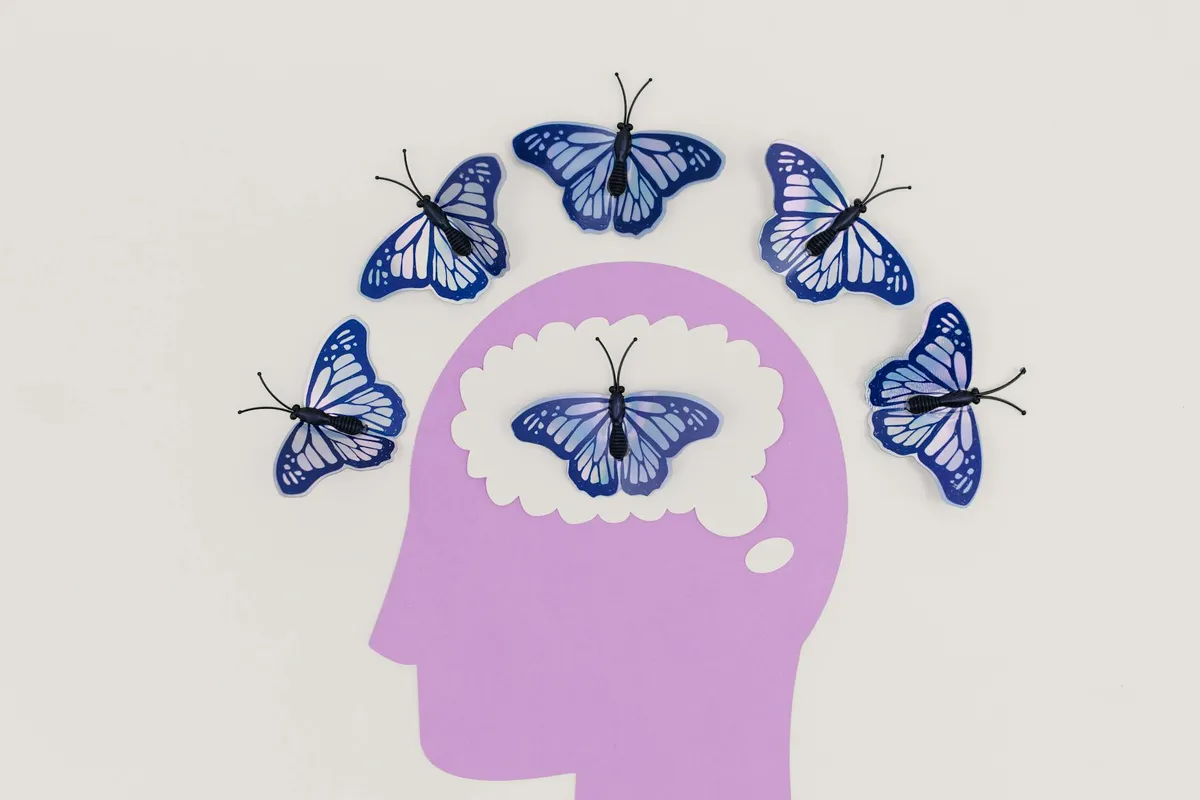
At a glance
What it is
MBCT blends mindfulness meditation with cognitive therapy to shift unhelpful thought patterns.
Why explore it
It may ease recurring depression, reduce anxiety, and build steadier emotional balance over time.
How it’s experienced
An eight-week group program weaving meditation, body scans, and exercises linking thoughts to mood.
Evidence context
Clinical trials and major guidelines back MBCT as one of the better-researched mental health tools.
See the evidence snapshotSafety
Generally safe, though trauma histories or unstable mood disorders may call for a clinician's guidance.
See staying safeHistory & Origin
Mindfulness Based Cognitive Therapy integrates mindfulness practices into cognitive therapy for mental health.
Mindfulness Based Cognitive Therapy emerged in the late 1990s, developed by Zindel Segal, Mark Williams, and John Teasdale at the University of Toronto and Cambridge University. The modality grew from earlier work on cognitive therapy for depression and was significantly influenced by Jon Kabat-Zinn's Mindfulness Based Stress Reduction (MBSR) program, which had demonstrated the therapeutic benefits of systematic mindfulness training. The developers sought to address the high relapse rates in depression treatment by integrating mindfulness practices—particularly meditation and body awareness exercises—into cognitive therapy frameworks, creating a prevention-focused intervention.
The theoretical foundation combines the cognitive model of depression, which emphasizes the role of thought patterns in mood regulation, with Buddhist-derived mindfulness practices that cultivate non-judgmental awareness of present experience. Rather than directly challenging negative thoughts as in traditional cognitive therapy, MBCT teaches individuals to observe thoughts and feelings with compassionate curiosity, creating psychological distance from rumination patterns that typically trigger depressive episodes.
Since its initial development and validation through clinical trials, MBCT has been adapted for various conditions including anxiety disorders, bipolar disorder, chronic pain, and substance use. The approach has gained significant traction in healthcare systems worldwide, with training programs and certification pathways established across North America, Europe, and increasingly in other regions. MBCT is now considered a evidence-based treatment offered in many mental health clinics, hospitals, and private practice settings.
Mechanism
Mindfulness Based Cognitive Therapy is generally framed as a guided process for attention, reflection, learning, and emotional integration. Depending on the method, a practitioner may use conversation, imagery, structured exercises, body awareness, or therapeutic techniques to help the person explore patterns and choices. It should not be presented as a standalone solution or a substitute for urgent care, but it may support self-understanding when practiced within an appropriate scope. Mindfulness-Based Cognitive Therapy combines structured cognitive techniques with sustained mindfulness practice—typically delivered over 8 weeks through group sessions combining meditation, body awareness exercises, and psychoeducation.
Your first visit
A typical session outline to help you feel prepared
Each MBCT session gently blends mindfulness practice with cognitive skill-building in a supportive group setting over about two hours.
The session opens with a brief group check-in where everyone shares how their week went and any experiences with the home practice assigned last session.
Your facilitator leads a formal mindfulness exercise such as a body scan, sitting meditation, or mindful movement, typically lasting 20 to 40 minutes.
After the exercise, the group reflects on what arose during meditation, including wandering thoughts or physical sensations, with the facilitator gently guiding discussion.
The facilitator introduces or deepens a cognitive concept, such as recognizing automatic thoughts or the link between moods and thinking patterns, using worksheets or group dialogue.
You practice applying the cognitive concept directly to a mindfulness exercise or real-life scenario, helping you see how thoughts, feelings, and body sensations interact.
Participants share observations and challenges in a non-judgmental space, building a sense of community and normalizing the difficulties of working with difficult thoughts.
Each session closes with a specific daily homework plan, such as a 45-minute guided meditation or a three-minute breathing space exercise to complete between sessions.
The session ends with a brief mindfulness moment to ground you before leaving, and reminders about resources like guided audio recordings to support your home practice.
The Evidence
What research says about Mindfulness-Based Cognitive Therapy, who it may help most, and where the evidence is still developing.
One of the most researched structured mindfulness programs available
MBCT has a substantial body of randomised controlled trials and meta-analyses behind it, particularly for preventing relapse in recurrent depression. Evidence for anxiety, chronic pain, and mood regulation is meaningful but somewhat less extensive.
Meta-analyses and multiple RCTs consistently show substantially lower relapse rates for people with three or more prior depressive episodes who engage in MBCT compared to those receiving standard care alone. Evidence for anxiety disorders and chronic pain is moderately strong, with clinically meaningful improvements reported, though effect sizes tend to be somewhat smaller than for depression prevention.
Sessions integrate mindfulness meditation, body awareness exercises, and psychoeducation to help participants recognise and interrupt automatic negative thinking. It is most commonly used as a maintenance intervention after depressive episodes rather than as an acute care approach, and is often offered alongside or following other professional mental health support.
Although rooted in Buddhist-derived mindfulness traditions, MBCT has been systematically adapted into a secular, manualised program studied within clinical research settings. On this platform it is classified as Complementary, reflecting how it is most commonly used: alongside conventional mental health care, including as a step-down intervention recommended by clinicians following depressive episodes.
People with acute suicidal ideation, active psychosis, untreated bipolar I disorder, or significant dissociative symptoms should seek professional assessment before beginning MBCT. Intensive meditation can occasionally intensify anxiety or emotional flooding, particularly in those with trauma histories. A qualified MBCT teacher can modify practices to reduce this risk.
Most high-quality trials focus on recurrent depression; evidence for other conditions is promising but less definitive. MBCT is not a substitute for professional assessment or acute mental health care. Research on optimal session frequency, long-term maintenance, and effectiveness across diverse cultural populations is still developing.
Look for practitioners with formal MBCT teacher training, ideally accredited through recognised bodies such as the UK Network for Mindfulness-Based Teacher Training Organisations or equivalent. Many qualified MBCT teachers have backgrounds in psychology, psychotherapy, or allied health. Because MBCT is frequently recommended by GPs or psychiatrists as a step-down intervention after a depressive episode, informing your existing care team helps ensure the approach fits within your broader care plan.
Safety first
General guidance to help you decide whether this approach is appropriate for you. This is informational only and not a substitute for medical, psychological, or professional advice.
If you are pregnant, managing a health condition, recovering from injury or surgery, or taking medication, consult a qualified healthcare professional first.
Some situations call for extra care or a different approach. Share any conditions, injuries, or sensitivities with your practitioner before your first session.
Look for clear boundaries, transparent pricing, and practitioners who avoid fear-based claims or pressure to book frequent sessions.
Mild, short-lived effects such as tenderness, tiredness, or temporary soreness can occur. Rest, hydrate, and tell your practitioner how you respond.
For you?
A simple, human way to weigh it up. This is general guidance, not personal medical advice — a qualified practitioner can advise on your situation.
Gyfts is a discovery platform, not a medical provider. Nothing here diagnoses, treats or replaces professional care. In an emergency, contact your local emergency number.
Explore approaches
Other practices people often explore alongside mindfulness based cognitive therapy.
In their words
FAQ
MBCT specifically integrates mindfulness meditation practices with cognitive therapy in a structured, typically time-limited format. Unlike open-ended therapy, MBCT follows an 8-week curriculum with specific skill-building components. It emphasizes changing your relationship with thoughts and emotions through awareness rather than primarily changing thought content, though both approaches address cognitive patterns.
No prior meditation experience is necessary. MBCT teaches meditation from the beginning, starting with simple, accessible practices. The program is designed for people new to mindfulness, and your practitioner will guide you through all techniques step-by-step.
The standard MBCT program consists of 8 weekly sessions plus optional booster sessions afterward. Most people benefit from completing the full 8-week curriculum. However, some practitioners offer variations, and additional sessions may be helpful. Total treatment length depends on individual needs and whether you continue with follow-up sessions.
While MBCT was originally developed as a group program and many practitioners still offer it in groups, individual MBCT is increasingly available. Group settings offer peer support and shared experience, while individual sessions allow for personalized pacing and attention to specific needs. Both formats can be effective.
MBCT primarily uses mindfulness meditation, which involves paying attention to present-moment experience without judgment. This includes body scan meditation (noticing physical sensations), sitting meditation (observing thoughts and breathing), and mindful movement. These are secular practices, though they have roots in Buddhist meditation traditions.
Yes, MBCT can be very effective alongside medications. In fact, combining MBCT with medication is often more effective than either approach alone for preventing relapse. If you're on medication, continue taking it as prescribed and inform your MBCT practitioner. Do not adjust medications without consulting your prescriber.
MBCT typically involves 30-45 minutes of daily formal practice (guided meditation) plus informal practice during daily activities. This commitment is important for effectiveness, as regular practice helps develop the neural and behavioral changes that reduce relapse risk. Your practitioner can discuss ways to integrate practice into your existing routine.
The goal is not to eliminate negative thoughts, which is unrealistic and unnecessary. Rather, MBCT helps you develop a different relationship with your thoughts—observing them with curiosity rather than getting caught in rumination or believing them automatically. This shift reduces the emotional impact of difficult thoughts and prevents depressive spirals.
Some people notice improved mood, reduced anxiety, or better sleep within the first few weeks. Others experience more gradual changes. The preventative benefits of MBCT—reduced relapse risk—typically emerge over several months of consistent practice. Most research shows significant benefits by the end of the 8-week program and beyond.
Coverage varies widely by insurance plan, location, and whether your practitioner is licensed as a therapist or counselor. MBCT delivered by psychologists, licensed counselors, or licensed clinical social workers is more likely to be covered. Check with your insurance provider about coverage, and discuss costs with your practitioner during the initial consultation.
References
Educational sources that inform this overview. Inclusion is for context and does not imply endorsement.
Full citations are maintained by the Gyfts editorial team and reviewed periodically.
Keep exploring
Browse practitioners, explore honest overviews, and take what you learn to a conversation — at your own pace.