What it is
Depression describes a persistent state of low mood, loss of interest or pleasure, and associated cognitive, somatic, and functional changes lasting at least two weeks.
A persistent state of low mood, loss of interest or pleasure, and associated symptoms lasting at least two weeks — one of the most common and disabling mental health conditions.

At a glance
What it is
Depression describes a persistent state of low mood, loss of interest or pleasure, and associated cognitive, somatic, and functional changes lasting at least two weeks.
Commonly experienced as
Evidence context
Research-supportedSee the evidence snapshotSafety
See staying safeContext
Major depressive disorder (MDD) is characterised by at least two weeks of persistent low mood and/or loss of interest or pleasure (anhedonia), accompanied by at least four additional symptoms from: weight or appetite change, sleep disturbance, psychomotor agitation or retardation, fatigue, feelings of worthlessness or excessive guilt, poor concentration, and recurrent thoughts of death or suicidal ideation. Depression exists on a spectrum of severity (mild, moderate, severe) and may occur as a single episode or recurrently. It is highly comorbid with anxiety disorders, chronic physical illness, substance use, and chronic pain. Biological (neurobiological, genetic, hormonal), psychological (cognitive patterns, early adversity), and social (isolation, adverse events, structural inequality) factors all contribute. Subtypes include melancholic, atypical, psychotic, and seasonal depression.
Could this be you
Depression shows up differently for everyone. Browse by how it tends to be felt — these are common experiences, not a checklist or a diagnosis.
Common experiences people describe — not a diagnostic checklist.
The Evidence
What research and clinical practice say about depression — its care approaches, complementary options, and when to seek urgent support.
Depression is one of the most researched areas in mental health
Effective psychological and pharmacological options are well-established, with strong evidence for CBT, antidepressants, and exercise. Complementary approaches show promise for mild-moderate symptoms but do not replace professional care for moderate-severe depression.
Seek urgent support if you or someone else is experiencing suicidal thoughts with a plan or intent, severe depression with hallucinations or delusions, or an inability to care for yourself or dependants. Postpartum depression with thoughts of harm to self or an infant also requires immediate assessment. Crisis services, emergency departments, or a trusted clinician should be contacted without delay.
SSRIs are the first-line pharmacological option. CBT, interpersonal therapy, and behavioural activation show comparable efficacy to medication at moderate severity. Combination therapy is more effective for moderate-severe depression. Aerobic exercise at least three times per week has consistent evidence for mild-moderate symptoms, with effect sizes comparable to antidepressants in certain populations and some smaller trials.
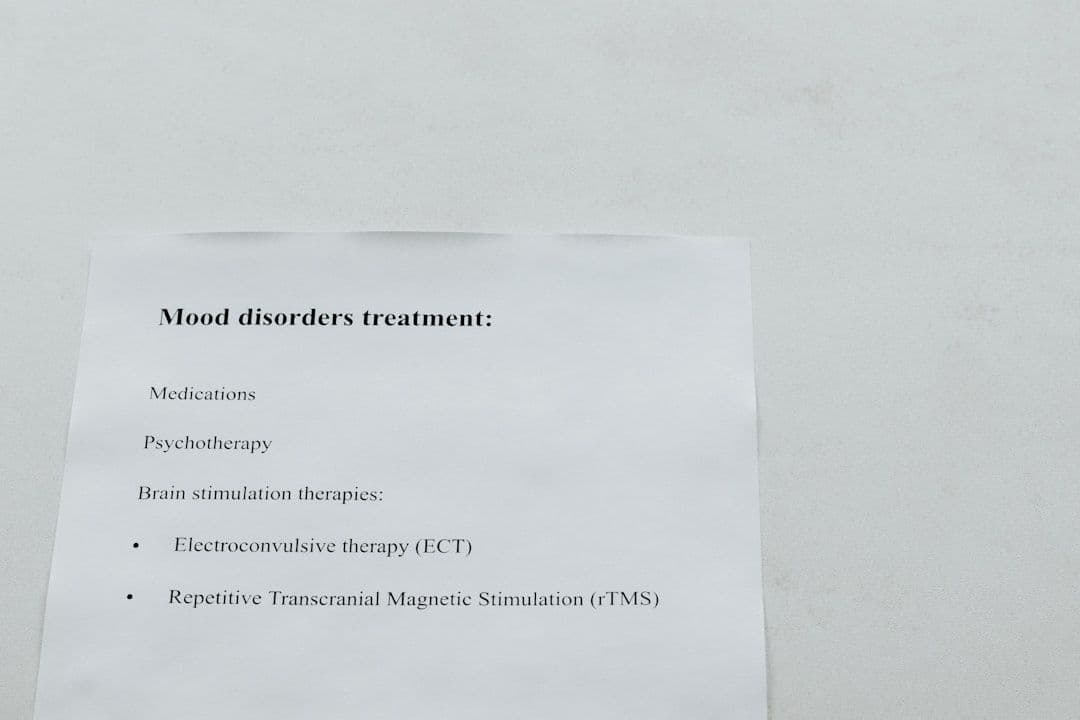
NICE guidelines recommend both psychological therapy and medication, with seeker preference guiding initial choice for mild-moderate depression. Electroconvulsive therapy is reserved for severe, treatment-resistant, or psychotic presentations. Lifestyle factors — sleep, exercise, social connection, and sunlight — are consistently supported across all severity levels as part of a broader care plan.
Saffron (Crocus sativus) has growing clinical trial evidence for mild-moderate depression. St John's wort has reasonable evidence at this severity level but carries significant interaction risks with antidepressants, anticoagulants, HIV medications, and oral contraceptives — it must not be combined with these without medical guidance. Acupuncture and mindfulness-based approaches have supportive but more limited evidence.
St John's wort must not be combined with antidepressants or several other medications without medical supervision due to serious interaction risks. Antidepressants should never be stopped abruptly — tapering under medical guidance is essential to avoid discontinuation syndrome. Always inform all practitioners about every supplement, herb, or medication you are taking.
A GP, psychiatrist, or psychologist can assess severity and recommend a suitable pathway. Complementary practitioners working alongside conventional care should be informed of all care approaches and options being used — particularly given interactions such as those associated with St John's wort. For moderate-severe or recurrent depression, specialist mental health input is strongly recommended. Self-directed approaches alone are not sufficient at higher severity levels.
Safety first
General, informational guidance — not diagnostic. A qualified practitioner can advise on your own situation.
Top Practitioners
Practitioners are ranked using relevance, experience signals, reviews, and support-area fit.
References
Educational sources that inform this overview. Inclusion is for context and does not imply endorsement.
Full citations are maintained by the Gyfts editorial team and reviewed periodically.
Keep exploring
Browse practitioners, explore honest overviews, and take what you learn to a conversation — at your own pace.