What it is
Skin that lacks adequate moisture and becomes rough, flaky, tight, or prone to irritation and cracking, often worse in cold or dry environments.
Skin that lacks adequate moisture and becomes rough, flaky, tight, or prone to irritation and cracking, often worse in cold or dry environments.
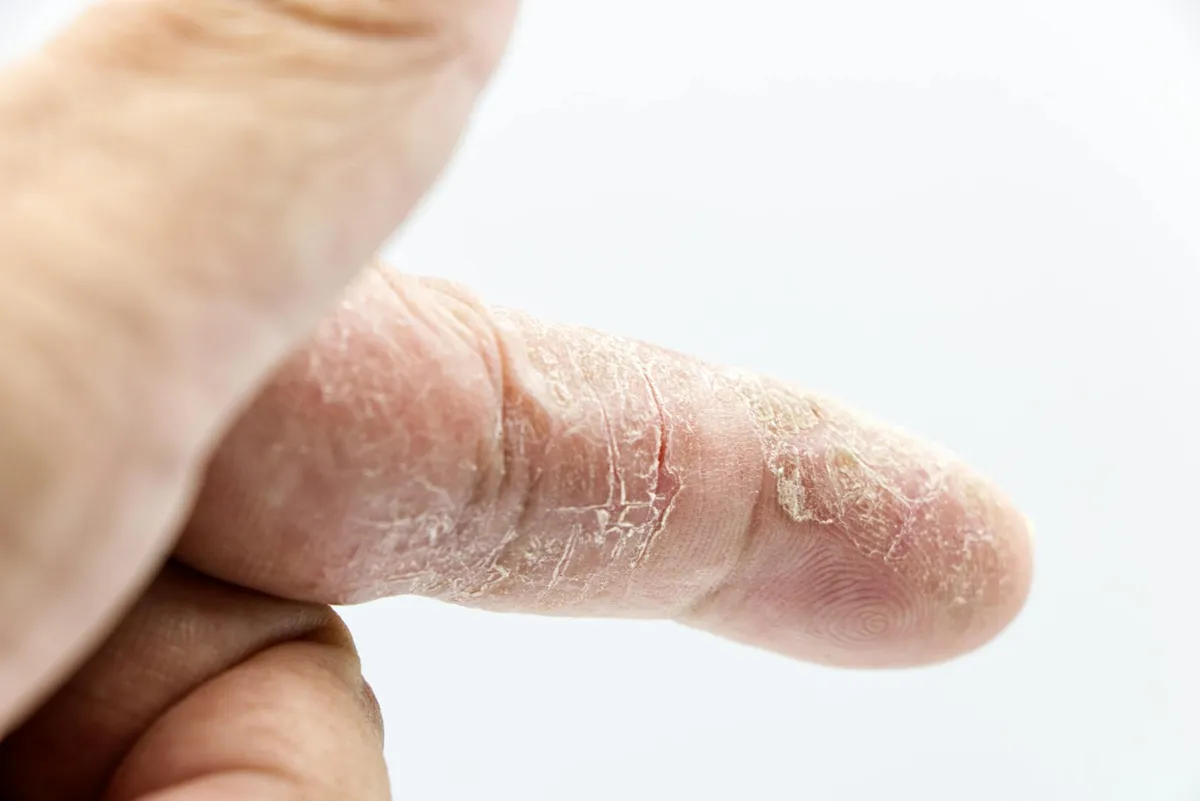
At a glance
What it is
Skin that lacks adequate moisture and becomes rough, flaky, tight, or prone to irritation and cracking, often worse in cold or dry environments.
Commonly experienced as
Evidence context
Emerging evidenceSee the evidence snapshotContext
Dry skin (xerosis) results from a compromised skin barrier that fails to retain adequate moisture, leading to water loss from the epidermis. Symptoms range from mild roughness and tightness to severe scaling, cracking, and itching. Contributing factors include cold weather and low humidity, central heating, hot baths and harsh soaps, ageing (which reduces sebum production and skin barrier function), hypothyroidism, diabetes, nutritional deficiencies (particularly essential fatty acids, vitamin A, and zinc), atopic dermatitis, eczema, and certain medications. The skin barrier is primarily maintained by ceramides, fatty acids, and cholesterol — dietary patterns deficient in healthy fats or with inadequate hydration visibly impact skin moisture. Holistic practitioners view persistent dry skin as a systemic signal alongside a topical problem.
Could this be you
Dry Skin shows up differently for everyone. Browse by how it tends to be felt — these are common experiences, not a checklist or a diagnosis.
Common experiences people describe — not a diagnostic checklist.
Explore next
The Evidence
What research and clinical practice currently say about managing dry skin, from barrier care to nutrition and holistic approaches.
Skin barrier care is well-supported; nutritional links are emerging
Topical moisturisation and gentle cleansing have strong evidence for managing dry skin. Nutritional factors such as essential fatty acids and hydration show moderate support, with some approaches still building their evidence base.
Seek prompt attention if dry skin is accompanied by a rapidly spreading rash with fever, a skin lesion changing shape or colour quickly, a wound that is not healing, or signs of infection such as increasing redness, warmth, swelling, or pus. These patterns go beyond routine dryness and need professional evaluation.
Ceramide-containing moisturisers have strong evidence for restoring the skin barrier. Avoiding harsh soaps and using gentle cleansers is also well-supported. Essential fatty acid supplementation (omega-3 and omega-6) and evening primrose oil have moderate evidence for improving skin hydration, particularly in eczema-related dryness.
Dry skin is not always a surface-only issue. Hypothyroidism, diabetes, atopic dermatitis, and certain medications can all contribute. Nutritional gaps — particularly in essential fatty acids, vitamin A, and zinc — may also play a role. If dryness is persistent or severe, professional assessment helps identify whether an underlying factor needs attention.
Omega-3 and omega-6 fatty acid supplementation, vitamin D (particularly for atopic skin conditions), and collagen peptides all have moderate or emerging evidence for supporting skin hydration and barrier function. These are best considered alongside, not instead of, established skincare practices and professional guidance where needed.
Factors such as diet quality, hydration, stress, sleep, and environmental exposures all interact with skin health. Holistic approaches encourage looking at these patterns together. While this framing is not a substitute for professional assessment, it can support more complete self-awareness and longer-term skin wellbeing.
Regular use of ceramide or lipid-rich moisturisers, lukewarm rather than hot bathing, and gentle fragrance-free cleansers form a strong foundation. Reviewing diet for adequate healthy fats and hydration adds another layer. Where dryness is persistent, worsening, or linked to other symptoms, a qualified practitioner can help identify the right next step.
References
Educational sources that inform this overview. Inclusion is for context and does not imply endorsement.
Full citations are maintained by the Gyfts editorial team and reviewed periodically.
Keep exploring
Browse practitioners, explore honest overviews, and take what you learn to a conversation — at your own pace.