What it is
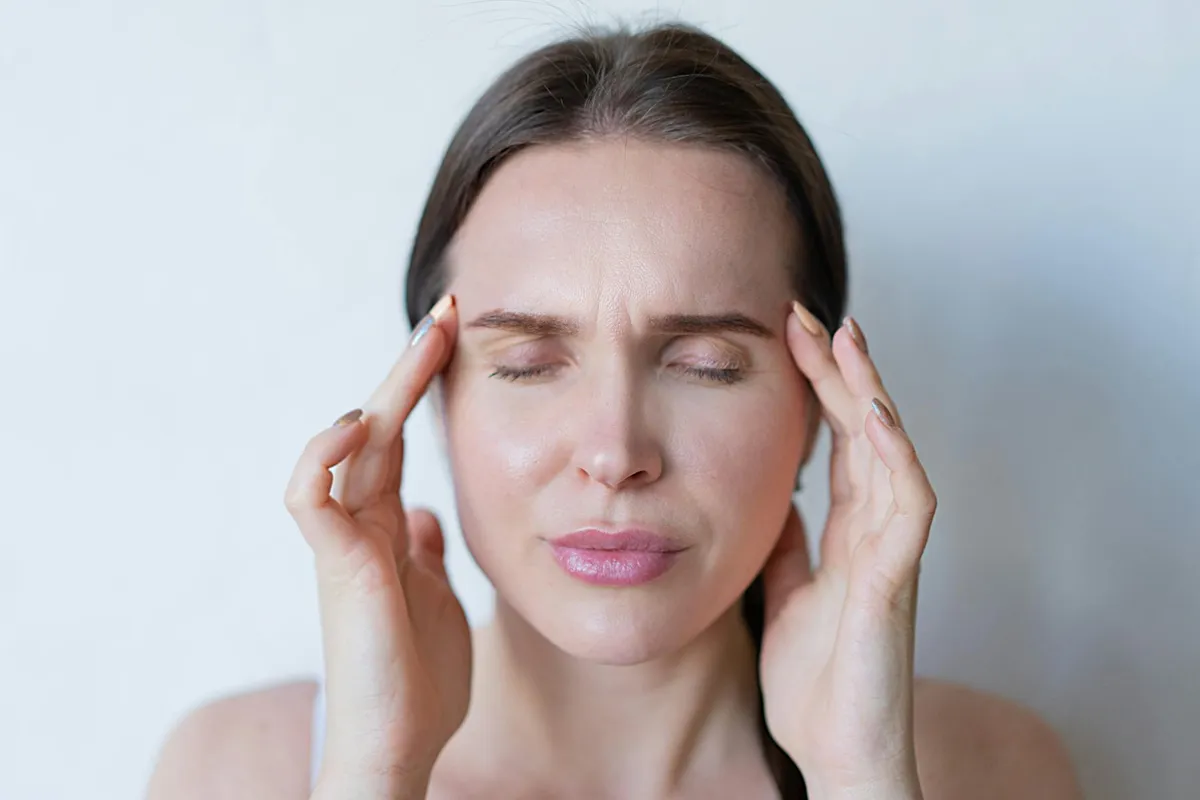
Recurring headaches that may be tension-related or stress-induced.
Recurring headaches that may be tension-related or stress-induced.
At a glance
What it is
Recurring headaches that may be tension-related or stress-induced.
Commonly experienced as
Evidence context
Traditional useSee the evidence snapshotContext
Frequent headaches describes a pattern of headaches occurring regularly — at least several times per week or on the majority of days — representing a significant burden on daily functioning and quality of life. When headaches occur on 15 or more days per month, they meet the clinical threshold for chronic daily headache, which is associated with significant disability. Common underlying patterns include chronic tension-type headache, chronic migraine, medication overuse headache (a major and underrecognised cause, where frequent analgesic use paradoxically perpetuates daily headache through rebound), cervicogenic headache, and hormonal headache patterns in women. Investigation to exclude secondary headache causes (raised intracranial pressure, space-occupying lesion, vascular abnormality) is appropriate for new-onset frequent headaches or those with red flag features.
Could this be you
Frequent Headaches shows up differently for everyone. Browse by how it tends to be felt — these are common experiences, not a checklist or a diagnosis.
Common experiences people describe — not a diagnostic checklist.
The Evidence
What research and clinical practice say about frequent headaches, and when to seek professional assessment.
Frequent headaches are well-studied but need careful assessment
Frequent headaches have multiple recognised patterns with varying causes, and evidence supports both conventional and complementary approaches for some types. Identifying the underlying pattern matters — and certain features require prompt professional evaluation.
Seek urgent care for a sudden severe headache described as the worst ever experienced, headache with numbness, weakness, or speech difficulty, vision changes alongside neurological symptoms, or seizures and loss of consciousness. These features may indicate serious underlying causes requiring prompt professional assessment. Do not attempt to self-manage these presentations.
A healthcare professional can help identify whether headaches are tension-type, migraine-related, cervicogenic, hormonal, or linked to medication overuse — a common and underrecognised pattern where frequent pain relief use paradoxically worsens headache frequency. Accurate pattern identification shapes which approaches are most appropriate.
Relaxation techniques have reasonable supporting evidence for tension-type headache, particularly when stress is a contributing factor. Acupuncture has a growing evidence base for both tension-type and migraine headache, with some clinical guidelines acknowledging it as a reasonable option. Evidence quality varies across studies, and effects tend to be modest rather than dramatic.
Medication overuse headache is a well-documented and often overlooked pattern in which regular use of analgesics or triptans — even at recommended doses — perpetuates daily headache through rebound. If headaches are occurring most days and pain relief is being used frequently, this pattern should be discussed with a qualified practitioner before adding further approaches.
Approaches such as acupuncture, biofeedback, mindfulness-based stress reduction, and certain manual therapies are used as adjuncts to conventional headache management. These are not substitutes for professional assessment, particularly for new or worsening patterns. When used alongside appropriate care, some individuals report meaningful benefit, though responses vary.
Headache is a heterogeneous symptom with many possible drivers, meaning no universal complementary solution exists. Evidence for most non-pharmacological approaches is based on specific headache subtypes, and results from trials may not reflect individual experience. Inflated outcome claims from any single modality should be viewed with caution.
Top Practitioners
Practitioners are ranked using relevance, experience signals, reviews, and support-area fit.
References
Educational sources that inform this overview. Inclusion is for context and does not imply endorsement.
Full citations are maintained by the Gyfts editorial team and reviewed periodically.
Keep exploring
Browse practitioners, explore honest overviews, and take what you learn to a conversation — at your own pace.
