What it is
Increased heart rate and blood pressure may reflect anxiety, hyperthyroidism, arrhythmia, or primary hypertension.
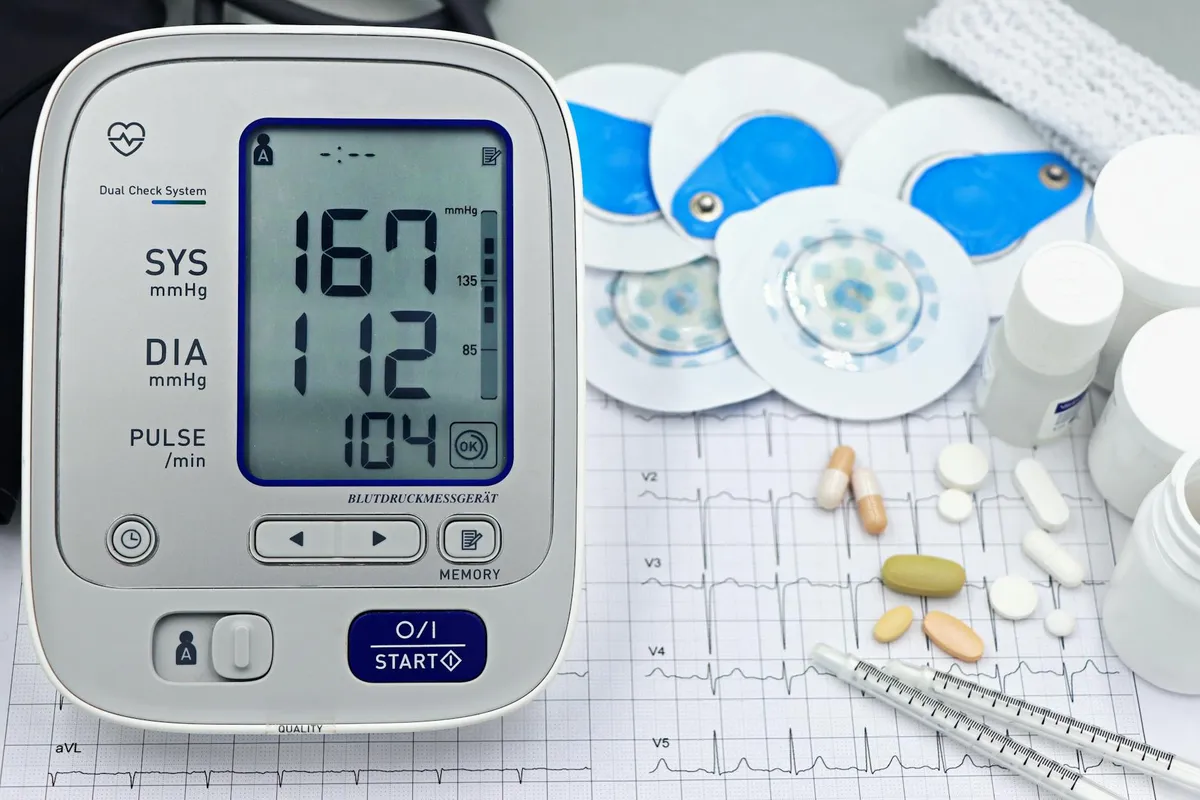
Elevation of heart rate (tachycardia) or blood pressure above normal resting ranges, either acutely in response to stress or as a persistent pattern indicating cardiovascular or systemic dysregulation.
At a glance
What it is
Increased heart rate and blood pressure may reflect anxiety, hyperthyroidism, arrhythmia, or primary hypertension.
Commonly experienced as
Evidence context
Research-supportedSee the evidence snapshotSafety
See staying safeContext
Concurrent increases in heart rate and blood pressure represent the body's acute stress response — the sympathetic nervous system mobilising resources for perceived threat. While normal during exertion or temporary stress, chronic elevation of both indicators increases cardiovascular strain and long-term disease risk. Causes include anxiety disorders, panic attacks, caffeine and stimulant use, chronic pain, sleep deprivation, and autonomic nervous system dysregulation. In some cases, it reflects early hypertension or hyperthyroidism. Holistic practitioners view this pattern as a sign of chronic sympathetic dominance, assessing sleep, stress load, nutritional factors, and nervous system resilience as part of a comprehensive approach.
Could this be you
Increased Heart Rate and Blood Pressure shows up differently for everyone. Browse by how it tends to be felt — these are common experiences, not a checklist or a diagnosis.
Common experiences people describe — not a diagnostic checklist.
The Evidence
What research and clinical practice say about elevated heart rate and blood pressure, and when to seek professional assessment.
Well-studied cardiovascular signals with clear lifestyle links
Elevated heart rate and blood pressure together are among the most researched cardiovascular indicators globally. Lifestyle, stress, and autonomic function all play documented roles, and several non-pharmacological approaches have meaningful evidence behind them.
Seek emergency care for sudden severe headache with high blood pressure, visual disturbance, or confusion. Palpitations with chest pain, fainting, or breathlessness also require prompt assessment. Rapid irregular heartbeat may indicate atrial fibrillation. Unexplained tachycardia with weight loss and heat intolerance warrants thyroid investigation. These are not situations for self-management.
Hypertension is widely recognised as a leading modifiable cardiovascular risk factor. Research suggests aerobic exercise can meaningfully reduce systolic blood pressure, with estimates varying across studies. The DASH dietary pattern is associated with meaningful blood pressure reduction in research. Mindfulness and slow-paced breathing have moderate evidence for reducing sympathetic arousal and supporting blood pressure over time.
The sympathetic nervous system drives simultaneous rises in heart rate and blood pressure during stress, pain, or perceived threat. While normal during exertion, chronic elevation increases cardiovascular strain. Underlying contributors can include anxiety, stimulant use, sleep deprivation, chronic pain, early hypertension, or hyperthyroidism — all of which benefit from professional assessment.
Holistic practitioners assess this paired presentation by examining autonomic balance markers — including resting heart rate trends and blood pressure variability — alongside sleep quality, stress load, and nutritional status. The concurrent rise in both measures is viewed as a signal of sustained sympathetic dominance rather than an isolated reading. Integrated lifestyle change across multiple systems is a common framework, complementing but not replacing professional cardiovascular assessment.
Traditional Chinese Medicine associates this pattern with Heart Fire or Liver Yang rising. Ayurveda links it to excess Pitta and Vata affecting the heart. Practices such as pranayama, meditation, and herbal protocols are used within these systems to support calm and balance. These frameworks carry cultural depth but should not substitute professional cardiovascular evaluation.
Vigorous exercise should not be started without medical assessment where significant hypertension or arrhythmia is suspected. Stimulant supplements — including some herbal products — carry risk for those with known cardiac conditions. Always inform your healthcare provider about any supplements or new physical regimens, particularly if you are on cardiovascular medications.
Safety first
General, informational guidance — not diagnostic. A qualified practitioner can advise on your own situation.
Top Practitioners
Practitioners are ranked using relevance, experience signals, reviews, and support-area fit.
References
Educational sources that inform this overview. Inclusion is for context and does not imply endorsement.
Full citations are maintained by the Gyfts editorial team and reviewed periodically.
Keep exploring
Browse practitioners, explore honest overviews, and take what you learn to a conversation — at your own pace.
