What it is
Chronic physical tension is often a nervous system state as much as a musculoskeletal one, driven by stress, trauma, and postural habits.
Chronic or persistent muscular tension as a background state, often driven by stress, postural habits, or nervous system hyperarousal. Contributes to pain, fatigue, and restricted movement.
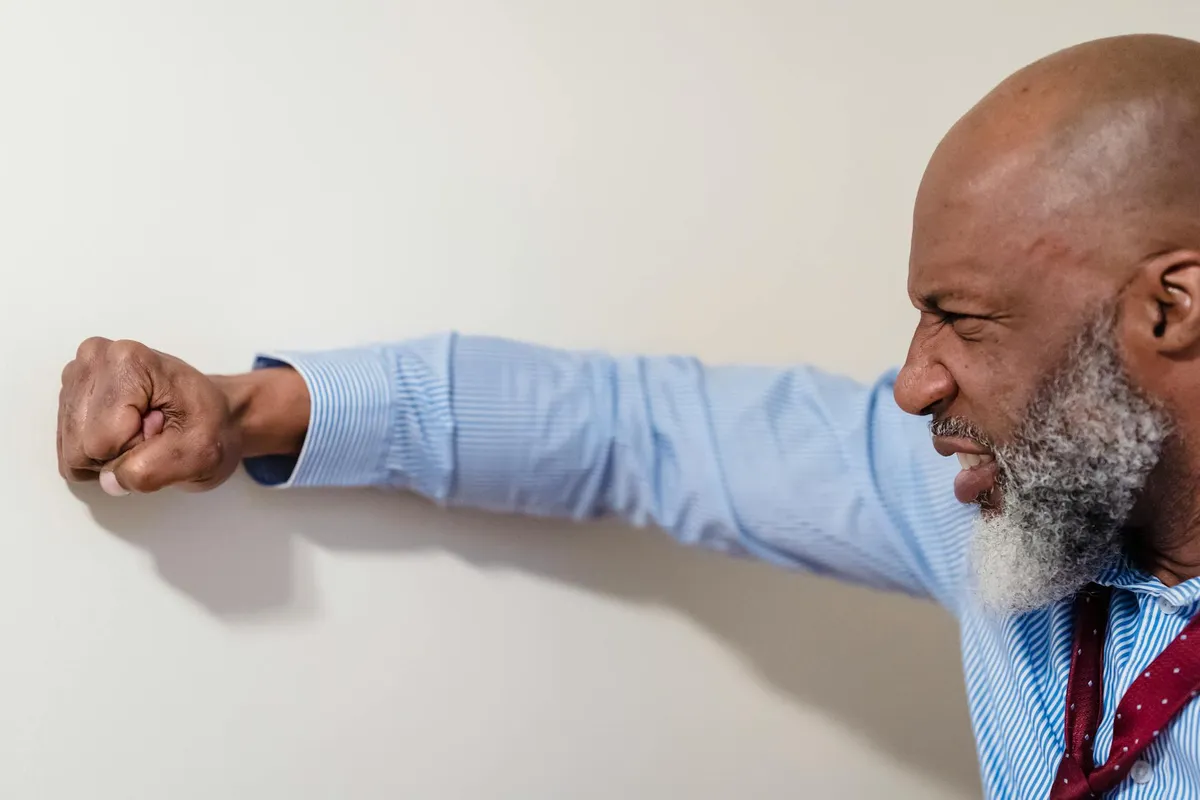
At a glance
What it is
Chronic physical tension is often a nervous system state as much as a musculoskeletal one, driven by stress, trauma, and postural habits.
Commonly experienced as
Evidence context
Research-supportedSee the evidence snapshotSafety
See staying safeContext
Physical tension describes a state of sustained, often unconscious muscle contraction that persists beyond the demand that originally triggered it. It commonly accumulates in the neck, shoulders, upper back, jaw, chest, and abdomen — areas where the body habitually braces under emotional or physical load. Chronic stress and elevated cortisol directly increase baseline muscle tone through sympathetic nervous system activation. Poor posture, repetitive movements, sedentary work, and shallow breathing all reinforce physical tension patterns over time. Many people carry significant tension without awareness until it produces pain, headaches, or restricted movement. Holistic practitioners view physical tension as a body-level expression of unprocessed stress or emotional load — requiring both somatic and psychological approaches for lasting resolution.
Could this be you
Physical Tension shows up differently for everyone. Browse by how it tends to be felt — these are common experiences, not a checklist or a diagnosis.
Common experiences people describe — not a diagnostic checklist.
The Evidence
What research and practice say about chronic physical tension — and how different approaches address it.
Chronic tension is well-studied, with several approaches showing meaningful evidence
Physical tension as a sustained state is strongly linked to stress physiology and sympathetic nervous system activation. Evidence supports somatic, psychological, and physical approaches — often in combination.
Sudden severe muscle rigidity, especially with fever or altered consciousness, may indicate a medical emergency such as tetanus or neuroleptic malignant syndrome. Tension accompanied by neurological symptoms — numbness, weakness, or coordination changes — also warrants prompt professional evaluation. Do not delay seeking care if these signs are present.
Elevated cortisol and sympathetic nervous system dominance are well-established drivers of increased baseline muscle tone. Mindfulness-based approaches and somatic therapies have meaningful evidence for reducing chronic tension. Physiotherapy and biofeedback also have documented effectiveness, particularly for postural and stress-related presentations.
Chronic tension often involves both postural habits and an underlying nervous system state that keeps muscles braced. Physiotherapy, massage therapy, and biofeedback can address the physical layer. Psychological support — including cognitive behavioural approaches — is often explored alongside bodywork when stress or anxiety is a primary driver.
Aggressive deep tissue work without nervous system preparation may increase guarding rather than release it. High-intensity exercise alone does not address the stress physiology driving chronic tension. Stimulants — including high caffeine intake — can amplify sympathetic activation and worsen the baseline tension state. A practitioner familiar with stress-related presentations can help sequence approaches appropriately, and may advise whether these approaches are suitable for your specific presentation.
Traditional Chinese Medicine associates chronic tension with Liver Qi stagnation affecting the sinews, addressed through acupuncture, cupping, and gua sha. Ayurveda uses warm oil massage and Vata-calming practices. Many somatic traditions view persistent tension as the body holding accumulated life experience. These frameworks offer complementary perspectives, though evidence varies across specific techniques.
Chronic physical tension often manifests in recognisable patterns — bracing through the jaw, neck, shoulders, or lower back — shaped by postural habits and stress history. Effective care tends to address both the specific body regions involved and the nervous system state sustaining them. Combining physiotherapy or massage with breathwork or somatic therapy often supports more lasting change than addressing either layer alone. A qualified practitioner can help identify which combination suits your presentation.
Safety first
General, informational guidance — not diagnostic. A qualified practitioner can advise on your own situation.
References
Educational sources that inform this overview. Inclusion is for context and does not imply endorsement.
Full citations are maintained by the Gyfts editorial team and reviewed periodically.
Keep exploring
Browse practitioners, explore honest overviews, and take what you learn to a conversation — at your own pace.