What it is
Shallow breathing involves taking quick, surface-level breaths using only the upper chest, rather than deep, full breaths that engage the diaphragm.
Shallow breathing involves taking quick, surface-level breaths using only the upper chest, rather than deep, full breaths that engage the diaphragm.
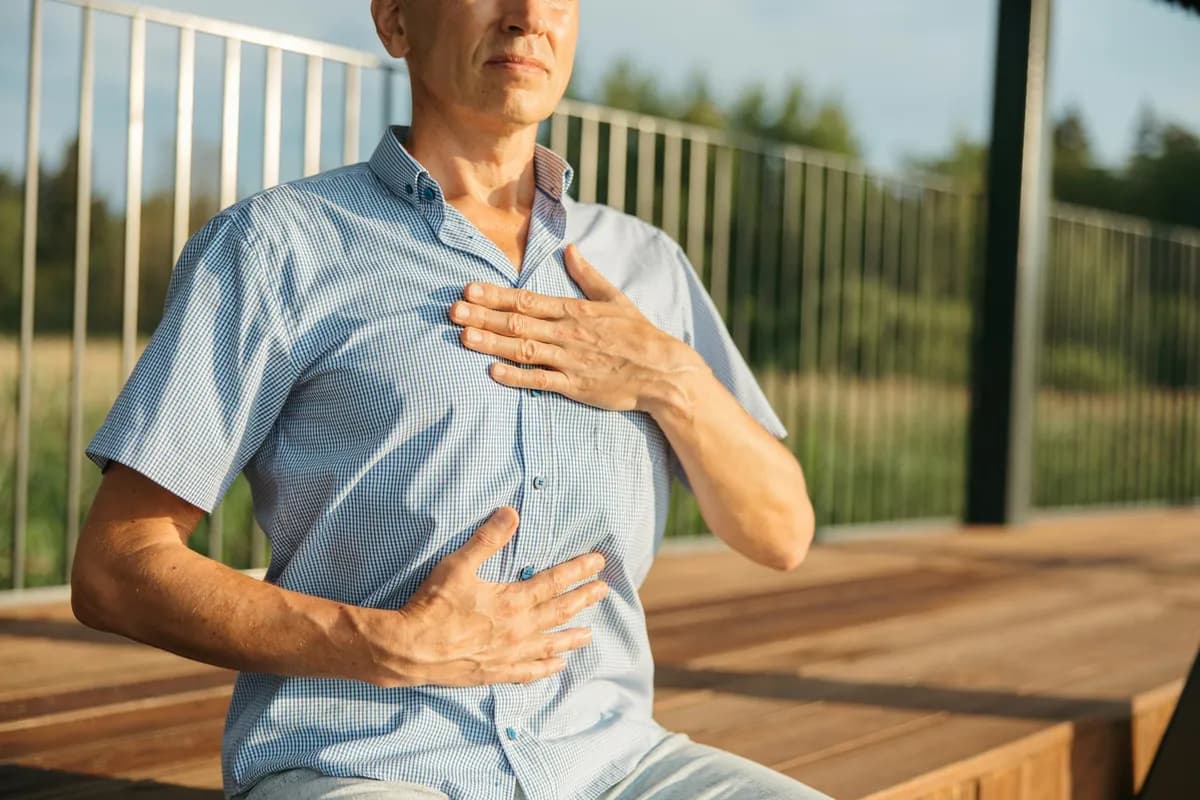
At a glance
What it is
Shallow breathing involves taking quick, surface-level breaths using only the upper chest, rather than deep, full breaths that engage the diaphragm.
Commonly experienced as
Evidence context
Emerging evidenceSee the evidence snapshotContext
Understanding Shallow Breathing
Shallow breathing, also known as chest breathing or upper respiratory breathing, occurs when you breathe primarily using the muscles in your upper chest rather than your diaphragm. This type of breathing pattern typically involves quick, short breaths that don't fully expand the lungs or engage the deeper respiratory muscles.
How It Feels
People experiencing shallow breathing often describe feeling like they can't get enough air, even when their oxygen levels are normal. You might notice your shoulders rising and falling with each breath, or feel tension in your neck and upper chest muscles. Some people describe a sensation of breathlessness or feeling like they're only breathing into the top portion of their lungs.
Common Causes and Daily Impact
Shallow breathing can develop from stress, anxiety, poor posture, or simply from habit. Modern lifestyle factors like prolonged sitting, computer work, and chronic stress can contribute to this pattern becoming your body's default breathing style. This inefficient breathing pattern can lead to feelings of fatigue, difficulty concentrating, increased anxiety, and physical tension in the neck and shoulders. It may also impact sleep quality and overall energy levels throughout the day.
Could this be you
Shallow breathing shows up differently for everyone. Browse by how it tends to be felt — these are common experiences, not a checklist or a diagnosis.
Common experiences people describe — not a diagnostic checklist.
The Evidence
What research and clinical practice say about shallow breathing and approaches to improving it.
Breathing retraining is well-supported; underlying causes matter
Diaphragmatic breathing exercises, yoga, and mindfulness have meaningful research support for improving shallow breathing patterns and related stress. Addressing any underlying medical condition alongside these approaches is important.
Seek emergency care if shallow breathing occurs with chest pain, arm or jaw pain, sudden severe palpitations with dizziness, fainting, or leg swelling. A sudden cold, pale, or bluish limb is also an emergency. These signs may indicate serious cardiovascular or circulatory events that need prompt professional assessment.
Diaphragmatic breathing exercises have strong research support for reducing shallow breathing and associated anxiety. Yoga and mindfulness-based interventions show promising results for respiratory function and stress-related patterns. Biofeedback and progressive muscle relaxation also have demonstrated effectiveness. Overall evidence is rated moderate, based on a limited number of studies.
Prolonged sitting, screen-based work, chronic stress, and anxiety are common contributors. Many people are unaware of their breathing pattern until guided to notice it. Breathing retraining works best alongside assessment of any underlying condition, particularly where breathlessness is persistent or unexplained.
Diaphragmatic breathing exercises, yoga, mindfulness, and biofeedback are all supported by research for improving breathing habits. These are generally safe for most people and can complement professional care. A qualified practitioner can help tailor an approach, especially if anxiety, posture, or a health condition is contributing.
If shallow breathing is frequent, worsening, or accompanied by other symptoms, a healthcare professional should assess for underlying causes before beginning self-directed breathing work. Respiratory physiotherapists, GPs, and trained yoga or mindfulness instructors can all play a role depending on the contributing factors.
The research base, while encouraging, involves a limited number of studies with varied methodologies. Breathing exercises and mindfulness are not a substitute for professional assessment of persistent breathlessness. Individual results vary, and inflated outcome claims should be viewed with caution. This content is educational and does not replace qualified care.
Top Practitioners
Practitioners are ranked using relevance, experience signals, reviews, and support-area fit.
References
Educational sources that inform this overview. Inclusion is for context and does not imply endorsement.
Full citations are maintained by the Gyfts editorial team and reviewed periodically.
Keep exploring
Browse practitioners, explore honest overviews, and take what you learn to a conversation — at your own pace.
