Before You Arrive
Schedule your animal's session at their most relaxed time of day. Many animals respond better when they're not overstimulated, so avoid exciting activities beforehand. Bring a familiar blanket or toy that carries comforting scents.
Feed your animal their usual meal 1-2 hours before the session, not immediately before. An empty stomach can cause restlessness, while a very full one may create discomfort during gentle handling. If your animal takes medication, maintain their normal schedule unless your practitioner advises otherwise.
Wear comfortable clothes in natural fabrics if possible. Practitioners often suggest that synthetic materials can interfere with energy flow, though this remains unproven. Your own calm state influences your animal's response, so arrive without rushing from other commitments.
The Session Itself
Most sessions begin with a brief conversation about your animal's current wellbeing and any specific concerns. The practitioner will likely spend several minutes simply observing your animal's natural behavior and energy levels before beginning hands-on work.
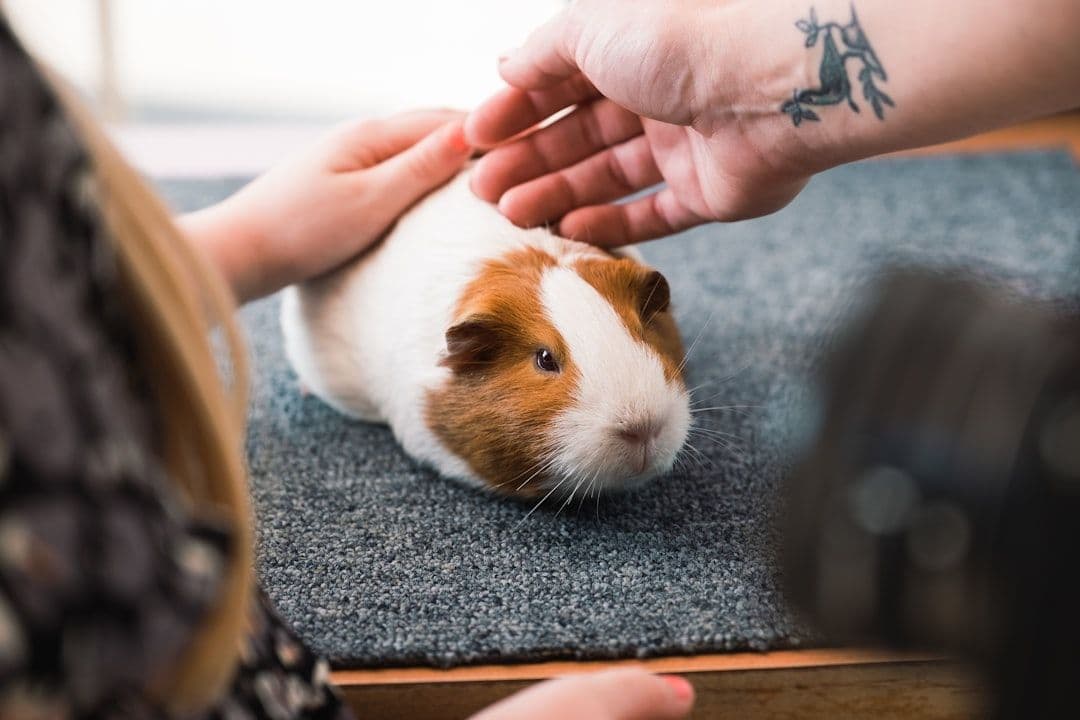
The practitioner places their hands gently on or just above your animal's body, typically starting at the head or shoulders. They'll work systematically through different areas - neck, back, sides, and limbs - spending 2-5 minutes in each position. The touch remains light and non-manipulative throughout.
Your animal remains free to move, and authentic practitioners will follow their lead. Some animals settle immediately into relaxed positions. Others may move around initially before finding a comfortable spot. Forcing participation contradicts Reiki principles.
Total session time ranges from 20-45 minutes, depending on your animal's response and the practitioner's assessment. The room typically remains quiet, though some practitioners use soft background music.
What Your Animal Might Experience
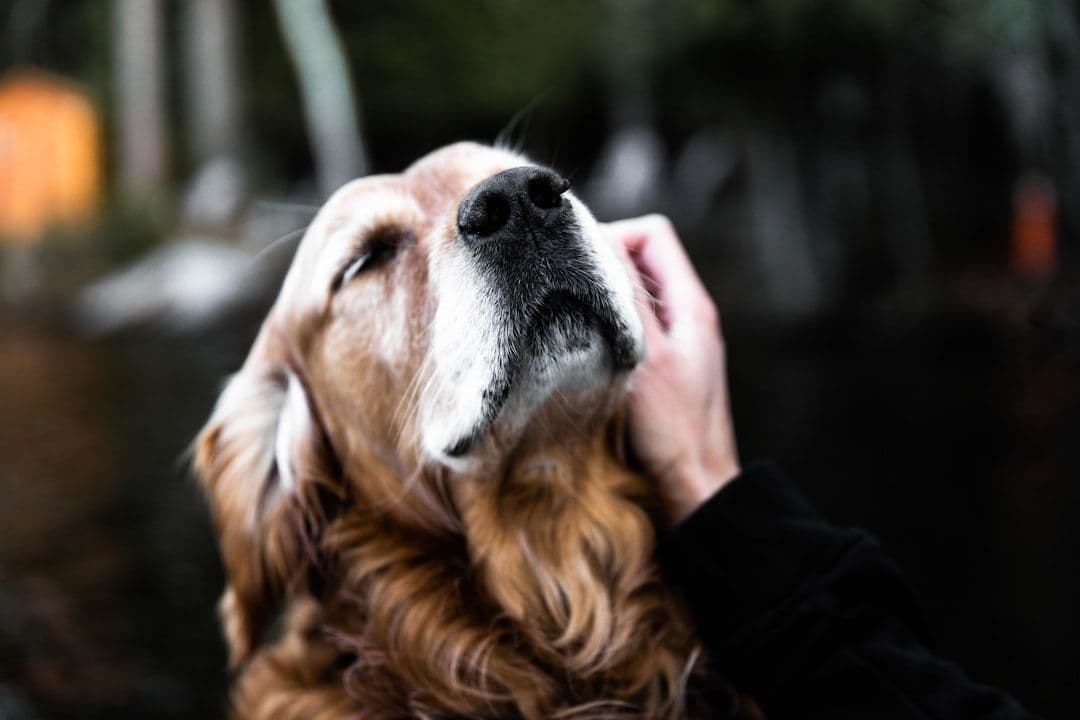
Many animals show visible relaxation responses - deeper breathing, lowered head position, or settling into a lying position. Some become drowsy or fall asleep entirely. Others remain alert but appear calmer than usual.
Physical responses vary significantly. Some animals lean into the practitioner's hands, while others prefer minimal contact. Cats might purr, dogs may sigh deeply, and horses often lower their heads. Temporary restlessness isn't uncommon, particularly in the first session.
After the session, animals often appear more settled or may be unusually sleepy for several hours. Some show increased affection towards their owners. Others might drink more water than usual or seek out quiet resting spots.
Not all animals respond obviously during treatment. Absence of visible reaction doesn't indicate the session was ineffective, according to practitioners. Internal responses may manifest over the following days through improved sleep patterns or reduced anxiety behaviors.
Aftercare and What Follows
Allow your animal to rest quietly for the remainder of the day if they choose. Avoid strenuous exercise or exciting activities for 4-6 hours after treatment. Provide fresh water, as some animals increase their fluid intake following sessions.
Changes in behavior or wellbeing typically emerge over 2-3 days rather than immediately. Keep a simple log of your observations - sleep quality, appetite, energy levels, and any behavioral shifts. This information helps both you and your practitioner assess the treatment's effectiveness.
Some animals experience temporary mild restlessness or emotional release in the 24 hours following treatment. This usually resolves quickly, but contact your practitioner if you're concerned about any responses.
Maintain normal feeding, exercise, and medication routines unless specifically advised otherwise. The practice is designed to work alongside your animal's existing care regimen, not replace it.
How Many Sessions Are Typical?
Most practitioners recommend an initial series of 3-4 sessions, scheduled 5-7 days apart, to establish whether your animal responds positively to the approach. This timeframe allows for cumulative effects while avoiding over-treatment.
For chronic conditions or ongoing stress management, monthly sessions are common once initial benefits are established. Some animals benefit from more frequent treatment during stressful periods - house moves, illness recovery, or seasonal anxiety patterns.
Acute situations might require different scheduling. Animals recovering from surgery or trauma sometimes receive 2-3 closely spaced sessions, then transition to longer intervals. The approach emphasizes individualized response rather than fixed protocols.
Your animal's behavior provides the clearest guidance. Sustained improvements in wellbeing, reduced stress responses, or better adaptation to challenging situations suggest the treatment suits them. Lack of change after 4-6 sessions typically indicates this approach may not be effective for your particular animal.