What it is
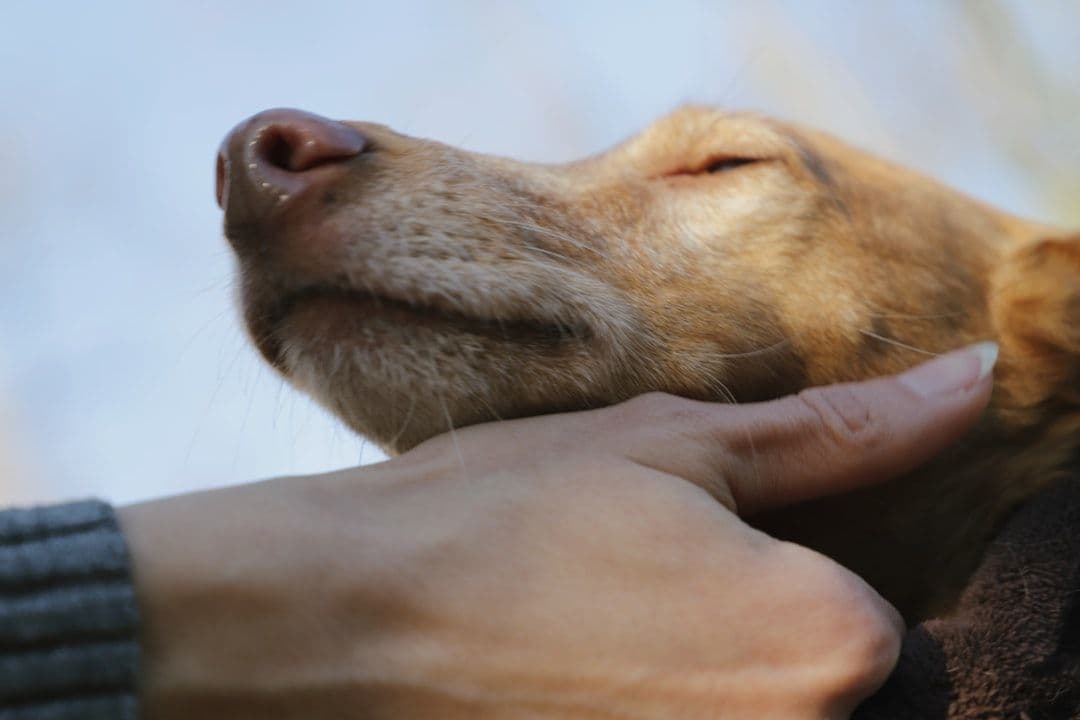
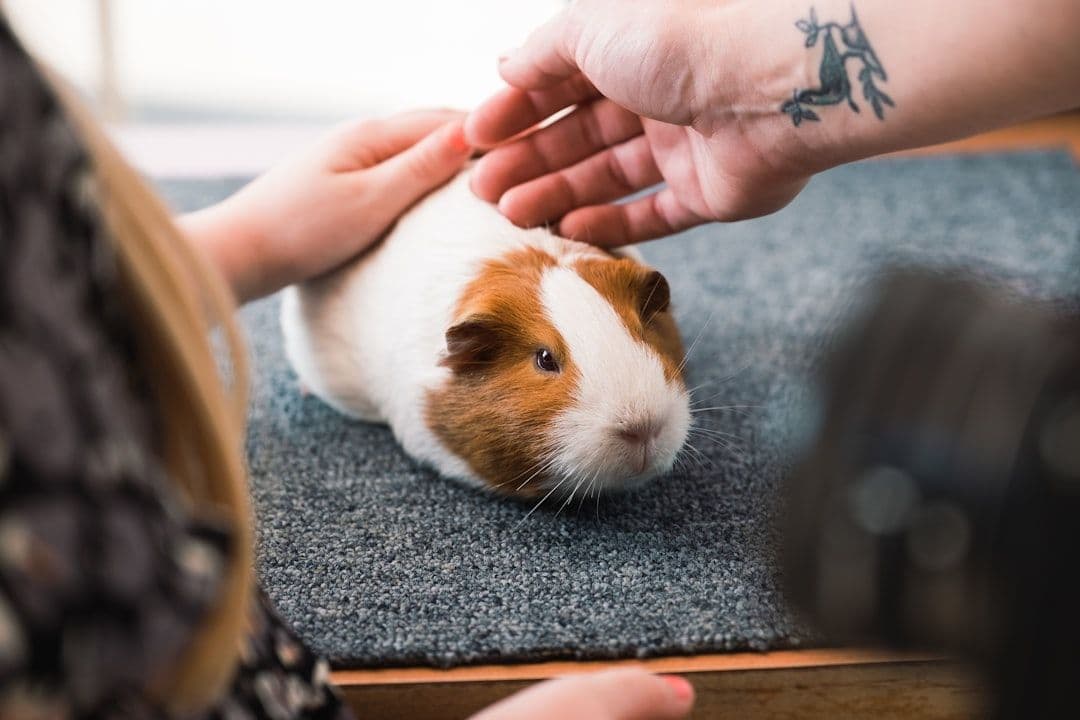
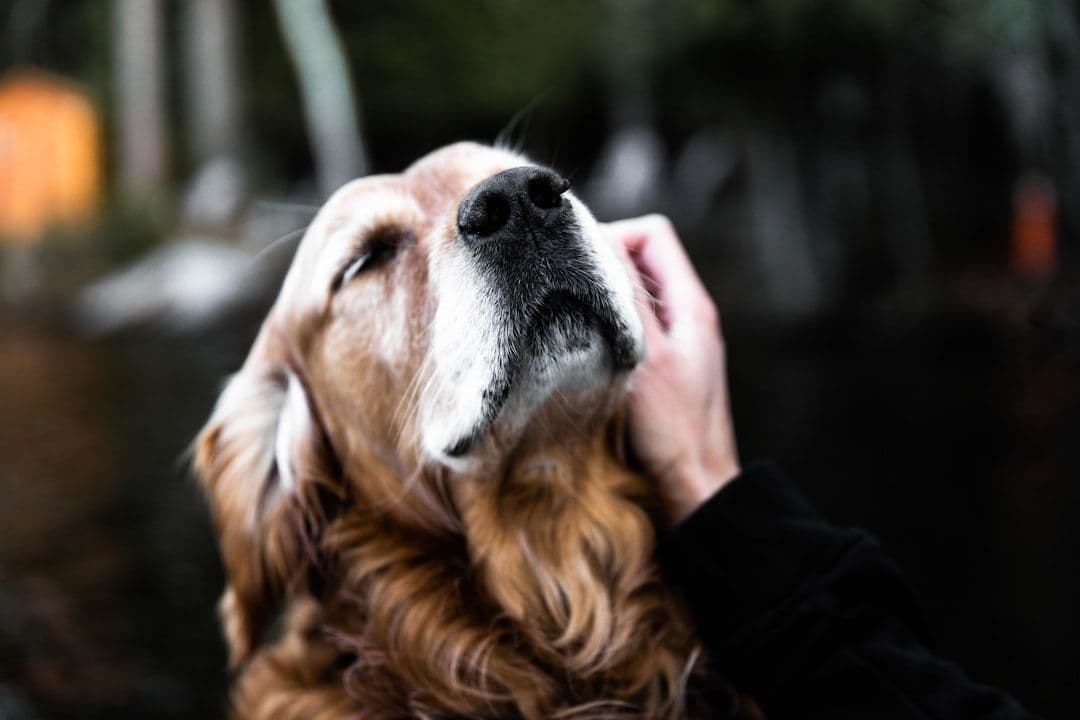
Animal Reiki uses calm, focused intention to invite relaxation — always on the animal's terms.
Animal Reiki adapts Reiki-style non-invasive energy healing sessions for animals, typically emphasizing calm handling, relaxation, and ow...
At a glance
What it is
Animal Reiki uses calm, focused intention to invite relaxation — always on the animal's terms.
Why explore it
It may ease stress, smooth big transitions, and gently deepen the bond between animals and caregivers.
How it’s experienced
A practitioner holds quiet intention nearby while the animal freely chooses how much to engage.
Evidence context
Research is limited and early, so findings are promising but should be interpreted with care.
See the evidence snapshotSafety
It's low-risk when animal-led, but never a substitute for veterinary care when health concerns arise.
See staying safeHistory & Origin
Animal Reiki is a gentle, energy-based healing practice that promotes balance and wellness in animals.
Reiki originated in early 20th-century Japan and later expanded globally as a complementary practice. Its use with animals developed through practitioner communities and is commonly framed as a gentle, low-contact approach intended to support relaxation and bonding.
Mechanism
Animal Reiki is best framed as a traditional, symbolic, energetic, reflective, or spiritual practice rather than a validated medical mechanism. Practitioners may use ritual, attention, sound, imagery, touch-free work, cards, symbols, prayer, or intention to support meaning-making and a sense of connection. People may explore it for reflection, calm, or spiritual context, while health claims should remain cautious and personal. Animal Reiki practitioners place their hands on or near an animal's body, or work at a distance, with the intention of channeling universal life force energy to promote relaxation and balance.
Your first visit
A typical session outline to help you feel prepared
A gentle, animal-led energy session where your pet sets the pace and a practitioner channels calming Reiki energy to support relaxation and wellbeing.
You and your pet arrive and the practitioner takes a few minutes to learn about your animal's history, temperament, and any stress or behavioral concerns you've noticed lately.
Before any touch occurs, the practitioner quietly observes your animal's body language, posture, and movement to get a sense of their energetic state and comfort level.
The practitioner takes a moment to ground and center themselves, setting a calm intention and opening to channel Reiki energy before approaching your animal.
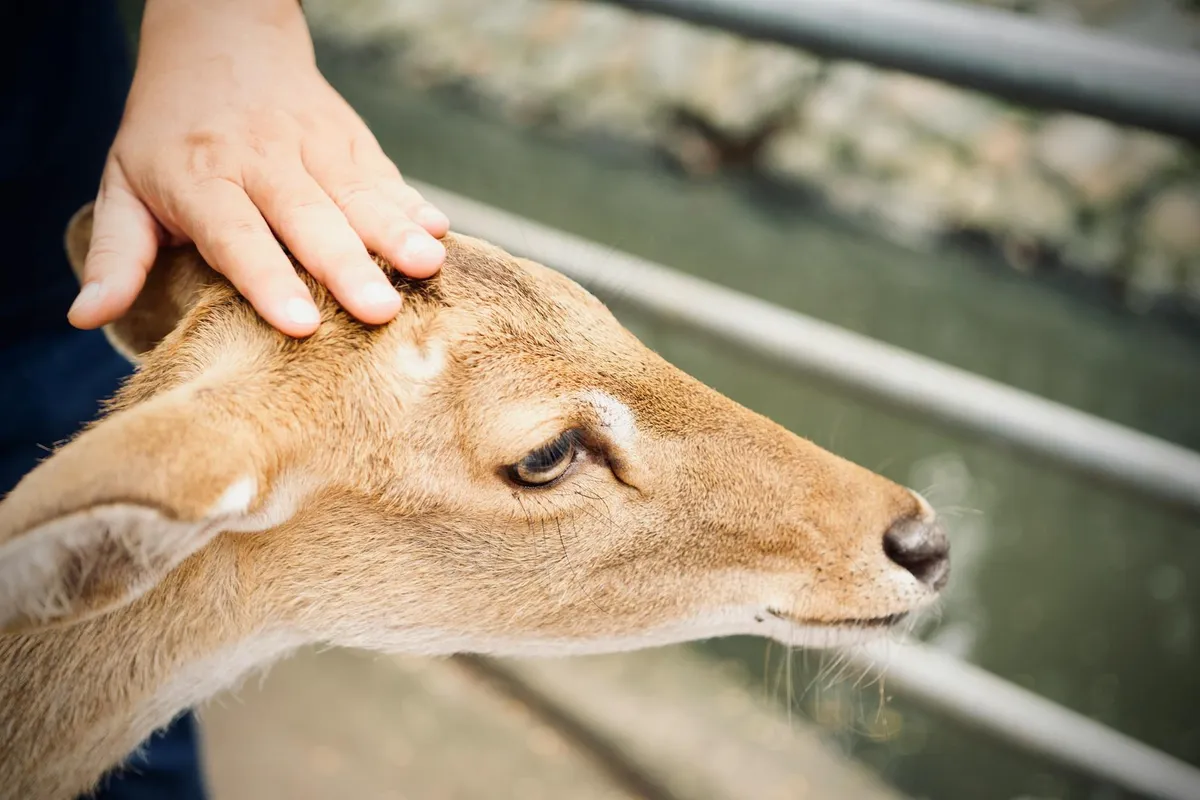
Your pet is never restrained or forced into position. The practitioner waits for the animal to acknowledge their presence, move closer, or simply settle nearby at their own pace.
Using light touch or hands held just off the body, the practitioner offers Reiki energy around key areas your animal naturally accepts, following their cues throughout the session.
You may notice your animal yawning, sighing, lying down, or growing drowsy — these are common signs of deep relaxation as the session progresses.
The practitioner slowly withdraws their hands, takes a grounding breath, and gives your animal a quiet moment to reorient before the session formally ends.
The practitioner shares observations from the session and may suggest simple at-home calming routines, environmental adjustments, or behaviors to watch for in the days ahead.
The Evidence
What the research says about Animal Reiki, where evidence is limited, and how it fits alongside veterinary care.
A low-risk adjunct practice with sparse animal-specific research
Animal Reiki is supported by practitioner tradition and anecdotal reports rather than robust clinical trials. Human biofield therapy research exists but carries methodological limitations, and species-specific evidence remains very limited.
No substantial body of animal-specific clinical trials exists for Reiki. Human biofield therapy literature shows mixed results and is frequently critiqued for small sample sizes and methodological inconsistency. Animal Reiki is best understood as a low-risk adjunct wellbeing practice rather than a clinically validated intervention.
Developed in Japan in the 1920s, Reiki spread globally as a complementary relaxation practice. Its application to animals emerged through practitioner communities and is framed as a gentle, low-contact approach intended to support calm and bonding rather than to address specific conditions.
Within a holistic framework, Animal Reiki may contribute to relaxation, stress reduction, and calm handling routines. It is commonly used alongside veterinary care during transitions such as adoption, travel, or end-of-life support. It does not replace professional veterinary assessment or treatment.
Practitioners place hands on or near the animal, or work remotely, with the intention of promoting relaxation. Animals are not restrained or manipulated. Sessions are generally brief and calm. Animals showing fear or avoidance should never be forced to participate.
This practice should not be used as a substitute for professional veterinary assessment. Any signs of pain, appetite change, breathing difficulty, neurological change, or worsening symptoms require prompt veterinary attention. Animals that are fearful of handling should not be pressured to participate in sessions.
Animal Reiki is not regulated in most countries. Training programmes vary in depth and credentialing. Look for practitioners who communicate transparently, avoid inflated outcome claims, and actively support veterinary care rather than positioning Reiki as a replacement for it.
Safety first
General guidance to help you decide whether this approach is appropriate for you. This is informational only and not a substitute for medical, psychological, or professional advice.
Some situations call for extra care or a different approach. Share any conditions, injuries, or sensitivities with your practitioner before your first session.
If your animal is unwell, injured, recovering from surgery, or on medication, check with a qualified veterinarian before booking a session.
Look for clear boundaries, transparent pricing, and practitioners who avoid fear-based claims or pressure to book frequent sessions.
Watch your animal for tenderness, tiredness, or changes in behaviour afterwards, and contact the practitioner or your vet if anything seems off.
For you?
A simple, human way to weigh it up. This is general guidance, not personal medical advice — a qualified practitioner can advise on your situation.
Gyfts is a discovery platform, not a medical provider. Nothing here diagnoses, treats or replaces professional care. In an emergency, contact your local emergency number.
Explore approaches
Other practices people often explore alongside animal reiki.
In their words
FAQ
Yes, it is commonly positioned as a supportive wellbeing practice. It should complement—not replace—appropriate veterinary diagnosis and treatment.
Species-specific evidence is limited. The broader Reiki research base is mainly in humans and is mixed, with common concerns about small samples and study design.
Animal Reiki applies the same Reiki energy healing principles to animals — offering the Reiki practitioner's presence and intention to facilitate relaxation, stress reduction, and energetic support. Unlike human Reiki sessions, the practitioner typically allows the animal to choose whether to engage — hands may be held near but not on the animal, and the animal moves toward, away from, or in and out of the healing space according to its own instinct. This consent-based approach, developed by practitioners like Kathleen Prasad, is considered essential for authentic animal Reiki practice.
Owners commonly report that animals become calmer, sleep more deeply, seem more settled, and show reduced anxiety or fear responses following Reiki sessions. For animals recovering from illness or surgery, Reiki is used as a supportive complementary tool alongside veterinary care. For animals in shelters, rescue situations, or with trauma histories, Reiki is increasingly used to support trust-building and emotional healing. Scientific evidence for animal Reiki specifically is limited, but the general evidence base for the relaxation response in humans applies in principle.
Reiki is considered one of the safest complementary approaches for animals — it is non-invasive, uses no substances, and requires no restraint. The consent-based approach means the animal determines its own level of engagement. There are no known harmful effects. It should never be used instead of veterinary care for illness or injury, but it carries no contraindications in itself. The main concern is that an inexperienced practitioner might misread an animal's distress signals — quality training always includes learning to read species-specific communication accurately.
References
Educational sources that inform this overview. Inclusion is for context and does not imply endorsement.
Full citations are maintained by the Gyfts editorial team and reviewed periodically.
Keep exploring
Browse practitioners, explore honest overviews, and take what you learn to a conversation — at your own pace.