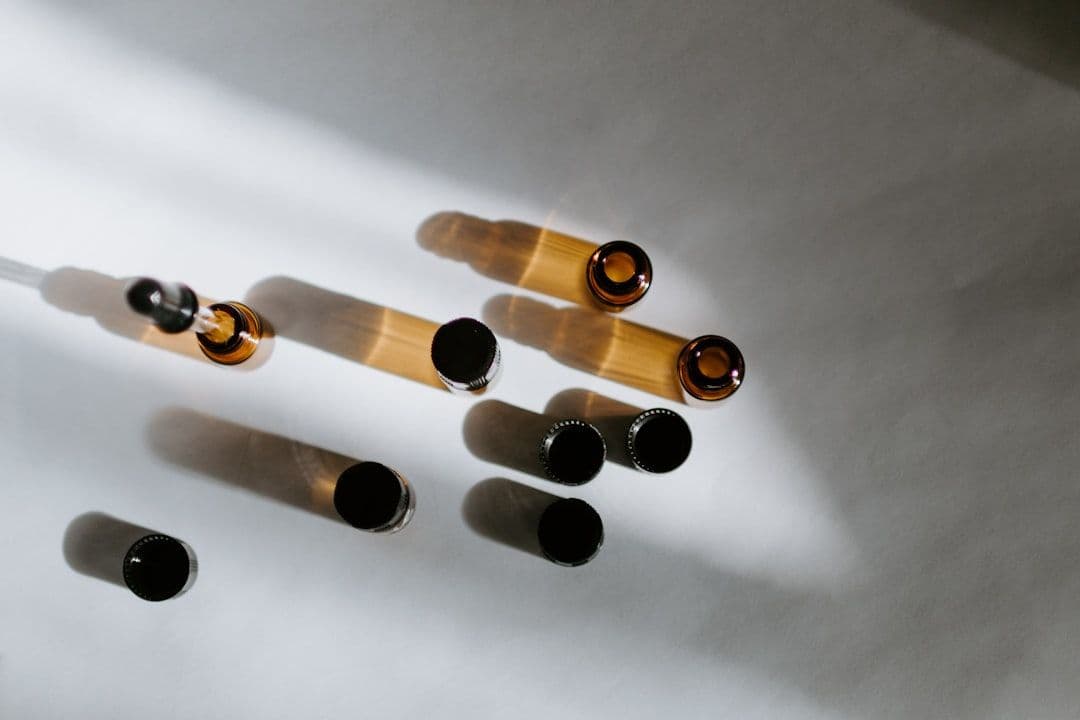
What Modern Apothecary Practice Involves
The apothecary practitioner measures dried calendula petals into a glass jar, adds vodka to cover, then seals it for a six-week maceration. This scene — part chemistry, part craft — captures modern apothecary practice, where traditional plant medicine meets contemporary preparation methods.
Today's apothecaries prepare personalized botanical remedies using time-tested techniques: alcohol tinctures that concentrate active compounds, gentle herbal teas for daily use, topical salves for skin conditions, and aromatic preparations. Unlike mass-produced supplements, these remedies are typically made in small batches, often customised for individual needs based on detailed consultation.
The practice differs from clinical herbalism primarily in its emphasis on preparation methods and traditional formulating approaches. Where a medical herbalist might focus on evidence-based prescribing, an apothecary practitioner often draws more heavily on traditional plant preparation wisdom, creating remedies using methods passed down through generations of plant medicine makers.
Historical Roots and Evolution
The word "apothecary" derives from the Greek "apotheke," meaning storehouse, reflecting these practitioners' role as keepers of medicinal substances. Medieval apothecaries were among the first healthcare professionals, preparing and dispensing remedies from their shops, often doubling as early pharmacists and medical advisors.
In Britain, the Worshipful Society of Apothecaries, established in 1617, originally regulated both medicine preparation and medical practice. Many famous physicians, including John Keats, trained as apothecaries before the professions separated in the 19th century.
Contemporary apothecary practice emerged from this historical tradition but adapted to modern contexts. Today's practitioners often combine traditional European herbalism with influences from Ayurveda, Traditional Chinese Medicine, or indigenous plant traditions. The craft aspect remains central — the careful selection of plants, precise preparation methods, and understanding of how different extraction techniques affect therapeutic compounds.
How Preparation Methods Work
Modern apothecary practice operates on the principle that preparation method significantly affects a plant's therapeutic properties. A skilled practitioner understands that water-soluble compounds extract differently than alcohol-soluble ones, and that heat can enhance or destroy certain therapeutic constituents.
Tinctures use alcohol or glycerine to extract both water- and alcohol-soluble compounds, creating concentrated preparations with long shelf lives. Cold infusions preserve heat-sensitive compounds, while hot decoctions draw out minerals and tough plant constituents. Topical preparations like salves combine oil-extracted plant compounds with beeswax for skin application.
From a biomedical perspective, these methods make biochemical sense. Many documented therapeutic compounds in plants — such as flavonoids, alkaloids, and volatile oils — have different solubility profiles and stability characteristics. Traditional preparation methods often align with what modern pharmacognosy tells us about optimal extraction techniques, though practitioners typically rely more on experiential knowledge than laboratory analysis.
The Consultation and Preparation Process
An apothecary consultation typically begins with detailed questions about your health concerns, energy patterns, sleep quality, digestion, and current medications. Practitioners often ask about your constitution — whether you tend to run hot or cold, prefer different tastes, or have particular sensitivities. This assessment guides both plant selection and preparation method.
The practitioner then selects herbs based on both your specific concerns and their understanding of plant energetics — warming herbs for cold conditions, cooling plants for inflammation, nervines for stress-related issues. They consider how plants work together, avoiding combinations that might work at cross-purposes.
Preparation happens in the practitioner's workspace, often visible to clients. You might watch your tincture being prepared, or learn to make a particular tea blend yourself. Many practitioners provide detailed instructions for taking your remedies, including timing, dosage, and what responses to expect. Follow-up consultations allow for formula adjustments based on your response.
Evidence and Effectiveness Context
The evidence base for apothecary practices varies dramatically depending on the specific herbs used. Some botanical medicines have substantial clinical support — echinacea for upper respiratory infections, St. John's wort for mild depression, or willow bark compounds that led to aspirin development.
However, most apothecary practice relies on traditional use evidence rather than clinical trials. This creates a complex evidence picture: individual herbs may be well-studied, but traditional combinations and preparation methods rarely undergo rigorous testing. Systematic reviews consistently note that herbal medicine research faces significant methodology challenges, including standardisation difficulties and variations in preparation quality.
Many people report positive experiences with apothecary preparations, particularly for chronic digestive issues, sleep disturbances, and stress-related symptoms. Clinical experience suggests that personalized formulations may work better for some individuals than standardized products, though this remains difficult to study systematically. The placebo effect likely contributes to some reported benefits, but this doesn't negate potential therapeutic value.
Finding Qualified Practitioners and Practical Considerations
Look for practitioners registered with the CNHC (Complementary & Natural Healthcare Council) or who hold qualifications from recognized herbal medicine schools such as the College of Phytotherapy, Heartwood Institute, or similar institutions. Many qualified practitioners also belong to professional organizations like the National Institute of Medical Herbalists or the College of Practitioners of Phytotherapy.
Consultations typically cost $60-120 initially, with follow-ups around $40-80. Prepared remedies add $15-40 per preparation, depending on complexity and ingredients. Some practitioners offer preparation workshops where you learn to make basic tinctures or teas yourself.
Expect to commit to at least 6-8 weeks for most chronic concerns, as botanical medicines typically work more gradually than pharmaceutical medications. Keep detailed notes about any changes you notice — energy levels, sleep quality, digestive changes — as this information helps your practitioner adjust formulations. Always maintain open communication with your primary care doctor, especially if you're taking prescribed medications or managing serious health conditions.