What It Is
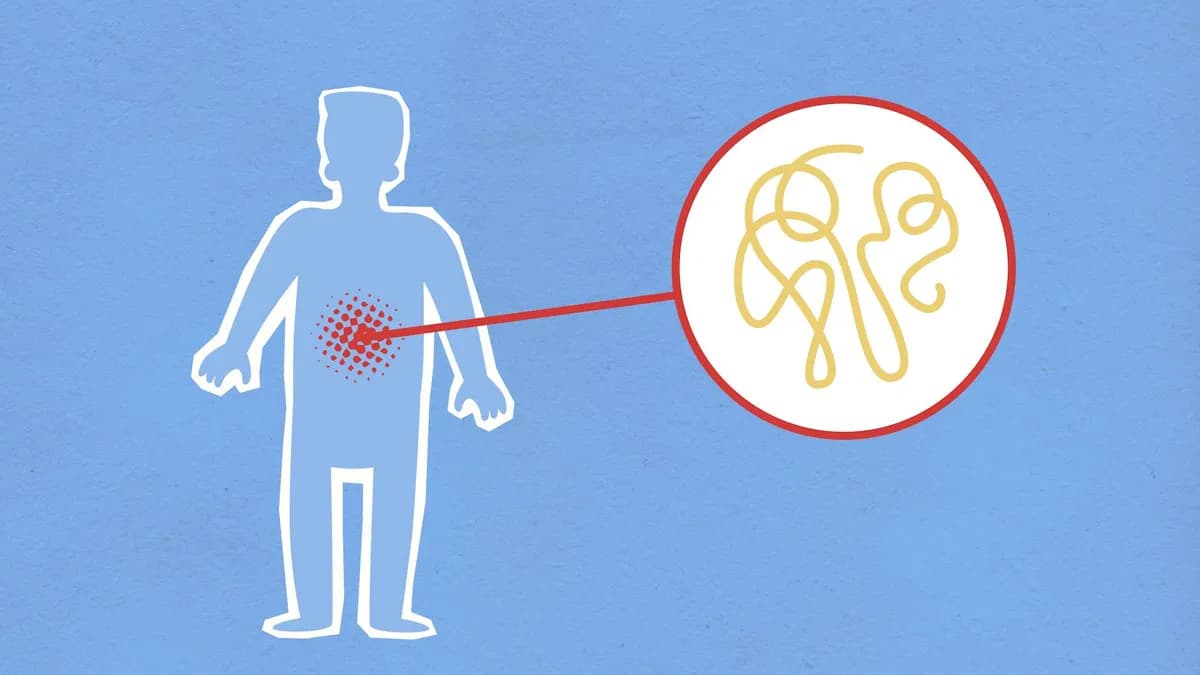
IBS is a functional gut condition causing pain, bloating, and irregular bowel habits with no structural damage.
Understanding your gut and finding what brings relief
At a glance
What It Is
IBS is a functional gut condition causing pain, bloating, and irregular bowel habits with no structural damage.
How It Presents
Cramping, bloating, urgency, gas, and bowel changes that often fluctuate with stress and daily life.
What May Help
Dietary changes, stress management, gut-directed therapies, and lifestyle adjustments are commonly explored.
Evidence Context
Strong evidence supports low-FODMAP diets and gut-directed hypnotherapy; other approaches vary in research depth.
See the evidence snapshotWhen to Seek Help
See a doctor if symptoms persist, worsen, or if any alarm signs like blood in stool or weight loss appear.
Explanation
IBS is one of the most common digestive conditions, affecting roughly 10–15% of people globally. It is characterised by recurring abdominal discomfort, bloating, and changes in bowel habits — including diarrhoea, constipation, or both — without any identifiable structural cause. The gut-brain axis plays a central role, and psychological stress, diet, and gut microbiome composition all influence symptom patterns. Many people with IBS find conventional medicine addresses symptoms without resolving root causes, making holistic approaches particularly valued.
Could this be you
IBS & Digestive Issues shows up differently for everyone. Browse by how it tends to be felt — these are common experiences, not a checklist or a diagnosis.
Common experiences people describe — not a diagnostic checklist.
Why it happens
IBS & Digestive Issues usually comes from a mix of factors rather than a single cause. These are common contributors — not certainties.
Differences in gut-brain signaling and intestinal sensitivity may make the digestive tract more reactive to normal stimuli in some people.
Chronic stress and anxiety may disrupt gut motility and heighten visceral sensitivity, often triggering or worsening IBS flares.
A history of gut infections, antibiotic use, or dietary patterns high in fermentable foods may contribute to microbial imbalance and symptom onset.
Poor or disrupted sleep may amplify gut sensitivity and reduce the body's ability to regulate digestive function the following day.
What happens in the body
IBS & Digestive Issues can involve several of the body’s systems. These are common patterns researchers describe — how they show up varies from person to person.
Bidirectional signaling between the enteric nervous system and the brain may become dysregulated, amplifying pain perception and altering bowel motility patterns.
Shifts in microbial diversity and possible increases in intestinal permeability may contribute to bloating, altered stool consistency, and localized immune activation.
Low-grade mucosal inflammation and mast cell activity in the gut lining may heighten visceral sensitivity and drive recurring abdominal discomfort.
Chronic psychological stress can elevate cortisol and alter gut motility through the hypothalamic-pituitary-adrenal axis, potentially worsening symptom frequency and severity.
Process
Management
A structured elimination and reintroduction plan that some people find significantly reduces bloating, pain, and unpredictable bowel habits by identifying personal food triggers.
A doctor may discuss antispasmodic options to help manage cramping and bowel urgency; these are commonly used in conventional IBS care and work for some individuals.
Approaches such as cognitive behavioral therapy and gut-directed hypnotherapy may support symptom management by addressing the strong gut-brain connection seen in IBS.
Certain probiotic strains are commonly explored to support gut microbial balance; some people find specific formulations helpful, though responses vary between individuals.
Gradually increasing soluble fiber intake alongside consistent hydration may support more regular bowel patterns for people with both diarrhea-predominant and constipation-predominant IBS.
Self-Care
Temporarily removing high-FODMAP foods such as onions, wheat, and certain fruits may support symptom relief for many people with IBS. A registered dietitian can guide reintroduction safely.
Large meals can overwhelm a sensitive gut. Some people find that spreading food intake across four to five smaller meals throughout the day helps reduce bloating, urgency, and post-meal cramping.
Because the gut and brain communicate closely, practices like diaphragmatic breathing, yoga, or mindfulness meditation may support a calmer digestive response, particularly around symptom flares tied to stress.
Gentle aerobic activity such as walking or swimming for 20 to 30 minutes most days may support more regular bowel habits and help reduce the bloating and sluggishness some people experience with IBS.
Tracking meals, stress levels, sleep, and symptoms over two to four weeks can help identify personal triggers. Some people find this practical awareness more useful than following generic dietary rules alone.
The Evidence
What research and clinical practice currently suggest about IBS and approaches to managing digestive symptoms.
IBS is well-studied, with multiple supported approaches
IBS affects around 10–15% of people globally and has a well-established evidence base for dietary, behavioural, and complementary strategies. No single approach works for everyone, but several options have meaningful research support.
The low-FODMAP diet has strong clinical trial support for reducing bloating, pain, and bowel irregularity in many people with IBS. Gut-directed hypnotherapy and cognitive behavioural therapy also have solid evidence. Probiotic research is active but results vary by strain and individual. Overall, the evidence base is broader than for many functional conditions.
Acupuncture has been studied for IBS with some positive findings for pain and quality of life, though trial quality varies. Peppermint oil has reasonable evidence for reducing abdominal cramping. Nutritional therapy approaches targeting gut microbiome health are increasingly researched. These are best used alongside, not instead of, conventional care.
IBS is strongly influenced by the gut-brain axis. Psychological stress, anxiety, and sleep disruption can directly alter gut motility and pain sensitivity. Holistic approaches that address stress regulation, sleep, and emotional wellbeing alongside diet tend to produce more sustained improvements than dietary changes alone.
Blood in stools, unexplained weight loss, severe or rapidly worsening abdominal pain, persistent vomiting, or signs of dehydration should not be attributed to IBS without professional assessment. These may indicate conditions requiring investigation. If you are unsure whether your symptoms fit an IBS pattern, a qualified practitioner can help clarify this.
Many complementary IBS studies use small samples, short follow-up periods, or inconsistent outcome measures, making it difficult to draw firm conclusions. Individual responses vary considerably. Evidence supports certain approaches for certain people — not universal benefit. Inflated outcome claims from any single intervention should be viewed with caution.
IBS management often benefits from input across multiple disciplines — a GP or gastroenterologist for assessment and monitoring, alongside a nutritional therapist, psychologist, or complementary practitioner for broader support. Inform all practitioners of any supplements, dietary changes, or therapies you are using. Do not discontinue prescribed medication without medical supervision.
Safety first
IBS & Digestive Issues is manageable, and support helps. Some situations call for prompt professional help.
Explore approaches
Practices people explore for ibs & digestive issues — alongside professional care.
FAQ
The low-FODMAP diet limits fermentable carbohydrates that can trigger gut symptoms. Strong research suggests many people with IBS find symptom relief with this approach when followed with guidance from a dietitian.
Many people notice a strong gut-brain link with IBS. Stress and anxiety may worsen symptoms, and approaches like gut-directed hypnotherapy or mindfulness may support symptom management for some individuals.
Some people find benefit from peppermint oil capsules, probiotics, or acupuncture. Evidence varies across these options, so exploring them with a knowledgeable practitioner is a sensible starting point.
Consult a doctor if symptoms are new, persistent, or disrupting daily life. Alarm signs like blood in stool, unexplained weight loss, or severe pain need prompt medical attention.
IBS symptoms often fluctuate and many people experience significant improvement with the right combination of dietary, lifestyle, and psychological support. Some find periods of minimal symptoms with consistent management.
Keep exploring
Browse practitioners, explore honest overviews, and take what you learn to a conversation — at your own pace.