Before Your Session
Arrive 15 minutes early to complete intake forms and discuss any health concerns with your practitioner. Most facilities provide changing rooms and towels, but bring comfortable swimwear—avoid anything too loose that might impede movement or too tight that restricts breathing.
Eat lightly 2-3 hours beforehand rather than arriving on an empty stomach or after a heavy meal. The warm water and gentle movements can occasionally trigger nausea if you're very hungry or very full. Remove contact lenses, jewellery, and watches before entering the pool.
Your practitioner will explain the session structure and demonstrate how they'll support you in the water. If you're nervous about being in water or being touched, mention this during your consultation. Many people find the warm, supportive environment more comforting than they anticipated.
The Session Unfolds
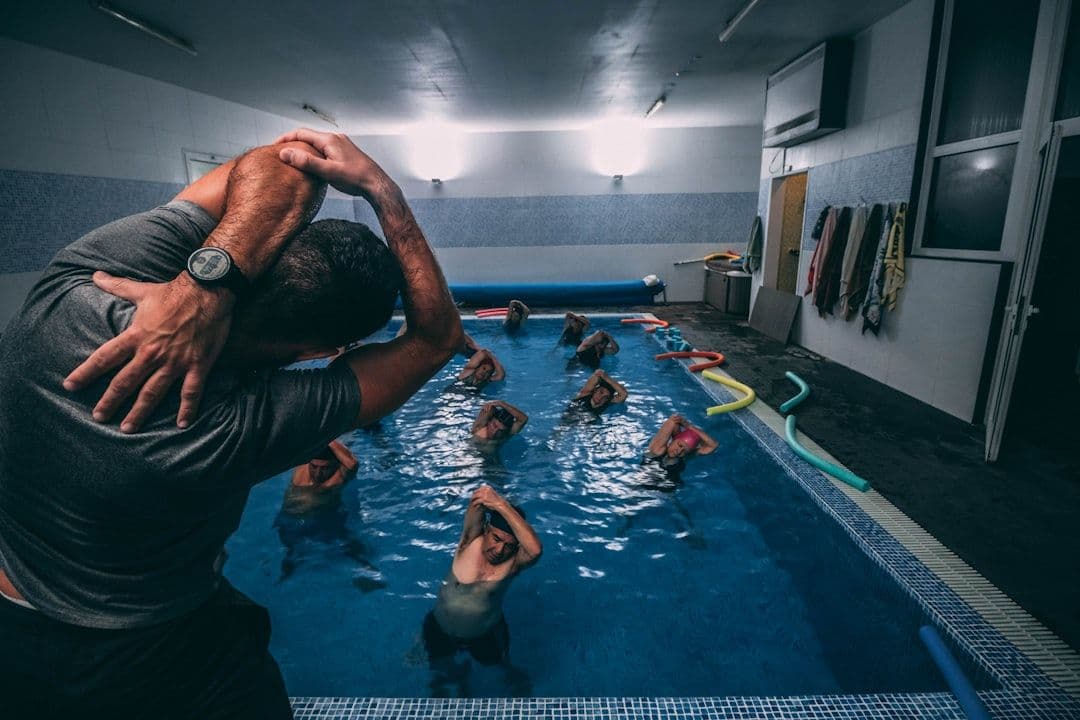
You'll enter a warm pool heated to 32-35°C—noticeably warmer than a typical swimming pool. The depth usually reaches your chest when standing, allowing your practitioner to work comfortably whilst you remain fully supported. Sessions typically last 60-90 minutes.
The first 10-15 minutes involve acclimatisation. Your practitioner guides you into a supported floating position, often beginning with you semi-reclined whilst they cradle your head and neck. This initial phase allows your nervous system to adjust to the weightless sensation and warm water.
The main treatment follows a flowing sequence of supported movements. Your practitioner moves you gently through stretches, rotations, and undulating motions that would be impossible on land. You might experience figure-of-eight patterns, gentle spinal twists, or limb mobilisations—all whilst floating horizontally. The movements feel rhythmic and dance-like rather than clinical.
Throughout the session, your practitioner maintains physical contact, ensuring you never feel unsupported. They read your body's responses and adjust pressure and pace accordingly. Some practitioners work silently to promote deeper relaxation, whilst others offer gentle verbal guidance.
What You Might Experience
Most people report profound relaxation within the first 10-20 minutes. The combination of warm water, gentle movement, and continuous support often triggers the parasympathetic nervous system's relaxation response. Your breathing typically becomes slower and deeper without conscious effort.
Physical sensations vary considerably. Some people feel their muscles releasing tension in waves, whilst others notice increased awareness of areas they normally ignore. The weightless environment can make chronic pain temporarily fade, though occasionally you might become more conscious of tight spots as they begin to soften.
Emotional responses aren't uncommon. The nurturing quality of being held and moved gently can trigger unexpected feelings—from blissful calm to occasional tears. Practitioners trained in aquatic bodywork understand these responses and provide appropriate support.
After the session, many people feel simultaneously energised and deeply relaxed. This paradox often continues for 24-48 hours as your body integrates the experience. Some experience improved sleep that night, whilst others feel more mobile the following day.
Post-Session Care
Take your time leaving the pool and changing—many people feel slightly unsteady initially as they readjust to gravity's full effect. Drink plenty of water throughout the day to support your body's natural detoxification processes.
Avoid intense physical activity for the remainder of the day. Your muscles and nervous system are in a state of recalibration, and gentle movement like walking serves you better than vigorous exercise. Some practitioners recommend a warm bath with Epsom salts that evening to extend the relaxation benefits.
Pay attention to how you feel over the next 48 hours. Benefits often unfold gradually—you might notice improved range of motion the next morning or find you sleep more deeply for several nights. Equally, some people experience temporary fatigue as their body processes the session.
Book your next appointment within 1-2 weeks if you're addressing specific physical issues, as effects tend to build cumulatively. For general wellbeing, monthly sessions often provide sustained benefits.
Planning Your Treatment Course
Individual sessions provide immediate relaxation benefits, but practitioners typically recommend 3-6 sessions spaced 1-2 weeks apart for addressing specific concerns like chronic pain or mobility restrictions. This allows your nervous system to integrate each experience whilst building on previous sessions.
Response patterns vary significantly between individuals. Some people notice dramatic changes after their first session, whilst others find benefits accumulate more gradually over 4-5 treatments. Age, fitness level, and the nature of your concerns all influence this timeline.
For chronic conditions, monthly maintenance sessions often help sustain improvements once you've completed an initial series. Those using aquatic bodywork for stress management might prefer regular fortnightly or monthly appointments.
Discuss your goals during your first session to develop an appropriate treatment plan. Many practitioners combine aquatic bodywork with other therapies or recommend specific exercises to practise between sessions, particularly if you're working on mobility or pain management.