What it is
Gentle hands-on movement and stretching in warm water to support relaxation and mobility.
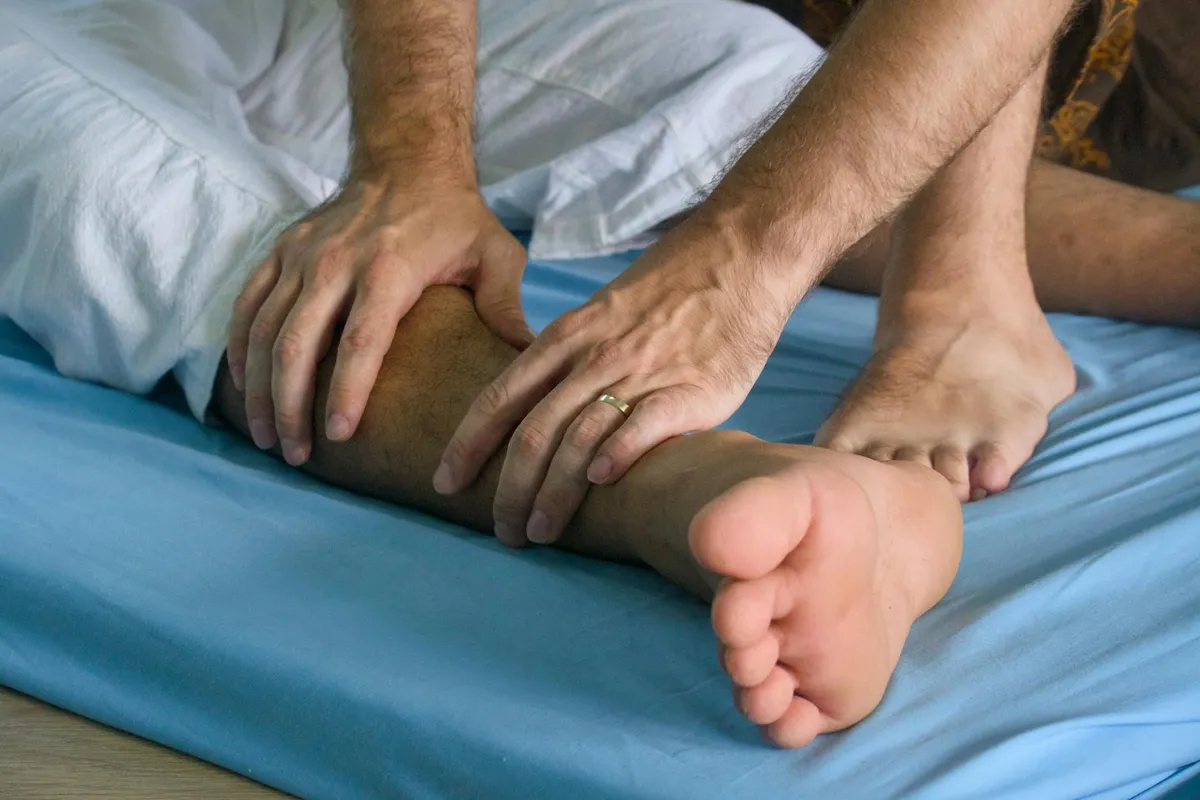
Aquatic bodywork includes hands-on movement and supported stretching performed in warm water (e
At a glance
What it is
Gentle hands-on movement and stretching in warm water to support relaxation and mobility.
Why explore it
Warm water eases joint stress and may help with chronic pain, stress, and body awareness.
How it’s experienced
A practitioner guides your body through slow, flowing movements in chest-deep warm water.
Evidence context
Early research shows promise for pain and mood, but evidence is limited and still growing.
See the evidence snapshotSafety
Generally low-risk with a trained practitioner, though some health conditions need extra care.
See staying safeHistory & Origin
Aquatic Bodywork involves therapeutic techniques performed in warm water, promoting relaxation and healing.
Modern aquatic bodywork modalities developed alongside aquatic therapy and warm-water rehabilitation practices, blending manual techniques with the buoyancy and thermal effects of water.
Top symptoms
Mechanism
Aquatic Bodywork is generally described as working through skilled touch, careful pacing, and the body's response to pressure, movement, warmth, or stillness. Practitioners may focus on muscle tone, joint comfort, circulation, breath, or relaxation depending on the method. Traditional explanations may also include energy flow or whole-person balance. Research support varies by modality, so the experience is best framed as supportive care with outcomes that vary. Aquatic Bodywork combines manual therapeutic techniques—such as stretching, massage, and gentle mobilization—with water's inherent properties of buoyancy, warmth, and resistance.
Your first visit
A typical session outline to help you feel prepared
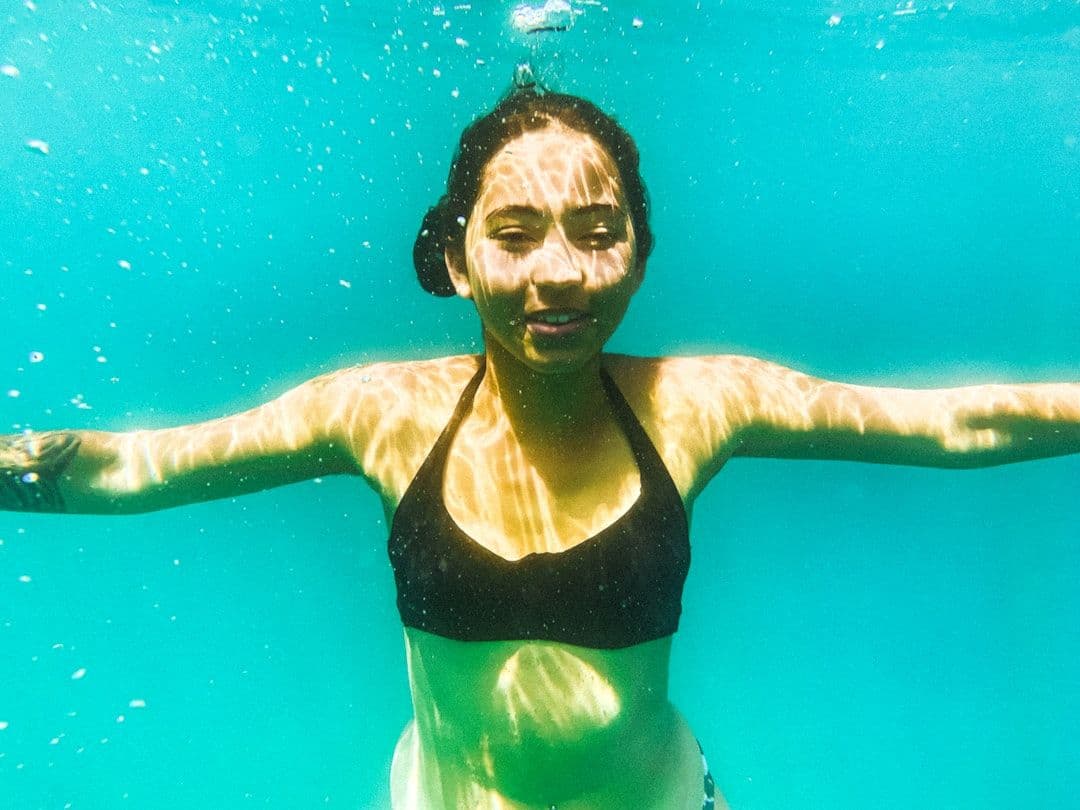
You'll float in warm water while a practitioner gently guides your body through movements, stretches, and stillness in a deeply relaxing, supported experience.
Before entering the water, your practitioner walks you through your health history, any concerns, and what to expect. This is a great time to mention injuries, water comfort level, or anxiety.
You'll wear a swimsuit and may be offered nose clips since your face may occasionally near the water. The pool is kept around 95–96°F, close to body temperature, so it feels immediately soothing.
Your practitioner fits foam floats around your knees and sometimes your neck to keep you effortlessly buoyant. You'll practice simply floating so your body can start to release tension before the session begins.
Your practitioner places their hands under your back and head, inviting you to slow your breath. As you exhale, your body naturally softens and sinks slightly, signaling your nervous system to relax.
Using gentle, flowing movements, your practitioner rocks, rotates, and stretches your body through the water. Joints, hips, and the spine are often the focus, and sensations may feel like a slow, weightless dance.
With your clear consent, some techniques may briefly bring your face near or under the water while a nose clip is worn. These moments often feel surprisingly peaceful and deeply inward, though you alw
Your practitioner may pause in stillness, holding you gently while you absorb the session. These quiet moments are when many people notice emotional release, deep calm, or a sensation of spaciousness in the body.
You are slowly guided back to a standing position and given time to reorient before leaving the pool. Your practitioner may offer water to drink and encourage you to rest gently for the remainder of the day.
The Evidence
What research and practice currently tell us about Aquatic Bodywork — and where the evidence is still developing.
Early-stage research with promising signals in specific areas
Aquatic Bodywork, including WATSU, has a small but growing body of research suggesting short-term benefits for relaxation, pain coping, and mood in some populations. Study quality varies and larger trials are needed before strong conclusions can be drawn.
Systematic reviews of WATSU and related modalities report limited-to-growing evidence with notable variation in study design and quality. Small trials suggest short-term improvements in pain, mood, and body awareness for some populations. Larger, well-controlled studies are needed before firm conclusions can be made.
Aquatic Bodywork sits within the complementary category — meaning it is generally used to support wellbeing alongside primary healthcare, not as a standalone intervention. It may complement physiotherapy, pain management programmes, or mental health support, but it is not a substitute for professional assessment or medical care.
Small clinical studies have explored Aquatic Bodywork in people with chronic pain, fibromyalgia, and stress-related concerns. Some prenatal applications have also been examined. Results are generally positive for short-term relaxation and comfort, though effect sizes and long-term outcomes remain unclear due to limited study scale.
Aquatic Bodywork is considered low-risk for most people. It should be avoided with uncontrolled epilepsy, open wounds, contagious skin conditions, severe cardiac instability, or uncontrolled incontinence. People with dizziness, water-related anxiety, or trauma histories may need adaptations. Pool hygiene and practitioner training are important safety factors.
Aquatic Bodywork modalities such as WATSU have dedicated training programmes and credentialing bodies in many countries. Look for practitioners with recognised certification, experience relevant to your needs, and access to a properly maintained warm-water facility. Discuss your health history before your first session.
Most studies are small, lack control groups, and vary in methodology, making it difficult to draw definitive conclusions. Aquatic Bodywork should not be presented as a solution for serious medical conditions, and inflated outcome claims should be viewed with caution. It is best understood as a supportive practice within a broader care approach.
Safety first
General guidance to help you decide whether this approach is appropriate for you. This is informational only and not a substitute for medical, psychological, or professional advice.
Some situations call for extra care or a different approach. Share any conditions, injuries, or sensitivities with your practitioner before your first session.
If you are pregnant, managing a health condition, recovering from injury or surgery, or taking medication, consult a qualified healthcare professional first.
Look for clear boundaries, transparent pricing, and practitioners who avoid fear-based claims or pressure to book frequent sessions.
Mild, short-lived effects such as tenderness, tiredness, or temporary soreness can occur. Rest, hydrate, and tell your practitioner how you respond.
For you?
A simple, human way to weigh it up. This is general guidance, not personal medical advice — a qualified practitioner can advise on your situation.
Gyfts is a discovery platform, not a medical provider. Nothing here diagnoses, treats or replaces professional care. In an emergency, contact your local emergency number.
Explore approaches
Other practices people often explore alongside aquatic bodywork.
In their words
FAQ
Not typically. Sessions are usually conducted in shallow warm water with continuous practitioner support, but comfort with water is important.
Not necessarily. Some aquatic sessions are therapeutic and clinically informed, but aquatic bodywork may also be relaxation-focused; credentials vary.
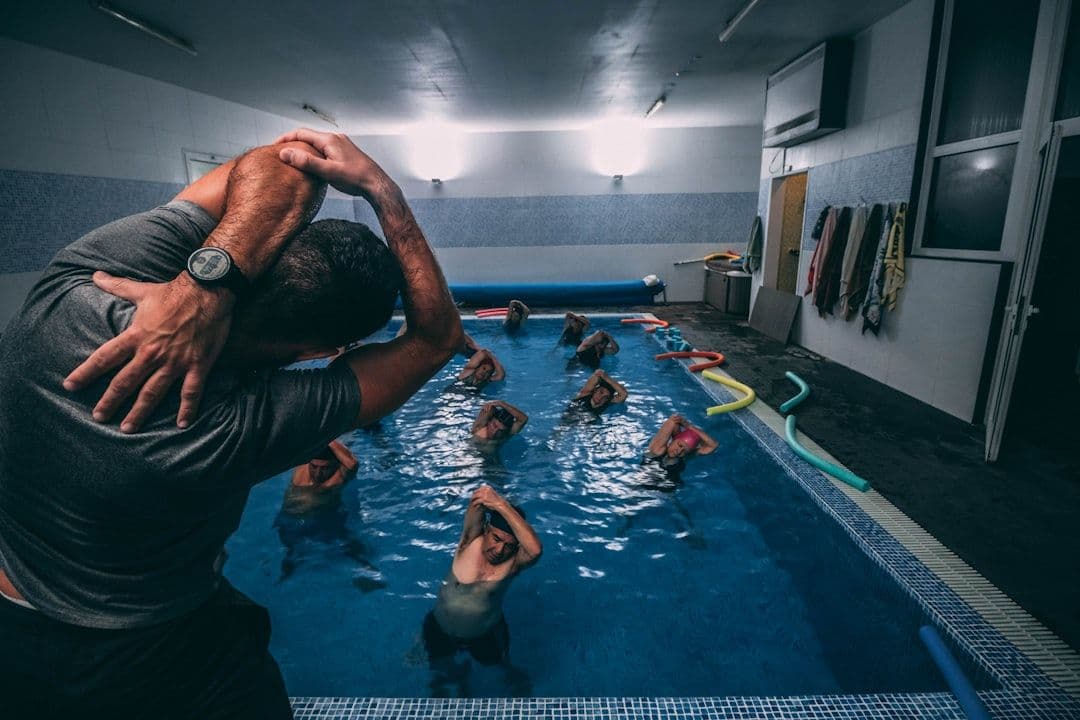
Aquatic bodywork encompasses several therapeutic modalities performed in warm water (typically 35–37°C). The main styles include Watsu (passive, flowing water shiatsu developed by Harold Dull), WaterDance (underwater movement sequences with a nose clip), Healing Dance (dynamic aquatic massage), and Jahara Technique (slow, floating sequences). All involve the practitioner supporting the recipient while performing gentle stretches, joint movements, and massage in a state of physical and psychological surrender to buoyancy. The water environment facilitates a depth of release often difficult to achieve through land-based bodywork.
Aquatic bodywork is particularly suited to people with chronic pain, fibromyalgia, restricted mobility, trauma (where gentle held movement can support nervous system healing), high stress or anxiety, and those in rehabilitation following injury. The buoyancy removes gravitational load from joints — making it accessible for people for whom land-based therapy is too painful. Contraindications include uncontrolled epilepsy, open wounds, active skin infections, urinary or faecal incontinence, severe cardiac conditions, and fear of water that cannot be worked with gently. Pregnancy is a precaution requiring modified approaches.
Most recipients describe the experience as profoundly relaxing — an unusual combination of being held, moved, and weightless simultaneously. The warm water promotes muscle relaxation; the fluid, rhythmic movements create a meditative, trance-like state. Many people report emotional release, deep peace, or a sense of being returned to an embryonic state of safety. Some experience this as immediately transformative; for others it builds over several sessions. First-time recipients sometimes feel slight disorientation or vulnerability — which the practitioner supports with gentle introduction and clear communication about what to expect.
References
Educational sources that inform this overview. Inclusion is for context and does not imply endorsement.
Full citations are maintained by the Gyfts editorial team and reviewed periodically.
Keep exploring
Browse practitioners, explore honest overviews, and take what you learn to a conversation — at your own pace.