The Practice Itself
Picture yourself lying on a wooden table as warm, aromatic oil infused with herbs cascades across your skin. The practitioner's hands move in long, rhythmic strokes, applying varying pressure to specific points your body. The oil isn't arbitrary—it's been selected based on your constitution, perhaps sesame for grounding or coconut for cooling.
This is Ayurvedic massage, where every element serves a purpose rooted in 5,000-year-old principles. Unlike conventional massage that targets muscles and soft tissue primarily, this practice addresses what Ayurvedic theory calls your dosha—your unique energetic constitution. The practitioner works to balance these fundamental energies through touch, oil selection, and timing.
The experience feels both deeply physical and subtly energetic. Practitioners focus on marma points—107 vital energy centres scattered across your body—whilst following the direction of what Ayurveda describes as nadis, or energy channels. The result is massage that feels purposeful rather than purely mechanical.
Roots in Ancient Medicine
Ayurvedic massage emerged from Ayurveda, India's traditional medical system that views health through the lens of three fundamental energies: Vata (movement and communication), Pitta (metabolism and transformation), and Kapha (structure and lubrication). Ancient texts like the Charaka Samhita, written around 400 CE, describe massage as essential for maintaining health and treating imbalances.
Traditionally, this wasn't a luxury treatment but daily medicine. Families would massage infants with specific oils, and adults would receive seasonal treatments to prevent illness. Different regions of India developed distinct styles—Kerala's Panchakarma treatments, Tamil Nadu's therapeutic approaches, and Karnataka's marma-focused techniques.
As Ayurveda spread beyond India, the massage component adapted to local contexts whilst maintaining core principles. Modern practitioners often blend traditional techniques with contemporary massage knowledge, though purists emphasise maintaining authentic methods and oil preparations.
How the Practice Works
Within Ayurvedic theory, illness stems from dosha imbalances caused by poor digestion, accumulated toxins, and disrupted energy flow. Massage addresses these issues through multiple mechanisms: the physical manipulation improves circulation and lymphatic drainage, whilst specific oils penetrate skin to deliver herbal compounds directly to tissues.
Practitioners assess your current state through pulse diagnosis, tongue examination, and detailed questioning about sleep, digestion, and energy patterns. This determines whether you're experiencing excess Vata (anxiety, dryness, erratic energy), Pitta aggravation (inflammation, irritability, heat), or Kapha accumulation (heaviness, sluggishness, congestion).
From a biomedical perspective, the warm oils and rhythmic strokes likely stimulate mechanoreceptors in the skin, potentially triggering the release of endorphins and reducing cortisol levels. The improved circulation may enhance nutrient delivery and waste removal, whilst the meditative quality of the treatment could activate the parasympathetic nervous system.
The marma point work resembles acupressure, targeting areas where Ayurvedic theory suggests energy concentrates. Modern anatomy shows these points often correspond to nerve plexuses, major blood vessels, or joint spaces.
Who Might Find This Beneficial
People dealing with chronic stress often report finding Ayurvedic massage particularly valuable. The personalised approach means treatments can be specifically tailored—cooling oils and gentle strokes for those feeling overwhelmed and heated, or warming, stimulating techniques for those experiencing lethargy and low mood.
Those with muscle tension and stiffness may appreciate the focus on marma points and directional strokes. Practitioners often report success with clients who haven't responded well to conventional massage, particularly those who seem to need a more systematic, constitutional approach rather than purely symptomatic treatment.
Individuals interested in preventive wellness rather than crisis intervention frequently gravitate toward this practice. The Ayurvedic emphasis on seasonal adjustments and regular maintenance appeals to people seeking long-term health strategies rather than quick fixes.
What to Expect During Treatment
Your first session begins with detailed consultation covering everything from sleep patterns to food preferences. Practitioners trained in traditional assessment may check your pulse at multiple points, examine your tongue, and observe your general demeanour and energy. This initial evaluation typically takes 15-20 minutes.
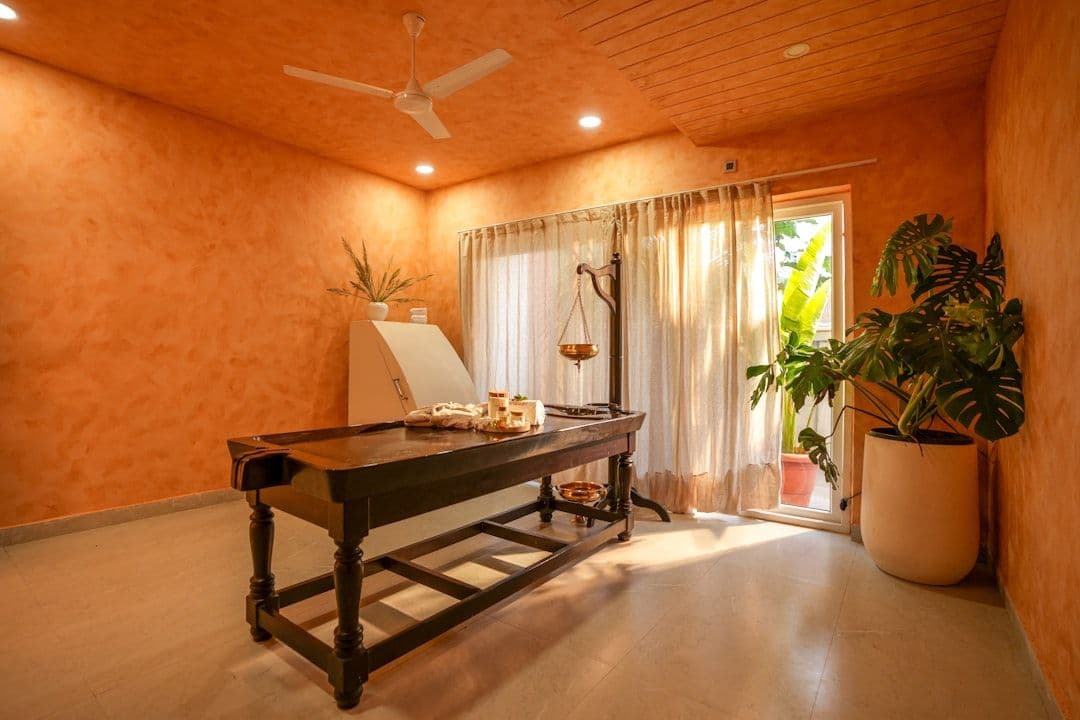
The massage itself usually lasts 60-90 minutes. You'll lie on a specially designed wooden table, often with channels to collect excess oil. The practitioner warms the chosen oil blend—perhaps sesame with ashwagandha for anxiety, or coconut with neem for inflammation—before beginning with gentle, flowing strokes.
Unlike Swedish massage, Ayurvedic techniques follow specific patterns believed to support energy flow. Strokes typically move toward the heart, with particular attention paid to marma points. The pressure varies considerably based on your constitution and current state—some receive vigorous, stimulating treatment whilst others need gentle, nurturing touch.
Expect to feel quite oily afterward. Many practitioners recommend leaving the oil on for several hours to maximise absorption, though most people shower within an hour or two.
The Evidence Landscape
Clinical research on Ayurvedic massage remains limited, with most studies focusing on specific conditions or oil formulations rather than the practice as a whole. A 2019 systematic review found promising but inconclusive evidence for stress reduction and pain management, noting that many studies suffered from small sample sizes and methodological limitations.
Some research has examined individual components—sesame oil shows anti-inflammatory properties in laboratory studies, and specific herb combinations demonstrate antioxidant activity. However, these findings don't necessarily translate to clinical benefits from the complete massage practice.
In clinical practice, practitioners consistently report positive outcomes for stress-related conditions, sleep disturbances, and musculoskeletal tension. Many clients describe feeling more balanced and energetic following regular treatments, though these benefits are difficult to measure objectively.
The lack of robust research doesn't negate potential value, but it does mean claims about specific health benefits should be viewed cautiously. The practice appears safest when viewed as supportive therapy rather than primary treatment for serious conditions.
Practical Considerations
Expect to pay £60-120 per session, with practitioners in major cities typically charging more. Initial consultations often cost slightly extra due to the extended assessment time. Many practitioners offer package deals for regular treatments, which Ayurvedic theory suggests provides greater benefit than isolated sessions.
Frequency recommendations vary based on your constitution and current health status. Some practitioners suggest weekly sessions during times of imbalance, reducing to monthly maintenance treatments once equilibrium returns. Seasonal treatments—typically at the beginning of spring and autumn—are traditionally emphasised.
Finding qualified practitioners requires careful consideration. Look for training from recognised Ayurvedic institutions, particularly those offering comprehensive programmes covering both massage techniques and Ayurvedic principles. The CNHC register includes some qualified practitioners, though not all trained therapists choose to register.
Many practitioners combine Ayurvedic massage with other traditional treatments like herbal consultations or dietary advice. Consider whether you want purely massage-focused sessions or a broader Ayurvedic approach to wellness.




