Preparing for Your Ceremony
Most ceremonial practices ask for some preparation beforehand, though requirements vary significantly depending on the tradition. You might be asked to fast for several hours, avoid alcohol for a day or two, or spend time in reflection about your intentions. Some ceremonies request specific clothing—perhaps all white, or garments with particular cultural significance—while others simply ask that you dress comfortably.
Bring items only if specifically requested. This might include photographs of loved ones, written intentions, or natural objects like stones or flowers. Many ceremonies provide everything needed, so check with your facilitator rather than assuming.
Consider your emotional state honestly. Ceremonies often create space for feelings to surface, which can be profoundly healing but also intense. If you're navigating acute grief or major mental health challenges, discuss this with the facilitator beforehand to ensure the timing feels right.
The Ceremonial Process Unfolds
Most ceremonial practices follow a recognisable arc, though specific elements vary enormously between traditions. Sessions typically begin with participants gathering in a circle or designated sacred space, often marked by candles, flowers, or other symbolic objects. The facilitator usually opens with words that acknowledge the purpose and create a sense of separation from ordinary time.
The opening phase might last 15-30 minutes and often includes introductions, sharing of intentions, or invocation of protective energies or ancestors. You'll then move into the main ceremonial actions, which could involve guided meditation, sharing stories, physical movements, or working with symbolic objects. This central portion typically runs 1-3 hours.
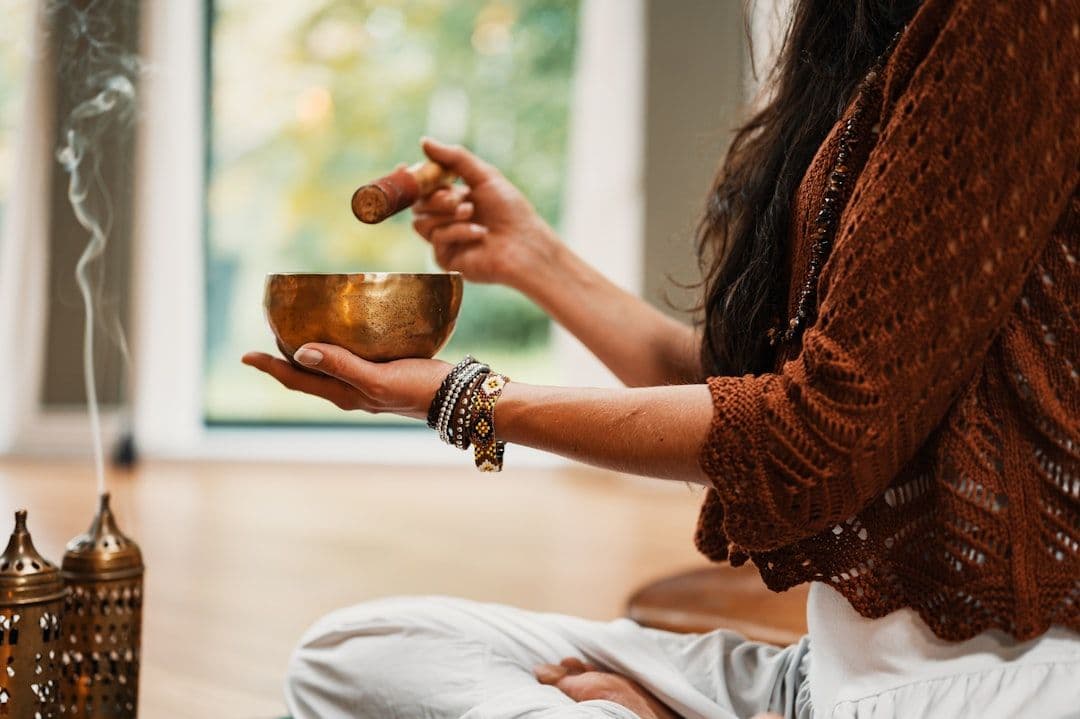
The sensory environment is usually carefully crafted. You might hear drumming, chanting, or periods of profound silence. Incense, sage, or flowers often create distinctive scents that help shift consciousness. Lighting is frequently dimmed or comes from candles, creating intimacy and focus.
Closing rituals provide crucial integration time. This phase often includes sharing experiences, expressing gratitude, or symbolic actions like releasing papers into fire. The facilitator typically offers words that help transition back to ordinary consciousness while honoring what has occurred.
What You Might Experience
Ceremonial practices evoke deeply individual responses. Some people report profound emotional releases—tears, laughter, or feelings of relief after carrying something heavy. Others describe spiritual experiences: sensing the presence of deceased loved ones, feeling connected to something larger than themselves, or receiving unexpected insights about their life direction.
Physical sensations vary widely. You might feel energized and alert, or deeply relaxed and sleepy. Some people experience warmth, tingling, or a sense of lightness. Others feel temporarily more sensitive to emotions or environmental stimuli.
Not everyone has dramatic experiences, and this doesn't indicate the ceremony was unsuccessful. Many people describe subtle shifts—a sense of completion, clarity about next steps, or simply feeling witnessed and supported by the group. The most common immediate response is often a feeling of being somehow different, even if you can't immediately articulate how.
In the days following, you might notice dreams becoming more vivid, emotional responses shifting, or unexpected memories surfacing. Some people feel more decisive about life changes, while others simply feel more at peace with their current circumstances.
Integration and Aftercare
The hours immediately after a ceremony deserve gentle attention. Many facilitators recommend avoiding intense conversations, heavy meals, or stimulating media for the rest of the day. Instead, consider quiet activities like walking in nature, journaling, or simply resting. Some people find warm baths or early bedtimes particularly nurturing.
Give yourself several days to process the experience before making major life decisions. Ceremonies can create temporary heightened emotional states, and it's wise to let insights settle before acting on them. If powerful emotions or memories have surfaced, consider talking with a trusted friend, counselor, or the ceremony facilitator.
Journaling often proves valuable in the weeks following. You might capture immediate impressions that fade over time, or notice themes emerging that weren't obvious initially. Some people find creating art, poetry, or other creative expressions helps integrate their experience.
Avoid alcohol or recreational drugs for at least 24-48 hours afterwards, as these can interfere with the natural processing that continues after formal ceremony ends.
How Often and What to Expect Long-term
Most people participate in ceremonies occasionally rather than regularly. You might attend seasonal ceremonies four times yearly, or mark specific life transitions as they arise. Some traditions offer monthly community gatherings, while others create ceremonies for particular purposes like grief processing or coming-of-age celebrations.
The cumulative effect of participating in ceremonial practices often involves a deepening sense of connection—to yourself, your community, and your place in larger cycles of life and death. People frequently report feeling less isolated during difficult times and more confident in their ability to navigate life's challenges.
Some individuals become drawn to facilitating ceremonies themselves after participating for several years. This typically requires specific training within the tradition, mentorship from experienced facilitators, and deep understanding of the cultural context and responsibilities involved. Respect for the tradition's origins and boundaries is paramount in this progression.