What it is
Structured rituals that honor life transitions, seasons, and milestones through symbol and community.
Ceremonial Practices involve structured rituals and ceremonies rooted in various cultural and spiritual traditions to honor life transiti...
At a glance
What it is
Structured rituals that honor life transitions, seasons, and milestones through symbol and community.
Why explore it
Ceremonies can support meaning-making, belonging, and emotional healing during major life changes.
How it’s experienced
Sessions range from personal rituals to group ceremonies using objects, intentions, and shared witnessing.
Evidence context
Anthropological and psychological roots are strong, though formal clinical trials are still limited.
See the evidence snapshotSafety
Low-risk when led ethically; those with serious mental health conditions should consult a provider first.
See staying safeHistory & Origin
Ceremonial Practices involve rituals and ceremonies to mark significant events or transitions in life.
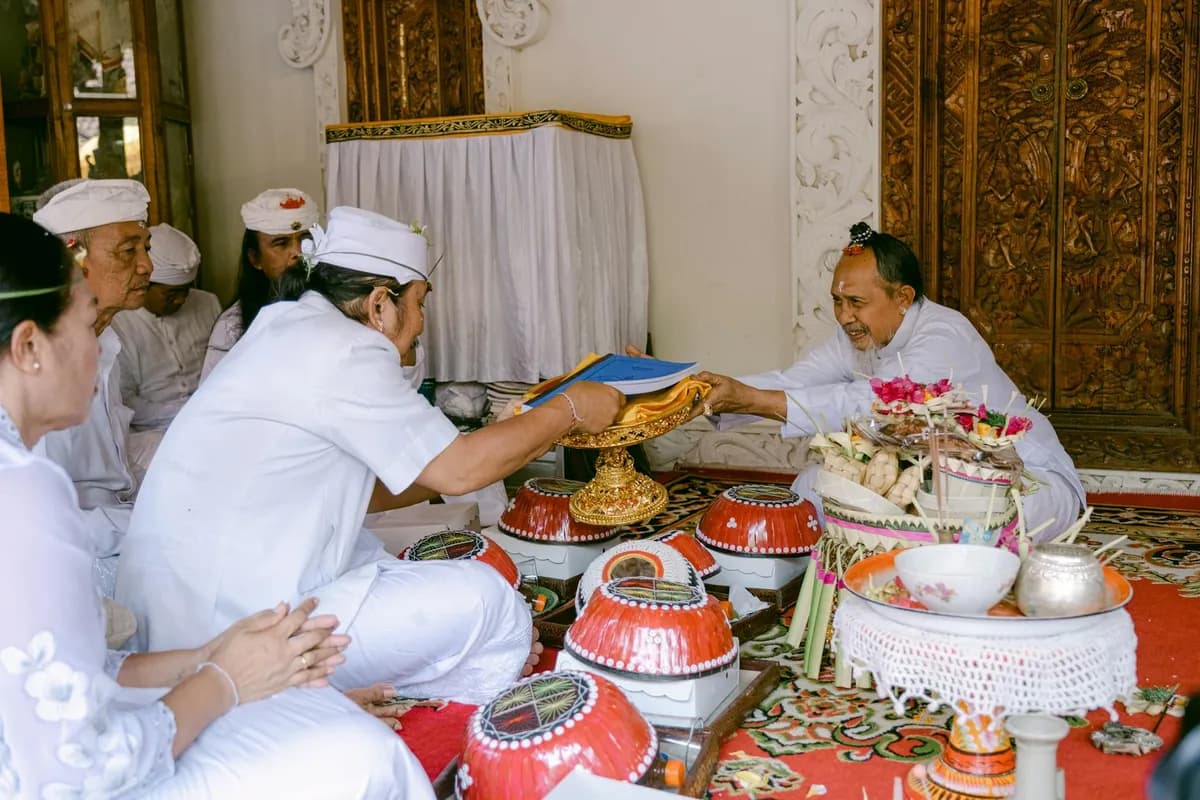
Ceremonial practices represent one of humanity's oldest forms of spiritual and cultural expression, with evidence of ritualistic behavior dating back to prehistoric times. Archaeological findings suggest that early humans engaged in ceremonial activities around 100,000 years ago, including burial rituals and seasonal celebrations that connected communities to natural cycles and ancestral wisdom. These practices evolved independently across diverse cultures worldwide, from the vision quests of Native American tribes to the coming-of-age ceremonies of African societies, the seasonal festivals of ancient Celtic traditions, and the elaborate rites of passage found in Hindu and Buddhist cultures.
Throughout history, ceremonial practices have served as the backbone of community cohesion and spiritual development. Indigenous shamans, tribal elders, and spiritual leaders have traditionally guided these rituals, passing down knowledge through oral traditions and direct experience. The industrial revolution and colonial expansion disrupted many traditional ceremonial practices, but the late 20th century saw a resurgence of interest in these ancient wisdom traditions.
In contemporary times, ceremonial practices have experienced a revival as people seek meaningful ways to mark life transitions and connect with something greater than themselves. Modern practitioners often blend traditional elements with contemporary understanding, creating inclusive ceremonies that honor ancestral wisdom while addressing current needs. This has led to the emergence of interfaith ministers, certified celebrants, and spiritual counselors who facilitate ceremonies for diverse populations seeking ritual and meaning in their lives.
Mechanism
Ceremonial Practices is a broader health tradition or knowledge system rather than a single technique. Practitioners may draw on cultural teachings, observation, lifestyle guidance, ritual, remedies, bodywork, or community practice. Its working model should be described in its own traditional context and not overstated as biomedical proof. People may explore it for cultural continuity, reflection, and supportive wellbeing practices. Ceremonial practices function through structured symbolic actions and intentional gatherings that mark psychological and social transitions.
Your first visit
A typical session outline to help you feel prepared
A ceremonial session is a guided, intentional ritual shaped around your personal life moment, beliefs, and hopes, held in a sacred space your practitioner helps create together with you.
Your practitioner greets you warmly and invites you to share the life moment or intention behind your ceremony, whether that's a transition, a loss, a celebration, or a new beginning.
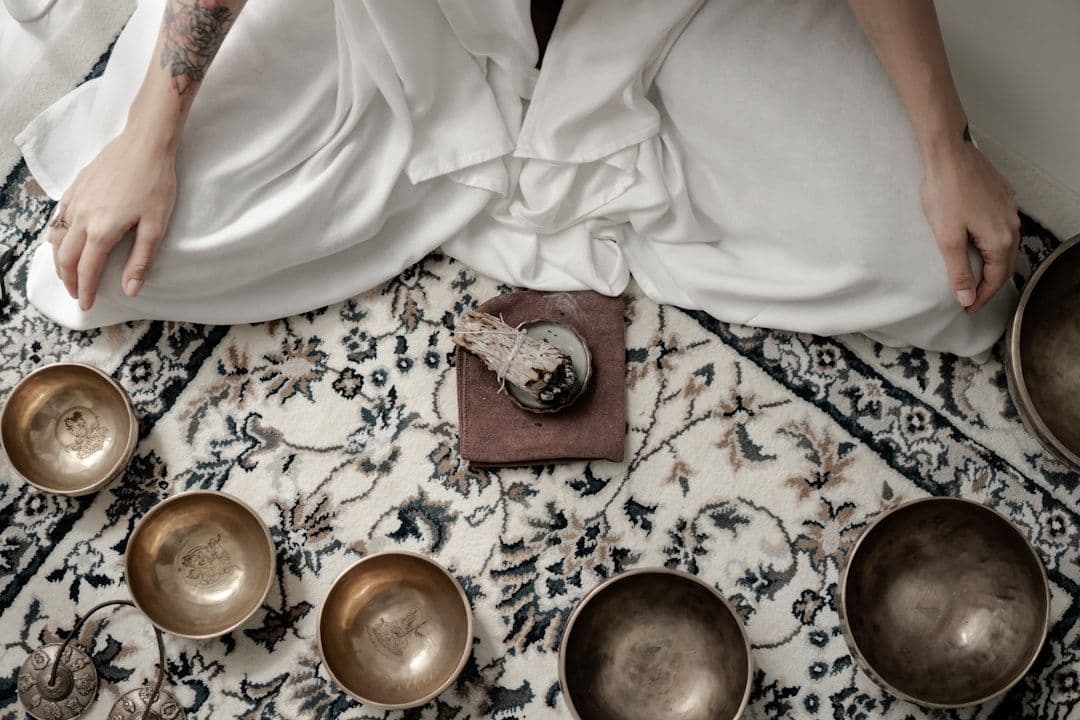
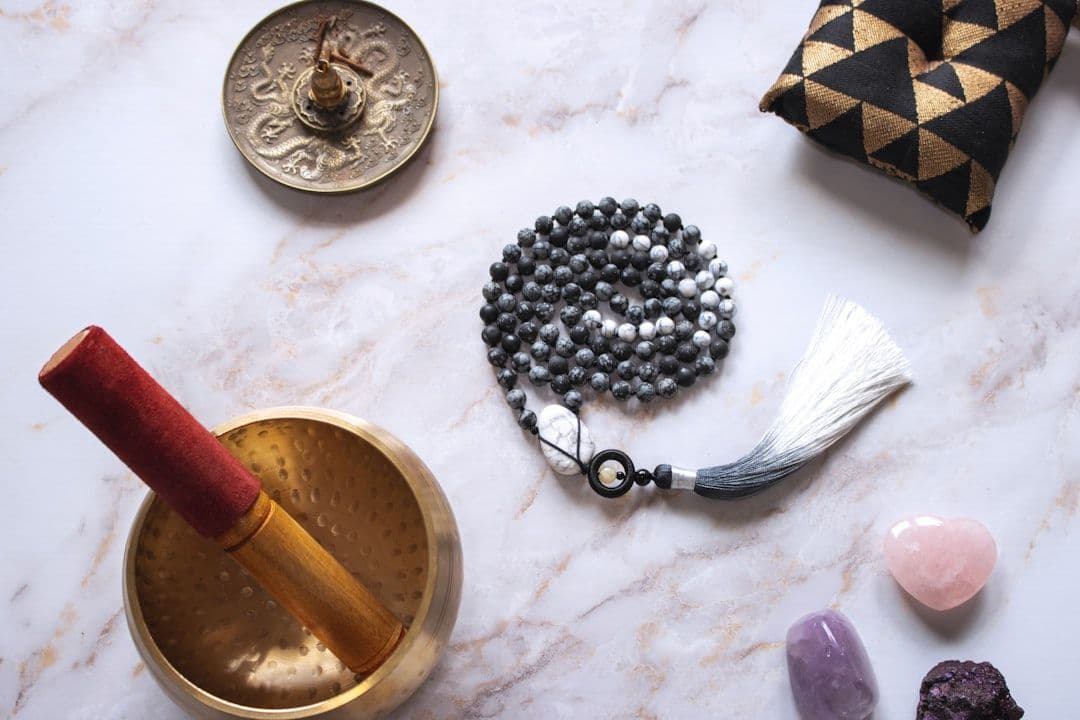
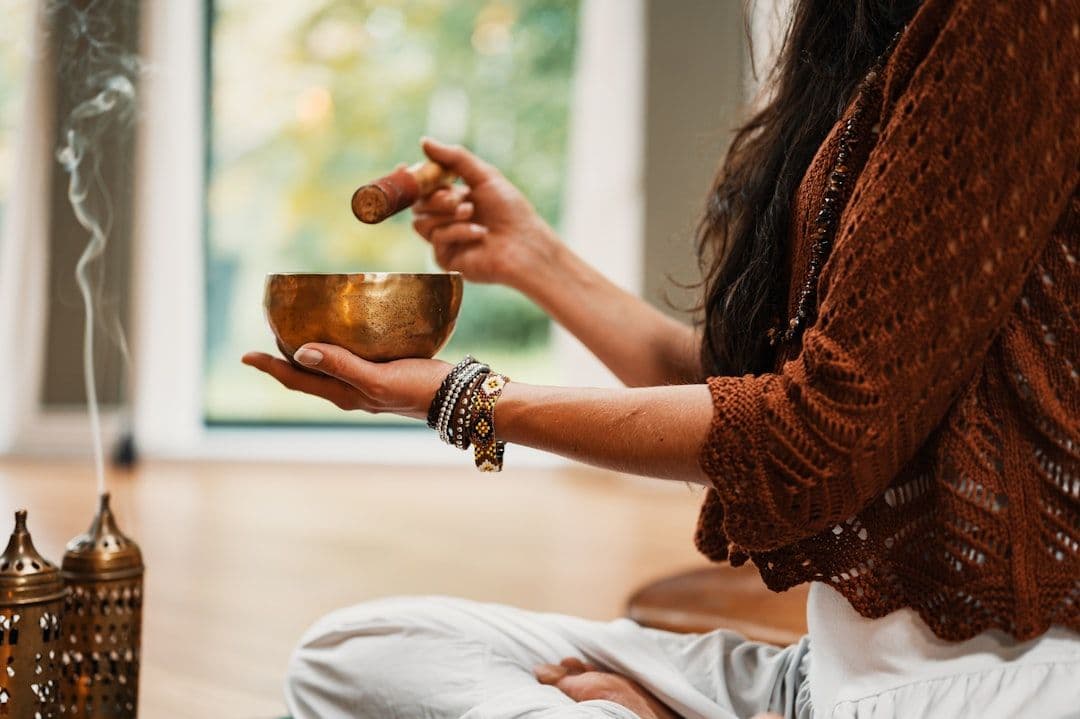
Together, you and your practitioner prepare the physical environment using elements like candles, meaningful objects, sound, or scent to create a container that feels safe and intentional.
Before the ceremony begins, your practitioner guides you through a brief grounding practice, such as breathwork or a moment of stillness, to help you arrive fully in body and mind.
The practitioner formally opens the ceremony, which may include an invocation, a blessing, or a spoken acknowledgment of what you are honoring, marking the shift from ordinary time into sacred time.
This is the heart of the session, where symbolic actions unfold, such as lighting a candle, speaking aloud, releasing something written on paper, or receiving a blessing, all guided step by step.
After the core ritual, your practitioner holds space for you to speak freely about what arose, what you felt, or what felt significant, with no pressure to have the right words.
The practitioner formally closes the ceremony with a grounding gesture or spoken closing, signaling a gentle return and honoring the experience you just moved through together.
You'll receive grounding practices to take home, along with guidance on how to carry the experience forward in your daily life in the days and weeks ahead.
The Evidence
What research and tradition tell us about ceremonial practices and their role in human wellbeing.
Rooted in tradition, supported by psychology
Ceremonial practices have a deep cross-cultural history and are supported by anthropological and psychological research on ritual, meaning-making, and social cohesion. Controlled clinical trials are limited, and observational and anthropological accounts are wide-ranging, though not systematically reviewed.
Some psychological research suggests ritual and ceremony may reduce anxiety, support emotional processing, and strengthen feelings of meaning and connection. Observations from studies on grief rituals and rites of passage indicate possible benefits for adjustment and community support. Standardised clinical trials are rare due to the culturally specific nature of these practices.
Within metaphysical traditions, ceremonies are seen as sacred containers for transformation — marking shifts in identity, status, or spiritual orientation. These frameworks are not evaluated by clinical standards, but they reflect a coherent internal logic shared across many cultures and lineages. Gyfts presents this context without endorsing or dismissing any specific worldview.
From burial rites in prehistoric communities to coming-of-age ceremonies across Africa, Asia, and the Americas, ceremonial practice appears to be a universal feature of human social life. Oral traditions, elder guidance, and direct transmission have historically preserved these practices across generations.
Research in psychology suggests that ritual provides a sense of order and intentionality during uncertain transitions. Whether secular or spiritual, ceremonies can help individuals mark endings, honour change, and anchor new chapters. The personal significance a participant brings to a ceremony appears central to its psychological value.
People with active psychosis, severe mental health conditions, or those on psychiatric medications should consult a healthcare provider before engaging in intensive ceremonies, particularly those involving altered states or emotional catharsis. Participation should always be voluntary, informed, and free from coercion. Pregnant individuals should seek medical advice before attending physically or emotionally demanding ceremonies.
Ceremonies are not a replacement for professional psychological or psychiatric support when that is needed. Seekers should be aware that ceremonial facilitation is largely unregulated; verifying a practitioner's lineage, community standing, and cultural legitimacy matters. Concerns around cultural appropriation are real — practices removed from their originating context may lose integrity or cause harm. Inflated outcome claims from any practitioner should be approached with caution.
Safety first
General guidance to help you decide whether this approach is appropriate for you. This is informational only and not a substitute for medical, psychological, or professional advice.
If you are pregnant, managing a health condition, recovering from injury or surgery, or taking medication, consult a qualified healthcare professional first.
Some situations call for extra care or a different approach. Share any conditions, injuries, or sensitivities with your practitioner before your first session.
Look for clear boundaries, transparent pricing, and practitioners who avoid fear-based claims or pressure to book frequent sessions.
Mild, short-lived effects such as tenderness, tiredness, or temporary soreness can occur. Rest, hydrate, and tell your practitioner how you respond.
For you?
A simple, human way to weigh it up. This is general guidance, not personal medical advice — a qualified practitioner can advise on your situation.
Gyfts is a discovery platform, not a medical provider. Nothing here diagnoses, treats or replaces professional care. In an emergency, contact your local emergency number.
Explore approaches
Other practices people often explore alongside ceremonial practices.
In their words
FAQ
Ceremonies vary greatly but typically include opening rituals, symbolic actions, opportunities for sharing or reflection, and closing practices. The specific elements depend on the ceremony's purpose and cultural roots. Common components include creating sacred space, setting intentions, performing meaningful actions like lighting candles or releasing objects, sharing stories or vows, and group meditation or prayer. The practitioner guides participants through each step, ensuring everyone understands the significance of different elements.
Many ceremonial practices are designed as single, standalone events marking specific occasions or transitions. However, some may involve a series of preparatory sessions or follow-up integration meetings. Seasonal ceremonies might be repeated annually, while life transition ceremonies are typically one-time events. The practitioner will discuss the appropriate frequency based on your specific needs and the type of ceremony being performed.
No specific religious belief is required for most contemporary ceremonial practices. Many modern practitioners create inclusive ceremonies that honor universal human experiences while respecting diverse spiritual backgrounds. However, some traditional ceremonies may have specific cultural or religious requirements. Discuss your beliefs and comfort level with the practitioner to ensure the ceremony aligns with your values.
Ceremonies can be held in various locations depending on their nature and purpose. Many practitioners prefer natural outdoor settings for their connection to earth elements, while others may use dedicated sacred spaces, community centers, or even homes. The location is chosen based on the ceremony's requirements, weather considerations, participant needs, and accessibility. Some ceremonies specifically require certain locations, such as water ceremonies near bodies of water.
Ceremony creates a demarcated, intentional space that differs from ordinary time — signalling to the nervous system, psyche, and community that something meaningful is occurring. Across cultures, ceremony marks transitions (birth, initiation, death), facilitates healing, and reconnects individuals to something larger than themselves. In holistic healing contexts, ceremony may involve ritual cleansing, prayer, invocation, music, silence, or communal witnessing. Its therapeutic power lies partly in its capacity to externalise internal processes — giving form to grief, transition, or healing through symbolic action. This is increasingly recognised in psychological literature under concepts like ritual and meaning-making.
References
Educational sources that inform this overview. Inclusion is for context and does not imply endorsement.
Full citations are maintained by the Gyfts editorial team and reviewed periodically.
Keep exploring
Browse practitioners, explore honest overviews, and take what you learn to a conversation — at your own pace.