Before You Arrive
Wear comfortable, loose-fitting clothing that allows easy movement. You'll likely need to bend, stretch, and possibly change into a hospital gown for the examination. Avoid tight jeans or restrictive clothing that might interfere with the assessment.
Bring a list of current medications, details of any recent imaging (X-rays, MRI scans), and information about your pain or symptoms—when they started, what makes them better or worse, and how they affect your daily activities. If you've seen other practitioners for this condition, bring those records too.
Eat normally beforehand but avoid arriving immediately after a large meal. Some examination positions might be uncomfortable on a full stomach. If you're particularly anxious, arrive a few minutes early to complete paperwork calmly rather than rushing.
The Assessment Phase
Your first appointment typically lasts 45-60 minutes, starting with a detailed consultation. Your chiropractor will ask about your current symptoms, medical history, lifestyle factors, and previous injuries. They're particularly interested in how your condition affects your work, sleep, and daily activities.
The physical examination begins with observing your posture, gait, and general movement patterns. You'll be asked to perform simple movements—bending forward, backward, and sideways—while the practitioner notes any restrictions or asymmetries. They'll examine your spine's curves and check for muscle tension or swelling.
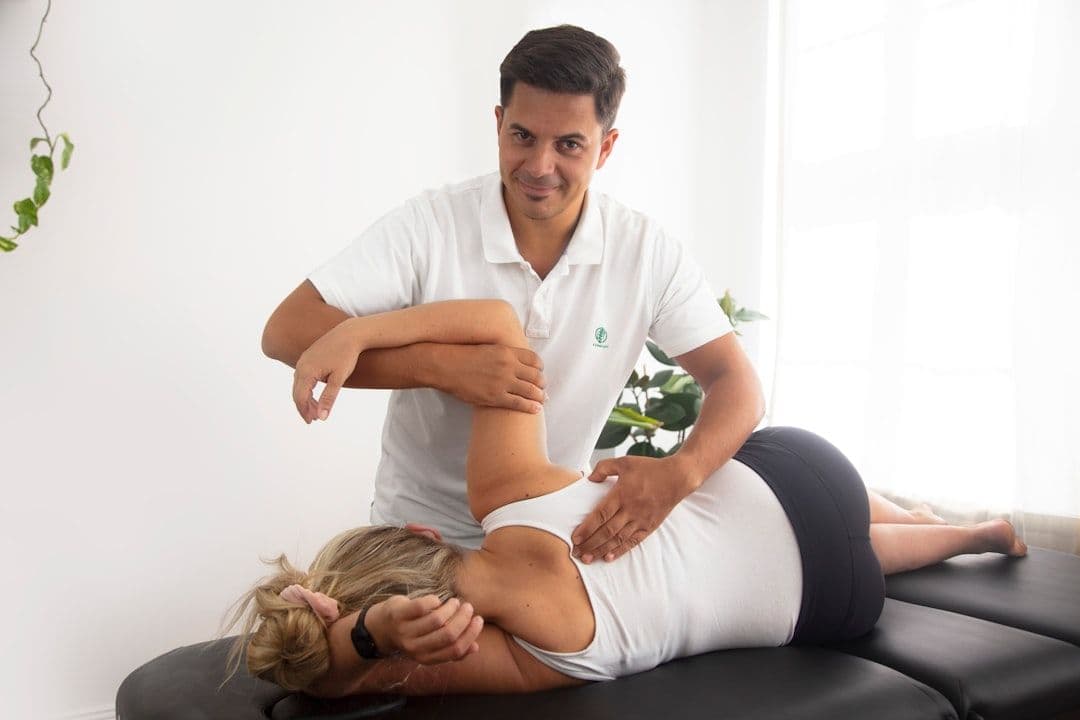
Next comes hands-on assessment. The chiropractor will palpate your spine and surrounding muscles, feeling for areas of tension, inflammation, or misalignment. This might involve you lying on your back, side, or stomach on a specially designed treatment table. They'll also test your reflexes, muscle strength, and range of motion in affected joints.
The Treatment Itself
If appropriate, your chiropractor will begin hands-on treatment during this first session, though some prefer to analyze findings before starting adjustments. You'll be positioned on a treatment table that may have moveable sections to assist with certain techniques.
Spinal adjustments involve the practitioner applying quick, controlled pressure to specific joints. You'll hear a distinctive 'pop' or 'crack'—this is gas being released from the joint space and is completely normal. The sound might surprise you initially, but the adjustment itself should feel like pressure and release rather than pain.
Between adjustments, your chiropractor might use soft tissue techniques, applying pressure to tight muscles or trigger points. Some practitioners incorporate instrument-assisted techniques using small tools, or gentle mobilisation movements that don't produce the characteristic cracking sound. Each technique targets different aspects of your musculoskeletal system.
The hands-on portion typically lasts 15-20 minutes, though this varies based on your condition and treatment plan.
What You Might Feel During and After
During adjustments, expect to feel pressure followed by relief as restricted joints regain mobility. Some people experience immediate pain reduction, while others notice increased stiffness initially. Both responses are normal—your body is adapting to improved joint function.
In the 24-48 hours following treatment, mild soreness is common, particularly after your first few sessions. This feels similar to post-exercise muscle soreness and typically improves with gentle movement and hydration. Some people report feeling more energetic or sleeping better after treatment.
Occasionally, you might experience temporary increases in pain or stiffness as your body adjusts. This usually resolves within a day or two. However, severe pain, persistent numbness, or new symptoms warrant immediate contact with your practitioner or medical attention.
Immediate Aftercare
Continue normal daily activities unless specifically advised otherwise. Gentle walking often helps your body integrate the treatment and reduces post-session stiffness. Apply ice if you experience inflammation, but many people find heat more comfortable for general muscle soreness.
Stay well-hydrated and avoid strenuous exercise or heavy lifting for the remainder of the day. Your chiropractor might suggest specific stretches or exercises to support the treatment, particularly important for maintaining improvements between sessions.
Sleep on a supportive mattress and avoid prolonged sitting if possible. If you work at a desk, take regular breaks to move and stretch. Pay attention to your posture—your practitioner will likely provide specific guidance based on their assessment of your movement patterns.
Treatment Course and Follow-Up
Acute conditions like recent back strain might resolve in 3-6 sessions over 2-3 weeks, while chronic problems typically require longer treatment courses. Your chiropractor should outline a clear treatment plan after the initial assessment, including expected frequency and duration.
Initial sessions are usually scheduled closer together—perhaps twice weekly—then spaced out as symptoms improve. Maintenance care varies enormously between practitioners and patients. Some people return monthly for preventive care, while others only seek treatment when symptoms recur.
Progress is typically assessed every 2-3 sessions. If you're not experiencing meaningful improvement within this timeframe, discuss modifying the approach or seeking additional evaluation. Effective chiropractic care should produce noticeable changes relatively quickly, even if complete resolution takes longer.