What It Is
Neck and shoulder pain often stem from posture, muscle tension, and repetitive strain patterns
Understanding what your neck and shoulders are telling you

At a glance
What It Is
Neck and shoulder pain often stem from posture, muscle tension, and repetitive strain patterns
How It Presents
Aching, stiffness, reduced head movement, and tension headaches radiating from the base of the skull
What May Help
Physiotherapy, massage, acupuncture, ergonomic changes, and stress management are commonly explored
Evidence Context
Moderate evidence supports several approaches; individual response varies and consistency matters
See the evidence snapshotWhen to Seek Help
Seek prompt care if numbness, arm weakness, trauma, or red flag symptoms like fever are present
Explanation
Neck and shoulder pain ranks among the most common musculoskeletal complaints, affecting an estimated 30 to 50 percent of adults at any given time. The cervical spine and surrounding soft tissues are vulnerable to strain from sustained postures, repetitive movements, acute injury, and accumulated tension. Contributing factors often include prolonged screen use, forward head posture, poor workstation setup, sleep position, and high stress load. Pain may stay localized or refer into the shoulders, arms, and head. Neurological symptoms such as tingling, numbness, or arm weakness suggest cervical nerve involvement and warrant professional assessment. Manual therapy, therapeutic exercise, and mindfulness-based approaches may support pain management and improved function.
Could this be you
Neck & Shoulder Pain shows up differently for everyone. Browse by how it tends to be felt — these are common experiences, not a checklist or a diagnosis.
Common experiences people describe — not a diagnostic checklist.
Why it happens
Neck & Shoulder Pain usually comes from a mix of factors rather than a single cause. These are common contributors — not certainties.
Muscle and joint changes from aging may reduce resilience in the cervical spine, raising discomfort risk.
Chronic stress often causes people to brace the neck and upper shoulders, contributing to persistent tension.
Previous neck injuries or poor posture habits may predispose the area to ongoing strain and recurring pain.
Sleeping in unsupported positions may overload neck muscles, leaving them stiff and sore by morning.
What happens in the body
Neck & Shoulder Pain can involve several of the body’s systems. These are common patterns researchers describe — how they show up varies from person to person.
Sustained postures or repetitive strain may overload cervical vertebrae, discs, and surrounding muscles, leading to localized inflammation and restricted movement.
Compressed or irritated cervical nerve roots may generate pain signals that radiate into the shoulders, arms, or head, and sometimes produce tingling or numbness.
Elevated stress hormones such as cortisol may increase baseline muscle tension in the upper trapezius and neck, amplifying pain sensitivity over time.
Anxiety, catastrophising, and poor sleep may lower pain thresholds and contribute to a cycle where psychological distress and physical discomfort reinforce each other.
Process
Management
Hands-on techniques such as massage, mobilization, and guided exercise programs are commonly used approaches that some people find helpful for reducing tension and improving range of motion in the neck and shoulders.
A doctor or pharmacist may discuss NSAIDs such as ibuprofen or acetaminophen for short-term discomfort management — these are standard first-line options in conventional care for musculoskeletal pain.
Some people explore chiropractic adjustment for neck stiffness and shoulder tension; some practitioners suggest it may support mobility, though outcomes vary and it is best discussed with a qualified provider.
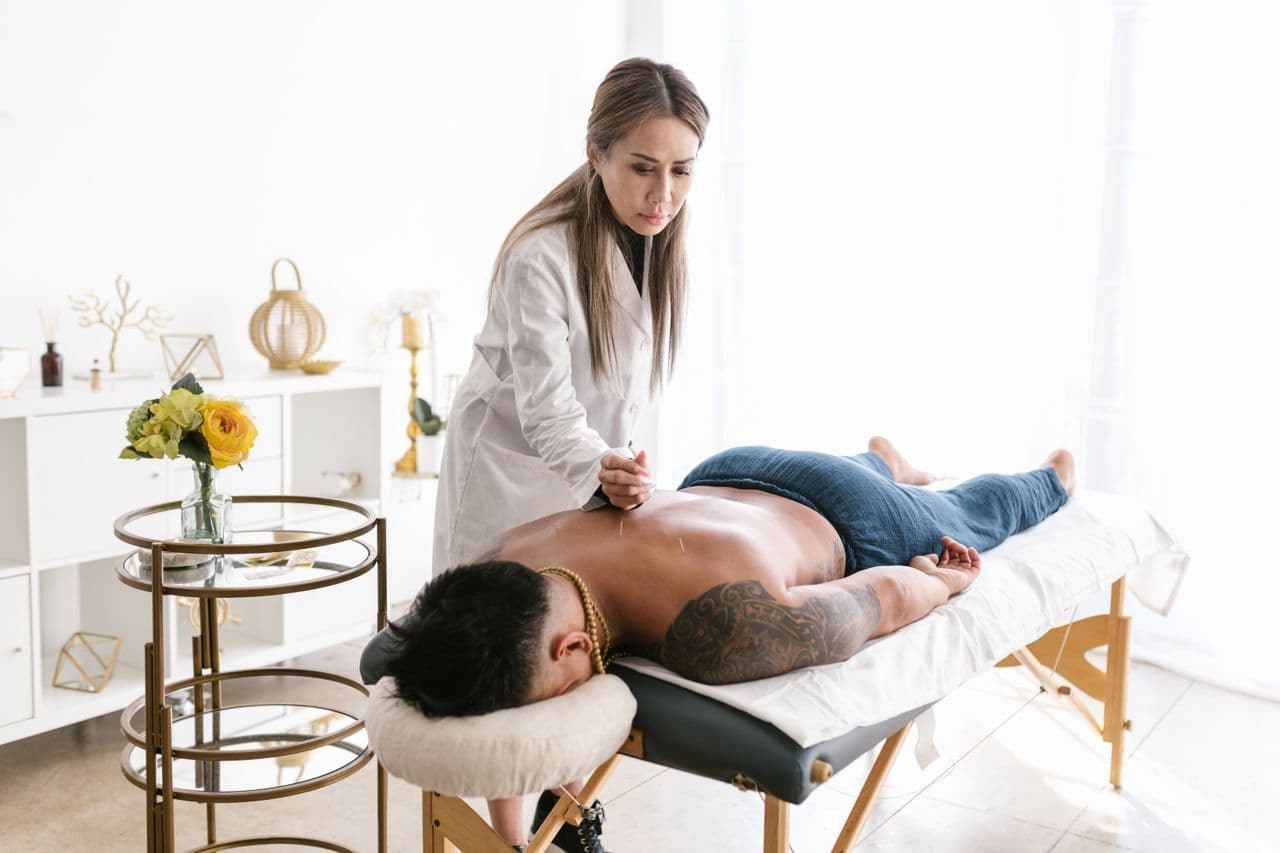
Traditionally used for musculoskeletal tension and pain, acupuncture is something some people find supportive alongside other approaches — evidence is mixed but generally considered low risk when performed by a trained practitioner.
Gentle yoga, Pilates, and neck-specific strengthening exercises may support postural alignment and muscular endurance over time, particularly for those whose pain is linked to prolonged desk work or screen use.
Self-Care
Position your monitor at eye level and keep your keyboard at elbow height. Small ergonomic adjustments may support reduced strain on the neck and shoulders during long work sessions.
Stepping away from your screen every 30 to 45 minutes to gently roll your shoulders and turn your head may help prevent tension from accumulating throughout the day.
Slow chin tucks, ear-to-shoulder stretches, and chest openers held for 20 to 30 seconds are movements some people find helpful for easing upper neck and shoulder tightness.
Diaphragmatic breathing or progressive muscle relaxation practiced for 10 minutes daily may support reduced stress-related tension that commonly accumulates in the neck and shoulders.
A supportive pillow that keeps the neck aligned with the spine may reduce morning stiffness. Some people find sleeping on the back or side preferable to stomach sleeping for neck comfort.
The Evidence
What research and clinical practice say about neck and shoulder pain, and how different approaches may support relief and function.
Well-studied, with several approaches showing meaningful benefit
Neck and shoulder pain is one of the most researched musculoskeletal complaints. Manual therapy, exercise, and ergonomic changes have moderate to strong support, while psychological and lifestyle factors are increasingly recognised as important contributors.
Manual therapies including physiotherapy, osteopathy, and massage have moderate to strong evidence for neck pain relief. Acupuncture appears in multiple clinical guidelines. Exercise-based approaches such as yoga and Pilates show consistent benefit for chronic presentations. Ergonomic correction is well-supported. No single approach works for everyone, and combination strategies tend to perform best in research.
Seek medical assessment if you experience arm or hand numbness, weakness, or tingling — especially after injury. Neck pain with fever, bladder or bowel changes, or a history of cancer warrants urgent review. Post-trauma neck pain should always be assessed before any hands-on therapy. These presentations may indicate nerve, vascular, or systemic involvement.
High-velocity cervical manipulation carries a rare but serious risk of vertebral artery injury and should only be performed by qualified practitioners after appropriate screening. Inverted yoga postures are not suitable for cervical disc herniations. Self-manipulation of the neck is not recommended. Inform any practitioner of your full symptom picture before beginning hands-on care.
Current guidelines generally recommend a combination of manual therapy, therapeutic exercise, and patient education over passive treatment alone. Psychological approaches addressing anxiety and pain catastrophising are recognised as clinically relevant, particularly for persistent pain. Imaging is not routinely recommended for uncomplicated neck pain without neurological signs.
Neck and shoulder pain rarely has a single cause. Stress-driven muscle tension, poor sleep, screen habits, and emotional load can all amplify physical discomfort. Approaches that address movement, nervous system regulation, and daily habits alongside hands-on care tend to produce more sustained outcomes. Understanding your own contributing factors is a useful starting point.
Options with research support include physiotherapy, osteopathy, remedial massage, acupuncture, and exercise-based practices such as yoga and Pilates. Myofascial and neuromuscular approaches may help with soft tissue tension. Ergonomic review is often overlooked but highly practical. A qualified practitioner can help identify which combination suits your specific pattern of pain and lifestyle.
Safety first
Neck & Shoulder Pain is manageable, and support helps. Some situations call for prompt professional help.
Explore approaches
Practices people explore for neck & shoulder pain — alongside professional care.
FAQ
The muscles of the neck and upper shoulders share overlapping attachment points and movement roles. When one area becomes tense or overloaded, the other commonly compensates, which is why sustained screen use or stress often creates discomfort across both regions simultaneously.
Some people find meaningful relief through acupuncture, remedial massage, and osteopathy. Research suggests these may support pain reduction and improved movement, though results vary. Many practitioners recommend combining these with postural correction for more lasting benefit.
If your pain follows an injury, is worsening after two to three weeks, or comes with tingling, numbness, or weakness in your arms, medical assessment is important. Symptoms like fever or bladder changes alongside neck pain warrant urgent attention.
Sustained forward head posture during screen use places significant load on the cervical spine and upper shoulder muscles. Small ergonomic changes, such as raising your screen height and supporting your lower back, may meaningfully reduce this strain over time.
Yes, the connection is well recognized. Many people unconsciously brace or raise their shoulders under psychological stress, and this sustained muscle guarding can accumulate into real physical discomfort. Stress management practices may support overall muscle relaxation.
Keep exploring
Browse practitioners, explore honest overviews, and take what you learn to a conversation — at your own pace.