Beyond the Swinging Watch: What Cognitive Hypnotherapy Actually Involves
Picture yourself in a comfortable chair, eyes closed, breathing deeply as your practitioner's voice guides you into a state of focused relaxation. But this isn't stage hypnotherapy or mystical mind control. Cognitive hypnotherapy represents a sophisticated fusion of two well-established therapeutic approaches: the suggestible states achieved through clinical hypnosis and the systematic thought restructuring of cognitive-behavioural therapy.
In this heightened state of attention—similar to being completely absorbed in a book or lost in thought whilst driving—your conscious mind's tendency to analyse and resist change quiets down. This creates an opportunity for your practitioner to work directly with the subconscious patterns that maintain anxiety, phobias, or unwanted behaviours. Rather than simply offering post-hypnotic suggestions, cognitive hypnotherapists use this receptive state to identify and systematically reframe the underlying beliefs and thought processes that fuel your difficulties.
The approach acknowledges something many people recognise intuitively: that our conscious understanding of a problem doesn't always translate into the ability to change it. You might know rationally that flying is safer than driving, yet still experience panic attacks on aeroplanes. Cognitive hypnotherapy aims to bridge this gap between intellectual understanding and emotional reality.
From Mesmerism to Modern Practice: The Evolution of a Hybrid Approach
Cognitive hypnotherapy emerged in the late 20th century as practitioners began integrating the growing evidence base for cognitive-behavioural therapy with the established clinical applications of hypnosis. This wasn't simply a matter of adding hypnosis to CBT sessions—it required developing specific protocols that capitalised on the unique opportunities presented by hypnotic states.
The approach draws from Franz Mesmer's 18th-century observations about altered states of consciousness, but grounds them in contemporary understanding of cognitive processes and neuroplasticity. Modern cognitive hypnotherapists trained in this method learn to work systematically with thought patterns, core beliefs, and cognitive distortions whilst their clients are in hypnotic states.
Professional training programmes now exist specifically for this hybrid approach, typically requiring background in either clinical hypnosis or cognitive therapy before practitioners can specialise. The method has developed its own assessment tools and intervention protocols, moving beyond the general relaxation suggestions that characterised earlier hypnotherapeutic approaches.
The Neuroscience of Suggestion: How the Method Engages Your Brain
From the cognitive hypnotherapy perspective, hypnotic states create optimal conditions for cognitive restructuring by reducing the critical, analytical functions that often maintain problematic thought patterns. When deeply relaxed and focused, you become more receptive to examining and modifying core beliefs without the immediate resistance that conscious analysis might generate.
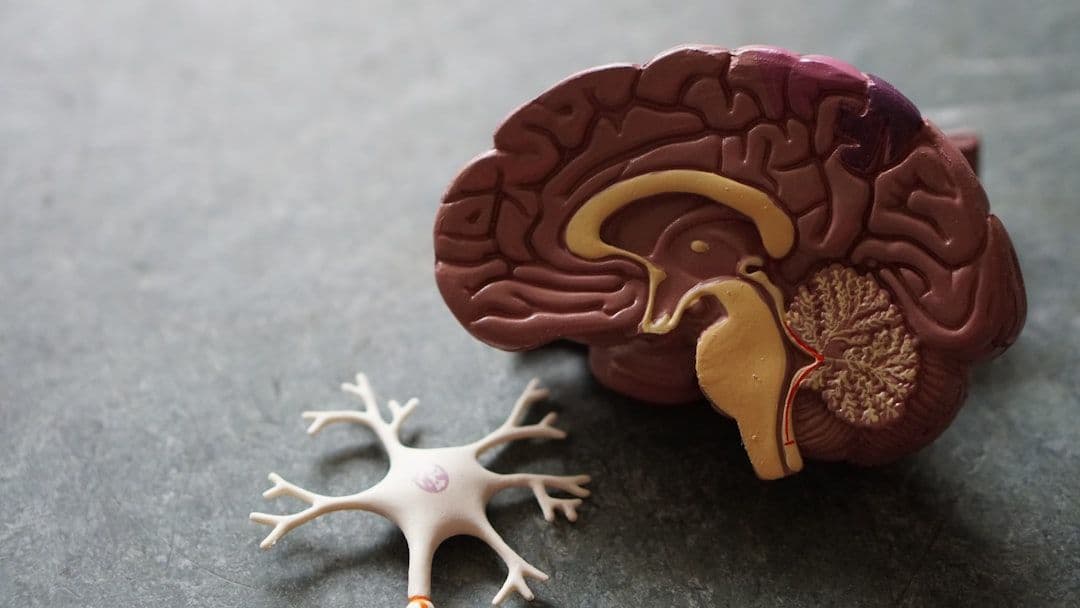
Neuroimaging research provides some insight into what happens during hypnotic states. Studies show altered activity in brain regions associated with attention, self-awareness, and cognitive control. The anterior cingulate cortex, which normally monitors conflicting information, shows reduced activity during hypnosis. This may explain why people can more readily accept alternative perspectives or challenge previously rigid beliefs whilst in hypnotic states.
The cognitive component works by systematically identifying the specific thoughts, assumptions, and beliefs that maintain your particular difficulty. Rather than offering generic relaxation or positive suggestions, practitioners target the exact cognitive distortions that fuel your anxiety about public speaking, your phobic response to dogs, or your automatic reach for cigarettes during stress.
Who Finds This Approach Most Helpful?
Cognitive hypnotherapy tends to work particularly well for people whose difficulties feel somewhat automatic or beyond conscious control. If you find yourself thinking "I know this is irrational, but I can't seem to stop it," this approach might prove valuable. The method shows strongest evidence for anxiety-related conditions—particularly specific phobias, generalised anxiety, and panic disorder.
Smoking cessation represents another area where the combination of hypnotic suggestion and cognitive restructuring has shown consistent results in clinical trials. The approach seems especially helpful for people who've tried willpower-based methods unsuccessfully, as it addresses both the conscious decision-making processes and the subconscious triggers that maintain the habit.
People who are naturally good at visualisation or who tend to become absorbed in activities often respond well to hypnotic techniques. However, the cognitive component means that even those who initially struggle with hypnotic induction can benefit once they develop the skill. The key factor appears to be willingness to engage with the process rather than any special hypnotic "talent."
What to Expect: A Typical Session Journey
Your first session typically begins with detailed assessment—not just of your presenting problem, but of your specific thought patterns, triggers, and previous attempts at change. Your practitioner will explain how cognitive hypnotherapy works and may test your responsiveness to simple hypnotic suggestions to gauge your natural ability and adjust their approach accordingly.
The hypnotic induction that follows might involve progressive muscle relaxation, guided imagery, or countdown techniques—whatever works best for your particular style of relaxation. You'll remain aware and in control throughout; this isn't about losing consciousness but about achieving a state of focused, relaxed attention.
Once you're in a hypnotic state, your practitioner guides you through cognitive exercises tailored to your specific issue. This might involve visualising yourself responding differently to triggers, examining and challenging core beliefs about yourself or your capabilities, or rehearsing new thought patterns and behaviours. Sessions typically last 50-60 minutes, with the hypnotic portion comprising about half that time.
Most practitioners provide audio recordings of your sessions to listen to between appointments, reinforcing the cognitive restructuring work and helping you develop independent skill with the relaxation techniques.
The Evidence Base: What Research Shows and What Remains Unknown
Several systematic reviews have examined cognitive hypnotherapy's effectiveness, with encouraging results for specific conditions. A 2019 meta-analysis found significant benefits for anxiety disorders compared to waitlist controls, with effects maintained at follow-up. For smoking cessation, randomised trials consistently show higher quit rates compared to standard behavioural interventions, though long-term abstinence rates vary widely between studies.
The evidence for other conditions remains more limited. While case studies report success with everything from chronic pain to depression, rigorous controlled trials are lacking for many applications. Part of the challenge lies in standardising the intervention—cognitive hypnotherapy tends to be highly individualised, making it difficult to create the uniform protocols required for traditional research designs.
Perhaps most importantly, research confirms what practitioners observe clinically: individual responsiveness varies considerably. Approximately 10-15% of people show minimal response to hypnotic techniques, while others achieve dramatic results in just a few sessions. Currently, we lack reliable ways to predict who will respond best, though motivation for change and belief in the approach appear to influence outcomes.
Practical Considerations: Finding Quality Care and Managing Expectations
Expect to pay £70-120 per session in most UK locations, with initial consultations sometimes costing more due to their length. Most issues require 4-8 sessions, though simple phobias might resolve more quickly whilst complex anxiety patterns may need longer-term work. Many practitioners offer package deals that reduce per-session costs.
Look for practitioners registered with the Complementary & Natural Healthcare Council (CNHC) who hold dual qualifications in both clinical hypnosis and cognitive-behavioural approaches. The UK Society of Medical and Dental Hypnosis maintains registers of healthcare professionals who've completed additional hypnotherapy training, whilst the National Council for Hypnotherapy accredits specialist cognitive hypnotherapy programmes.
Before committing to treatment, ask about your practitioner's specific training in cognitive hypnotherapy (not just general hypnosis), their experience with your particular issue, and their approach to measuring progress. A skilled practitioner should be able to explain clearly how they'll combine hypnotic and cognitive techniques for your specific situation, and should suggest realistic timelines based on your presentation.