Before You Arrive
Book at least a week in advance, particularly for weekend appointments. Most spas require you to arrive 15-20 minutes early to complete intake forms for both partners. Each of you will detail any health conditions, areas of tension, and pressure preferences.
Eat lightly beforehand — avoid heavy meals within two hours of your session. Stay hydrated but don't drink excessive amounts just before arriving. Shower if you wish, though this isn't essential. Remove jewellery and contact lenses if you plan to lie face down.
Wear comfortable, loose clothing. You'll undress to your comfort level — most people remove all clothing and lie under towels, though you can keep underwear on if preferred. Bring a hair tie if you have long hair.
The Session Unfolds
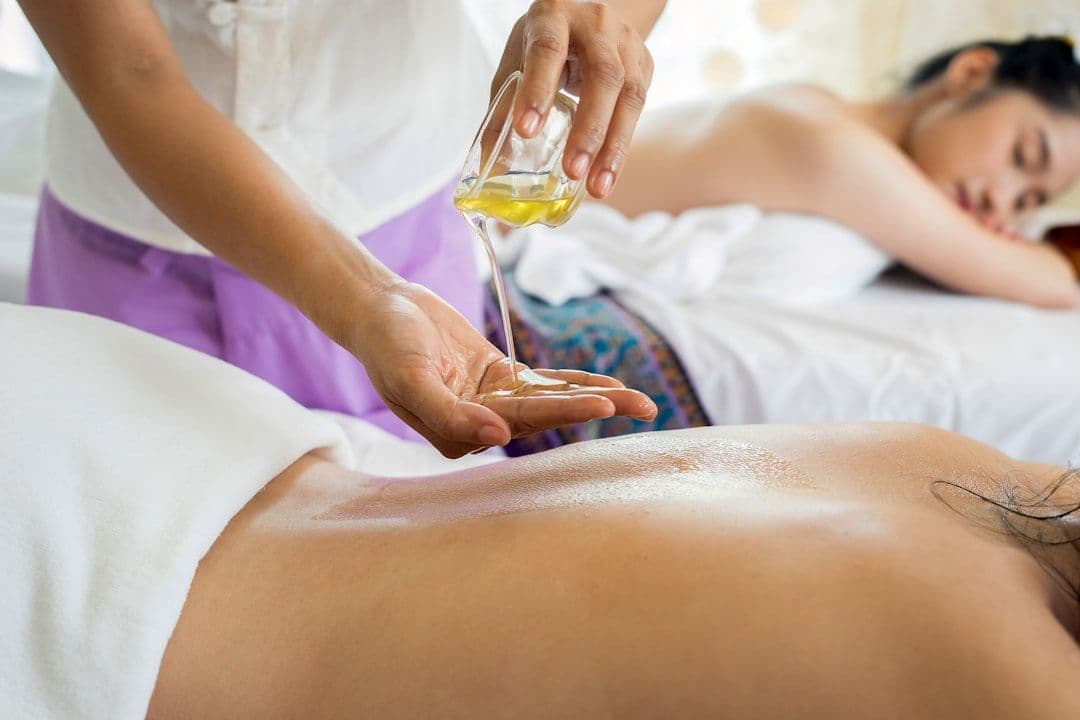
You'll typically be shown to a treatment room with two massage tables, often positioned side by side with enough space for therapists to work comfortably. Some venues use adjoining rooms with an open doorway. The lighting is dimmed, with gentle music playing in the background.
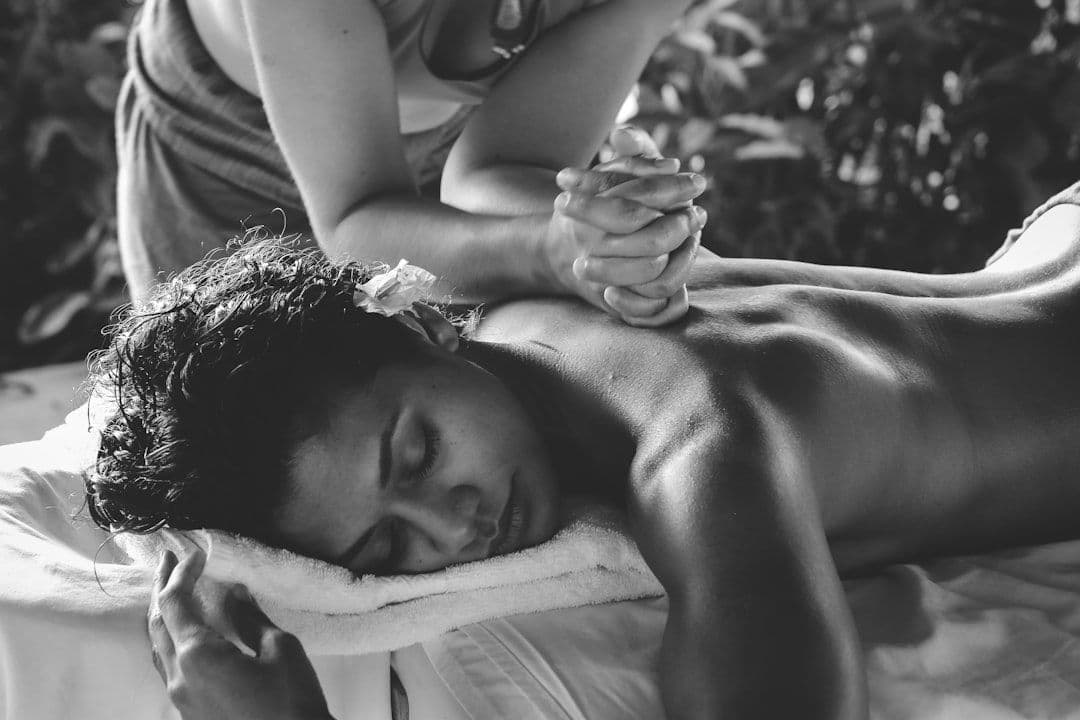
After a brief consultation with your respective therapists, you'll each undress privately and lie face down under fresh towels or sheets. The therapists usually begin simultaneously, starting with your backs and shoulders. You might hear the quiet coordination between them — a whispered "ready?" before they begin each new section.
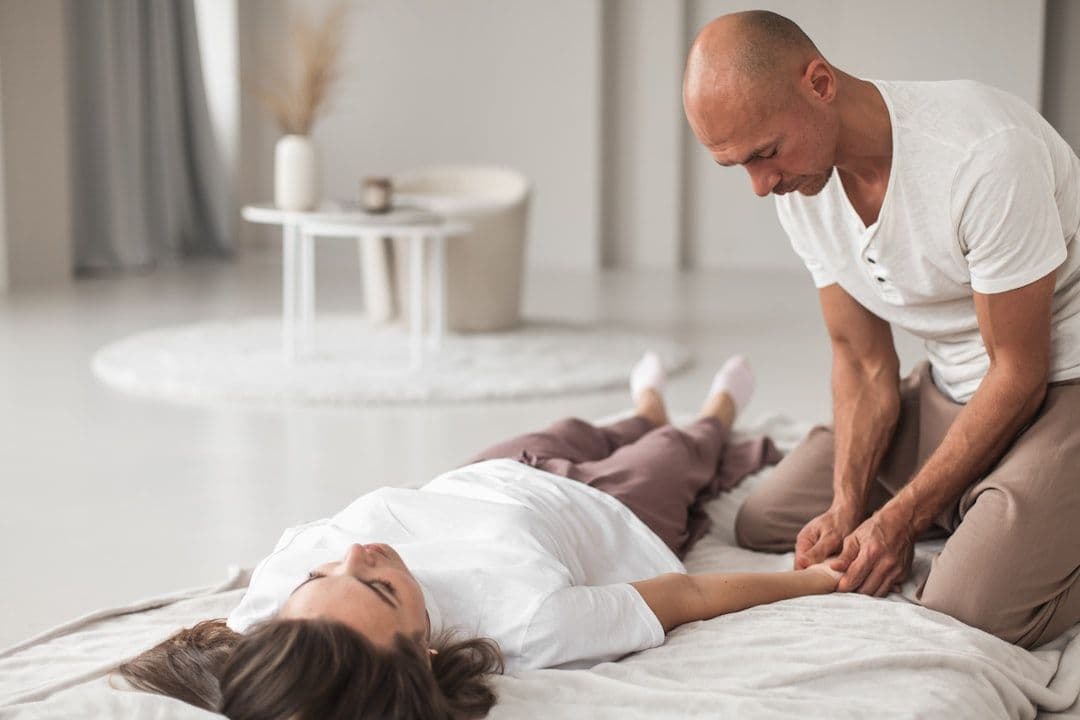
Most sessions follow a similar sequence: back, shoulders, arms, then you'll be asked to turn over for legs, feet, and sometimes face and scalp. Each therapist adjusts their technique to your individual needs — one partner might receive deeper pressure whilst the other enjoys gentler strokes. The synchronisation isn't rigid; your comfort takes priority.
Sessions typically last 60-90 minutes. You're encouraged to communicate about pressure and comfort throughout, though many couples find themselves naturally quieter than during solo massages, absorbed in the shared experience.
What You Might Experience
Many couples report feeling unusually relaxed during the session, with some noting an enhanced sense of connection despite limited conversation. You might find yourself more aware of your partner's breathing or quiet sighs of relaxation. This shared vulnerability often feels intimate without being sexual.
Physically, expect the usual massage responses: potential muscle soreness that improves within 24 hours, temporary skin redness, and deep relaxation that can make you feel slightly drowsy. Some people experience emotional release — tears aren't uncommon during massage.
After the session, couples often describe feeling "in sync" — a sense of shared calm that can last several hours. You might feel more physically and emotionally connected to your partner. Some report sleeping particularly well that night.
Not everyone finds the experience transformative. Some prefer individual attention and discover they're distracted by their partner's presence. This is entirely normal and doesn't reflect on your relationship.
Post-Session Care
Drink plenty of water over the next 24 hours to help flush metabolic waste from your muscles. Many therapists recommend avoiding alcohol that evening, as your body is in a deeply relaxed state.
Take your time getting up and dressed. Move slowly for the first few minutes — some people feel light-headed after deep relaxation. Plan a quiet evening rather than rushing to dinner reservations or activities.
Avoid intense exercise for 24 hours. Gentle walking is fine, but give your muscles time to recover. A warm bath that evening can extend the relaxation benefits.
You might feel slightly tender the next day, particularly if you received deeper pressure work. This typically resolves quickly. If soreness persists beyond 48 hours or feels sharp rather than generally achy, contact the spa or your GP.
Building a Routine
Unlike therapeutic massage for specific conditions, couples massage is often booked as a special experience rather than ongoing treatment. Many couples book one session for celebrations — anniversaries, babymoons, or holiday treats.
Some couples develop a monthly or quarterly routine, finding that regular shared relaxation strengthens their relationship whilst addressing individual stress. Weekend morning sessions are popular with busy professionals who want to maximise their relaxation time.
If you enjoy the experience, consider varying the types of massage — some spas offer couples aromatherapy, hot stone, or pregnancy massage options. Each brings different benefits whilst maintaining that shared experience you've both learned to appreciate.