What it is
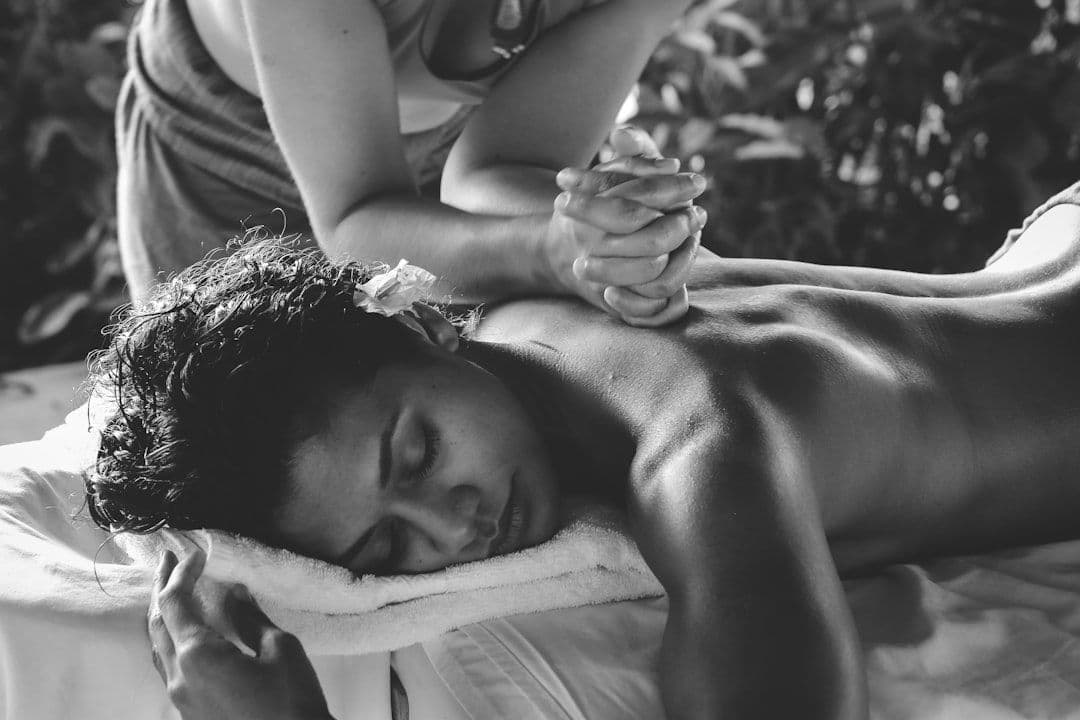
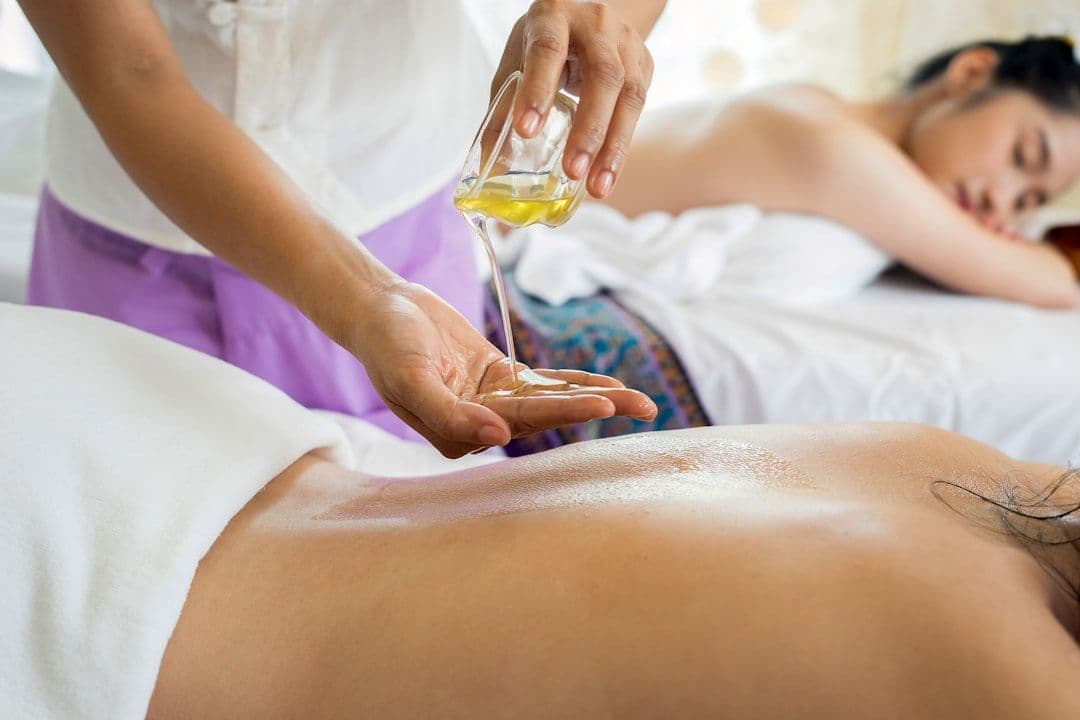
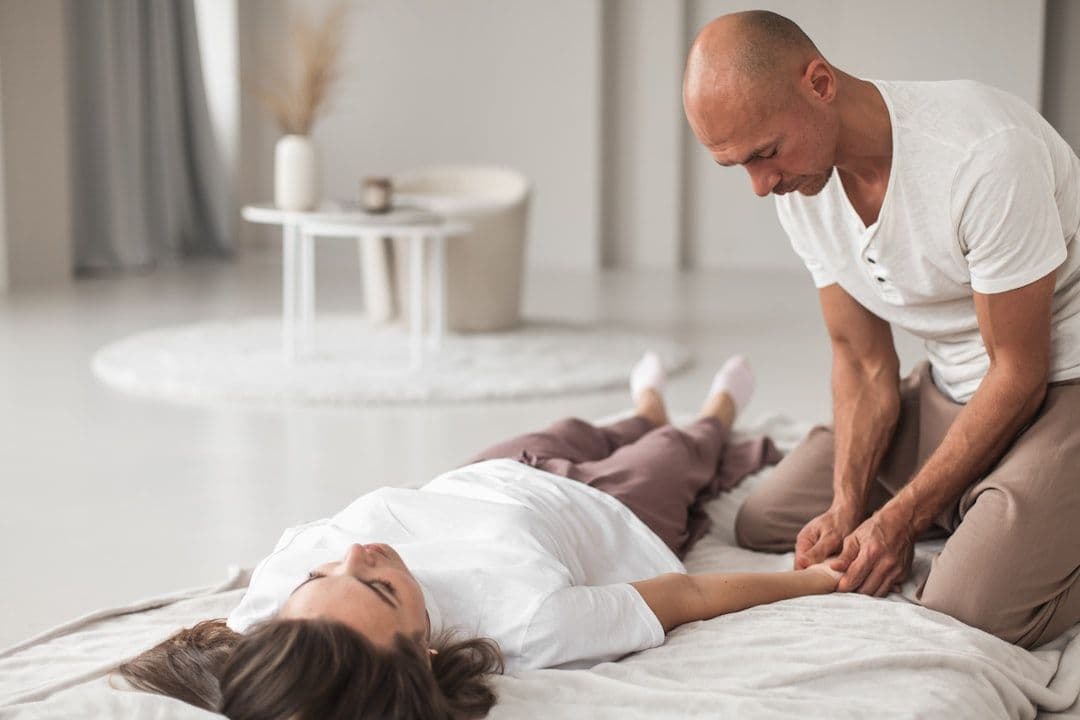
Two partners receive massages side by side in one room, usually for 60–90 minutes.
Partners receiving simultaneous massages in the same room, designed to promote relaxation, intimacy, and shared wellness experiences
At a glance
What it is
Two partners receive massages side by side in one room, usually for 60–90 minutes.
Why explore it
Sharing a relaxing session may help you and your partner feel closer and less stressed.
How it’s experienced
You each choose your own pressure and style while therapists work on you simultaneously.
Evidence context
General massage shows stress relief benefits, but couples-specific bonding claims lack strong research.
See the evidence snapshotSafety
Low risk for healthy adults, but check with a doctor first and confirm both therapists are licensed.
See staying safeHistory & Origin
Couples Massage involves partners receiving simultaneous massages, fostering intimacy and relaxation.
Couples massage emerged as a contemporary wellness practice that builds upon the ancient traditions of massage therapy found across cultures. While individual massage has roots in ancient civilizations including Egypt, China, India, and Greece, the concept of couples receiving massage simultaneously developed primarily in modern spa and wellness environments during the late 20th century.
The practice gained popularity alongside the growth of the spa industry and increased interest in relationship wellness during the 1980s and 1990s. Spa owners and massage therapists recognized that couples often wanted to share relaxing experiences together, leading to the creation of dedicated couples massage rooms with two massage tables. This allowed partners to enjoy the therapeutic benefits of massage while maintaining their connection and shared experience.
The integration of couples massage into mainstream wellness culture reflects broader trends toward experiential wellness and the recognition of touch as important for both individual health and relationship bonding. As research on the benefits of massage therapy expanded, practitioners began to explore how shared massage experiences might enhance both the physical benefits of massage and relationship satisfaction. Today, couples massage is offered in spas, wellness centers, and therapeutic massage practices worldwide, often incorporating elements from various massage traditions while maintaining focus on the shared, intimate nature of the experience.
Mechanism
Couples Massage is generally described as working through skilled touch, careful pacing, and the body's response to pressure, movement, warmth, or stillness. Practitioners may focus on muscle tone, joint comfort, circulation, breath, or relaxation depending on the method. Traditional explanations may also include energy flow or whole-person balance. Research support varies by modality, so the experience is best framed as supportive care with outcomes that vary. Two therapists work in synchronized rhythm, one attending to each partner, typically in the same room or adjoining spaces.
Your first visit
A typical session outline to help you feel prepared
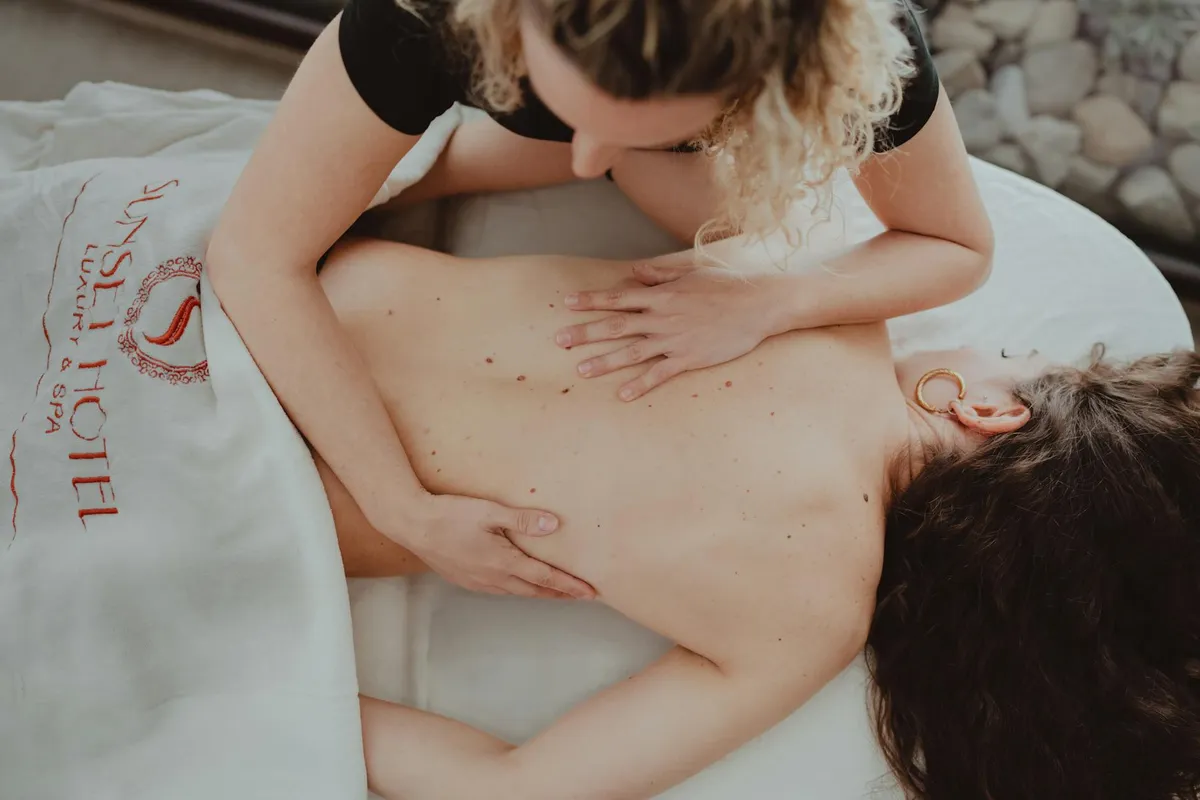
A couples massage lets you and your partner relax side by side in a shared private room, each receiving a personalized massage from your own dedicated therapist.
You and your partner arrive together and are greeted by two therapists who will guide you to your shared private room, where two massage tables are set up side by side.
Each therapist briefly reviews your individual health history forms and asks about any areas of tension, injuries, or pressure preferences so your massages can be customized separately.
Your therapists step out so you and your partner can undress to your comfort level and slip under the soft draping on your individual tables — you only uncover what is being worked on.
Both therapists begin at the same time, typically starting at the shoulders or back, using long flowing strokes to warm up the muscles and ease you into a relaxed state.
Each therapist works through your requested areas using techniques like Swedish strokes or deeper pressure, so your massage may feel quite different from your partner's based on your preferences.
Your therapist will quietly check in about pressure and comfort throughout, so feel free to speak up if anything needs adjusting — you do not need to stay silent.
Near the end of the session your therapist uses slower, gentler strokes to signal the close of the massage, allowing your body and mind to settle before you need to move.
Take your time getting up slowly, then enjoy a quiet moment together — your therapists will encourage you both to drink water and may suggest stretches or follow-up timing.
The Evidence
What research says about shared massage experiences, and where the evidence is strong, emerging, or still limited.
Builds on solid massage research; relationship benefits need more study
Individual massage therapy has well-documented benefits for stress, muscle tension, and mood. Couples massage extends this into a shared experience, but research on its specific relationship and bonding effects remains early-stage.
There is consistent evidence that massage therapy reduces stress hormones, eases muscle tension, and supports mood. However, studies examining couples massage specifically are scarce. The practice borrows credibility from individual massage research, but its unique effects as a shared or relational intervention have not been rigorously tested.
Massage itself spans thousands of years across Egyptian, Chinese, Indian, and Greek traditions. The couples format emerged in late 20th-century spa culture as a way to share therapeutic experiences. It sits within the Alternative category on Gyfts — a structured wellness practice rather than a traditional healing system.
Some emerging research suggests that shared positive activities can strengthen relational bonds and mutual wellbeing. Couples massage may offer this alongside its physical relaxation benefits. These psychosocial effects are plausible and worth noting, but should not be overstated — the evidence base here is preliminary.
Both partners should flag any recent injuries, chronic conditions, pregnancy, cardiovascular concerns, or blood-thinning medications before booking. Fever, open wounds, contagious skin conditions, or acute inflammation are reasons to postpone. Communicate pressure preferences clearly during the session and stay hydrated.
Either partner with cancer, blood clots, severe osteoporosis, uncontrolled high blood pressure, or recent surgery should obtain medical clearance before a session. These are not absolute barriers for everyone, but professional guidance ensures the experience is appropriate and safe for each individual's circumstances.
Couples massage can support relaxation and shared connection, but it is not a substitute for professional assessment of relationship difficulties, mental health concerns, or physical health conditions. Anyone navigating significant relationship challenges or health issues should seek qualified professional support alongside or instead of this practice.
Safety first
General guidance to help you decide whether this approach is appropriate for you. This is informational only and not a substitute for medical, psychological, or professional advice.
If you are pregnant, managing a health condition, recovering from injury or surgery, or taking medication, consult a qualified healthcare professional first.
Some situations call for extra care or a different approach. Share any conditions, injuries, or sensitivities with your practitioner before your first session.
Mild, short-lived effects such as tenderness, tiredness, or temporary soreness can occur. Rest, hydrate, and tell your practitioner how you respond.
Look for clear boundaries, transparent pricing, and practitioners who avoid fear-based claims or pressure to book frequent sessions.
For you?
A simple, human way to weigh it up. This is general guidance, not personal medical advice — a qualified practitioner can advise on your situation.
Gyfts is a discovery platform, not a medical provider. Nothing here diagnoses, treats or replaces professional care. In an emergency, contact your local emergency number.
Explore approaches
Other practices people often explore alongside couples massage.
In their words
FAQ
During a couples massage session, both partners receive simultaneous massages on separate tables in the same private room. Two licensed massage therapists typically work on each person, using techniques tailored to individual preferences. The session creates a shared relaxation experience while providing the therapeutic benefits of massage therapy to both partners.
The frequency of couples massage sessions depends on your wellness goals and preferences. Some couples enjoy monthly sessions for ongoing stress management and bonding, while others book sessions for special occasions or during stressful periods. Many couples find that regular sessions (every 4-6 weeks) help maintain both individual wellness and relationship connection.
No, each partner can receive different massage techniques based on their individual needs and preferences. One person might prefer deep tissue massage while the other enjoys Swedish massage. The therapists will customize each treatment while maintaining the shared experience aspect of couples massage.
Couples massage can benefit relationships at various stages, from new couples wanting to share relaxing experiences to long-term partners seeking to reconnect. However, couples experiencing significant relationship difficulties may benefit more from individual sessions or relationship counseling before engaging in intimate wellness practices together.
Yes — shared therapeutic touch has documented relational benefits beyond simple relaxation. Research on touch and oxytocin shows that physical closeness and synchronized relaxation together increase feelings of bonding and safety. Couples massage can serve as a meaningful shared experience for couples navigating stress, distance, or difficulty reconnecting. Some couples massage practitioners integrate relationship-awareness elements into the experience. It is not couples therapy, but the parasympathetic co-regulation that occurs can create conditions for greater ease and openness in the relationship.
References
Educational sources that inform this overview. Inclusion is for context and does not imply endorsement.
Full citations are maintained by the Gyfts editorial team and reviewed periodically.
Keep exploring
Browse practitioners, explore honest overviews, and take what you learn to a conversation — at your own pace.