A Living Tradition Beyond the Treatment Table
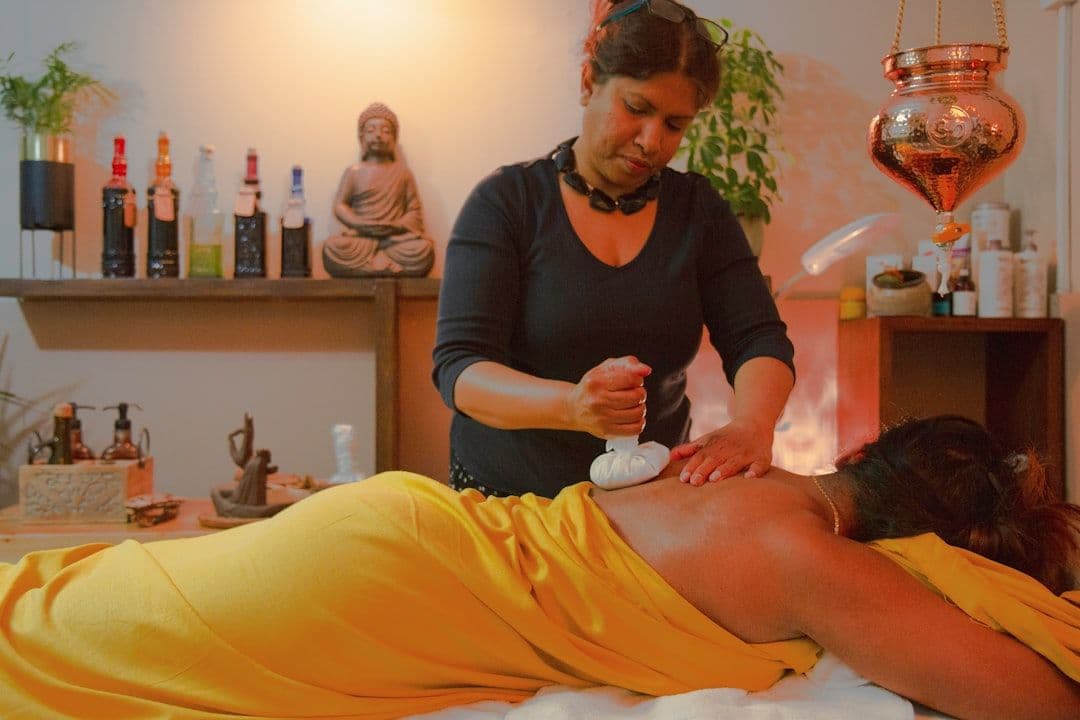
Watch a curandera work, and you'll witness something far more complex than massage. Her hands move with practised confidence across muscles and meridians, but she's also listening—to your breath, your stories, and what she perceives as disturbances in your spiritual field. Glass jars of home-prepared oils line her workspace alongside bundles of dried herbs, each selected for properties understood through generations of practice. This is curanderismo massage, where the boundary between physical therapy and spiritual healing dissolves entirely.
The practice operates from a worldview that sees illness not as isolated symptoms but as manifestations of deeper imbalances. A stiff neck might reflect not just muscular tension but spiritual blockages or emotional burdens that require attention to both body and soul. Practitioners—known as curanderas (female) or curanderos (male)—work to restore what they understand as harmony between these interconnected dimensions.
Roots in Two Worlds
Curanderismo emerged from the collision and blending of indigenous Mexican healing traditions with Spanish colonial influences and later African practices brought through slavery. Pre-Columbian healers had sophisticated understanding of herbal medicine and energy work; Spanish settlers introduced Catholic prayer and ritual elements; African traditions contributed additional spiritual and herbal knowledge.
This synthesis created a uniquely Mexican healing system that survived centuries of suppression and marginalisation. Families passed knowledge through apprenticeships, often from grandmother to granddaughter, preserving techniques that official medicine dismissed. As Mexican communities migrated north, curanderismo took root in Mexican-American neighbourhoods, adapting to new environments while maintaining core principles.
Today's curanderismo massage reflects this rich heritage whilst acknowledging modern health understanding. Practitioners might incorporate contemporary massage techniques alongside traditional sobadoras (traditional Mexican massage healers) methods, creating bridges between worlds of healing knowledge.
How Body and Spirit Interconnect
Within the curanderismo framework, physical symptoms rarely exist in isolation. Practitioners assess what they perceive as the client's spiritual temperature, emotional blockages, and energetic imbalances alongside muscular tension and joint mobility. They might identify susto (soul fright), mal de ojo (evil eye), or spiritual intrusions that require cleansing alongside physical manipulation.
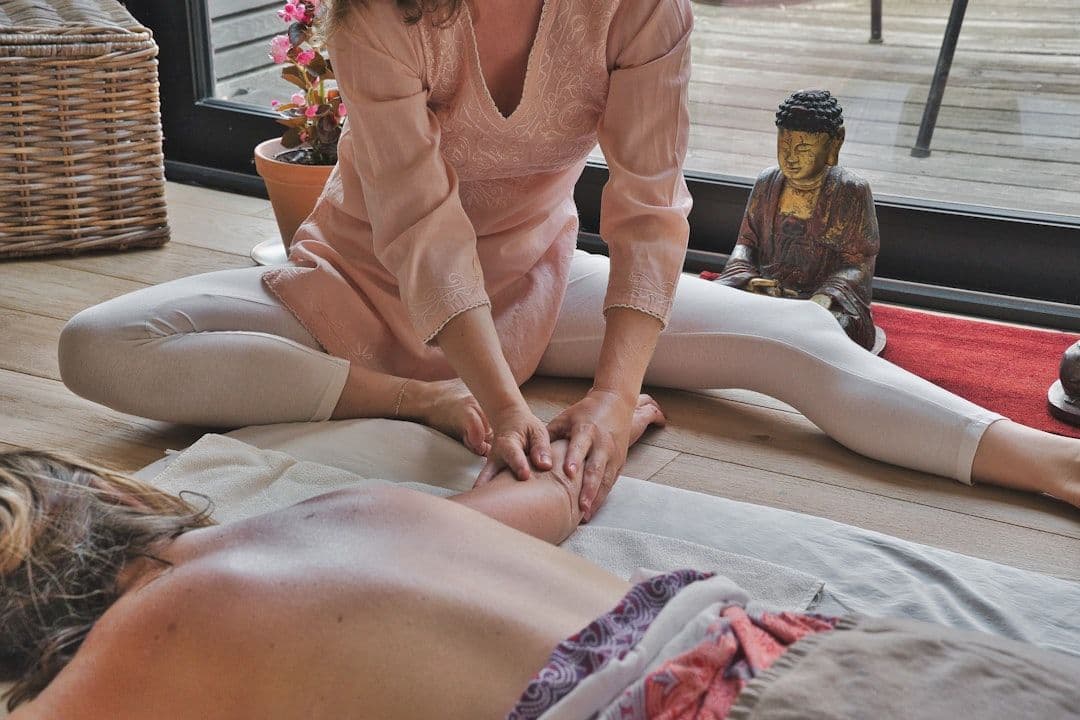
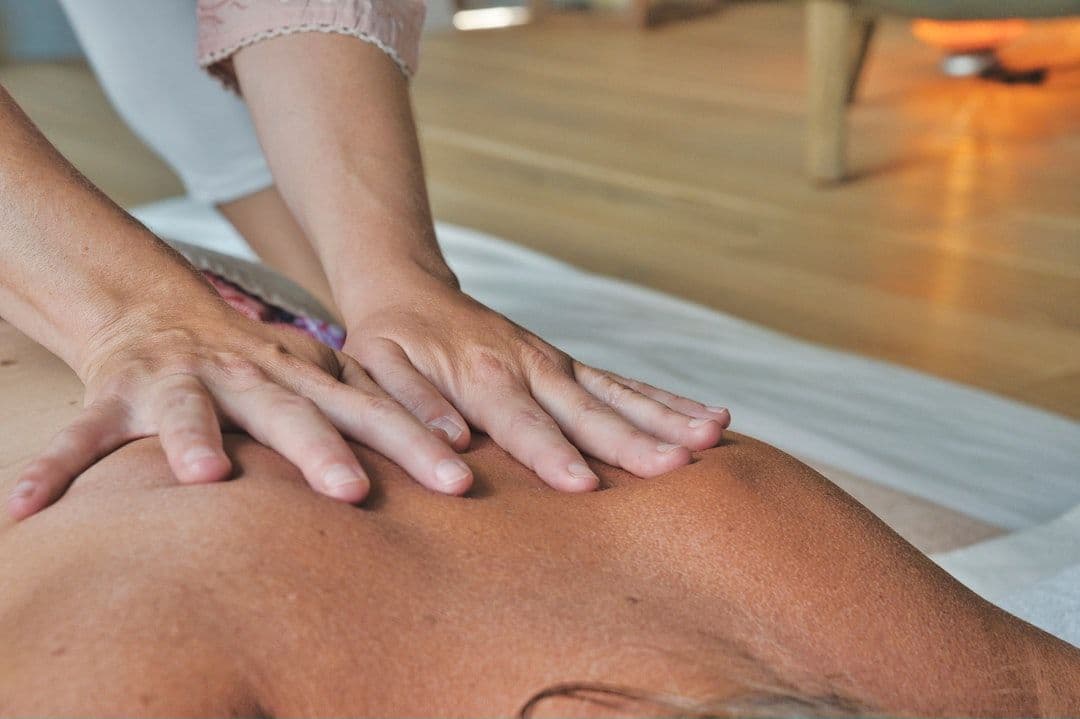
The massage component employs techniques familiar to bodywork practitioners—kneading, friction, and rhythmic pressure to release muscular tension and improve circulation. However, practitioners layer these with spiritual elements: prayers whispered over specific body areas, herbal oils chosen for energetic properties, and attention to what they understand as energy flow patterns throughout the body.
From a biomedical perspective, the physical massage components can reduce muscular tension, improve local circulation, and potentially trigger endorphin release. The ritual and spiritual elements may provide psychological comfort and stress reduction through their ceremonial structure and cultural resonance for clients from relevant backgrounds.
What Draws People to This Practice
Clients often seek curanderismo massage when conventional treatments haven't addressed their concerns fully. They might experience chronic pain that seems to have emotional components, stress-related symptoms that feel spiritual in nature, or simply desire healing approaches that honour their cultural background.
The practice particularly resonates with people who understand illness as involving spiritual dimensions. Someone dealing with anxiety following trauma might seek both the physical relaxation of massage and the spiritual cleansing that curanderismo provides. Others appreciate having their cultural healing traditions recognised and respected within a therapeutic setting.
Curanderismo massage can complement conventional medical care by addressing the emotional and spiritual aspects of health that biomedicine doesn't typically address. It may help people feel more grounded and culturally connected during healing processes.
Inside a Curanderismo Session
Sessions typically begin with conversation about not just physical symptoms but life circumstances, emotional states, and spiritual concerns. The curandera might perform a spiritual assessment, observing your energy field or using traditional diagnostic methods like reading the body's spiritual temperature.
The massage portion usually lasts 60-90 minutes, with the practitioner using herbal oils specific to your perceived needs. You might hear prayers in Spanish or indigenous languages, feel the practitioner working to remove what she understands as spiritual blockages, or experience the application of herbal poultices to specific areas.
Sessions often conclude with spiritual cleansing using smoke from burning herbs, blessings, or instructions for follow-up spiritual practices. Some practitioners recommend specific prayers, herbal teas, or ritual baths to continue the healing process at home. The entire experience feels more like a sacred healing ceremony than a clinical treatment.
Finding Authentic Practice
Authentic curanderismo practitioners typically learn through apprenticeships within Mexican or Mexican-American communities rather than formal certification programmes. Look for practitioners who can discuss their training lineage and demonstrate deep cultural knowledge of the tradition. Many work within community centres, cultural organisations, or holistic health clinics in areas with significant Latino populations.
Expect to pay £40-80 per session, though many practitioners offer sliding scale fees for community members. Some work on a donation basis, following traditional gift economy principles. Sessions are typically scheduled weekly or bi-weekly initially, then less frequently as your condition improves.
Since there's no formal regulatory body for curanderismo, focus on finding practitioners with strong community reputations and clear cultural connections to the tradition. Ask about their training, how long they've been practising, and whether they're recommended by others within their community.