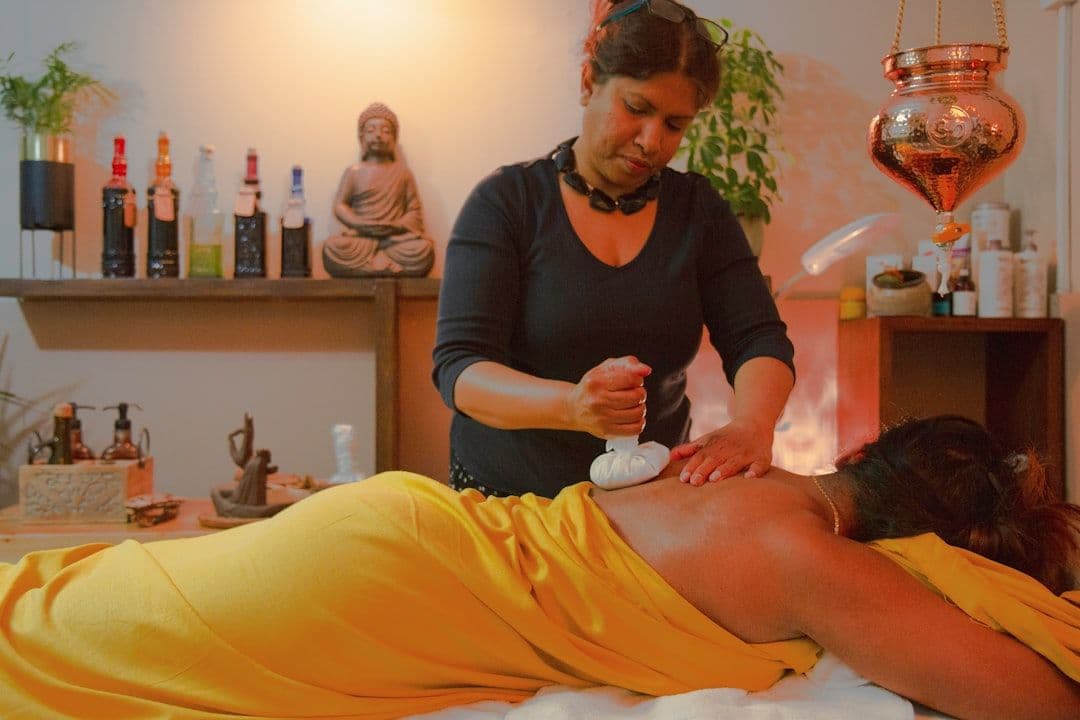
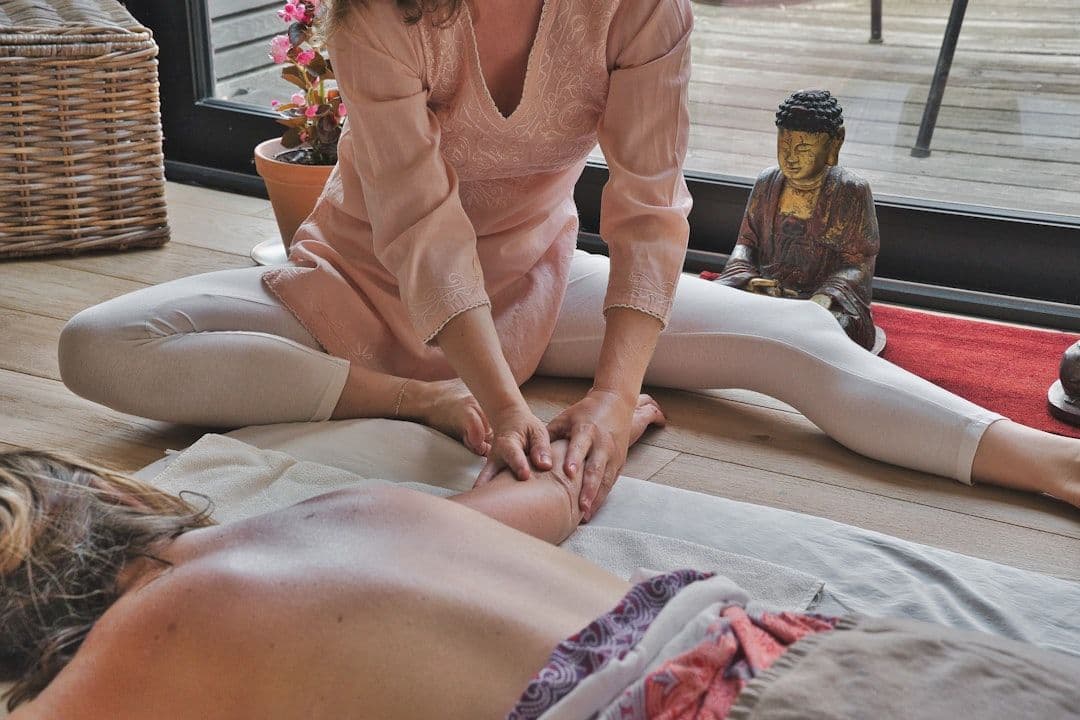
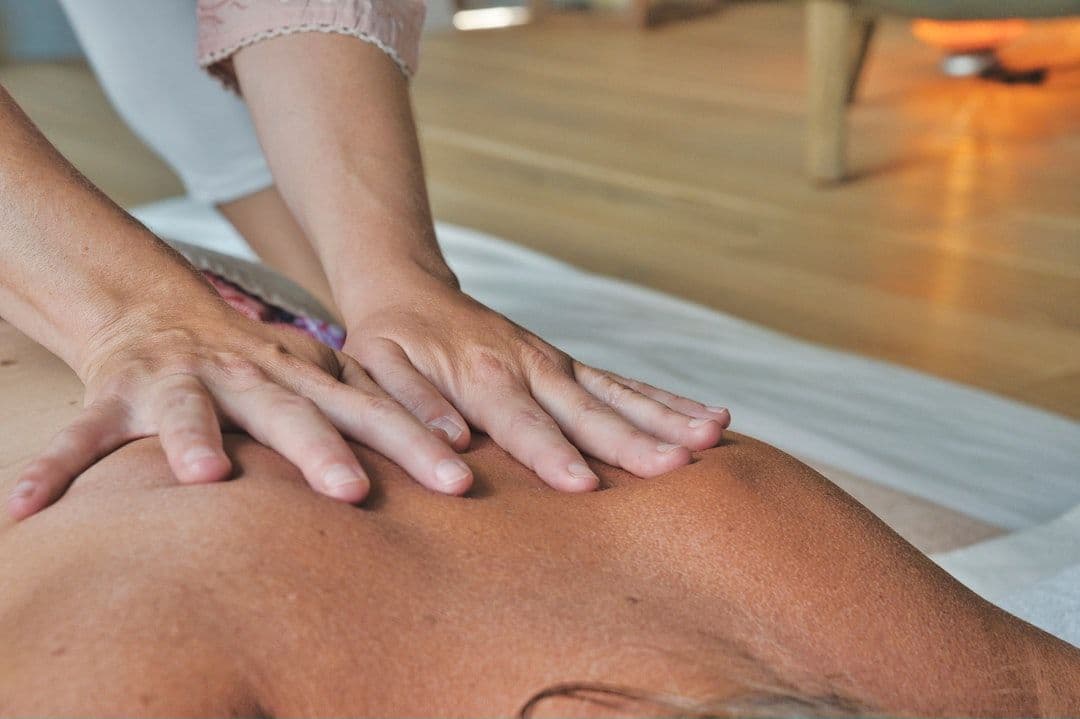
What it is
A Mexican folk healing tradition blending massage, spirituality, and indigenous wisdom.
Combines physical massage techniques with spiritual and energetic elements rooted in indigenous and folk medicine traditions
At a glance
What it is
A Mexican folk healing tradition blending massage, spirituality, and indigenous wisdom.
Why explore it
It may ease back pain, migraines, and anxiety while honoring your cultural and spiritual needs.
How it’s experienced
A curandero guides you through massage, herbal remedies, prayer, and ritual in one healing session.
Evidence context
Rooted in generations of tradition, though no clinical studies confirm its effects for any condition.
See the evidence snapshotSafety
Low risk with a trained curandero, but always consult a doctor for serious or ongoing health concerns.
See staying safeHistory & Origin
Curanderismo Massage blends massage techniques with traditional Mexican healing practices, incorporating spiritual elements for holistic healing.
Curanderismo is a traditional healing system with deep roots in Mexican and Mesoamerican indigenous cultures, blending pre-Columbian practices with Spanish colonial influences and elements of folk Catholicism. For centuries, curanderos (traditional healers) have served as keepers of ancestral knowledge, passing down healing wisdom through family lines and apprenticeships across Mexico and Latino communities throughout the Americas. These healers developed comprehensive approaches to treating illness that recognized the interconnection between body, mind, spirit, and community—a worldview fundamentally different from the biomedical model that emerged in Europe.
Curanderismo encompasses various healing modalities, including herbal medicine, prayer, ritual, and therapeutic touch. Massage within this tradition is not merely mechanical manipulation of muscles but a sacred practice infused with intention, spiritual protection, and energetic awareness. Curanderos traditionally believed that illness and suffering could stem from spiritual causes such as susto (fright), mal de ojo (evil eye), or energetic imbalances, and that healing required addressing these non-physical dimensions.
During the 20th and 21st centuries, as Latino populations migrated to urban centers in the United States and elsewhere, curanderismo practices adapted while maintaining core principles. Contemporary practitioners often integrate curanderismo massage with modern bodywork knowledge while honoring traditional spiritual frameworks. This modality has gained recognition within complementary health circles as an important cultural healing tradition worthy of respect and study, though it remains underrepresented in mainstream health discussions.
Today, curanderismo massage practitioners—both traditional and contemporary—continue to serve their communities with deep cultural knowledge and commitment to holistic healing. The practice represents an enduring example of how indigenous and traditional wisdom can address human suffering in ways that honor the whole person.
Mechanism
Curanderismo Massage is generally described as working through skilled touch, careful pacing, and the body's response to pressure, movement, warmth, or stillness. Practitioners may focus on muscle tone, joint comfort, circulation, breath, or relaxation depending on the method. Traditional explanations may also include energy flow or whole-person balance. Research support varies by modality, so the experience is best framed as supportive care with outcomes that vary. Curanderismo Massage combines manual soft-tissue techniques—such as rubbing, kneading, and rhythmic pressure—with traditional Mexican healing practices that view the body as interconnected with spiritual and energetic systems.
Your first visit
A typical session outline to help you feel prepared
A Curanderismo Massage session weaves traditional Mexican healing wisdom with hands-on bodywork, prayer, and sacred plant medicines to support your whole self — body, mind, and spirit.
Your curandera or curandero greets you warmly and invites you to share what has brought you in, including physical concerns, emotional weight, or spiritual unease. This conversation shapes the entire session.
Your practitioner asks about your lifestyle, stress, relationships, and any dreams or experiences that feel significant. Curanderismo views these as equally important as physical symptoms.
Before touch begins, your practitioner may pass an egg, bundle of herbs, or sacred object around your body to sense areas of energetic heaviness or imbalance. You remain clothed for this part.
The practitioner opens the session with prayer or spoken intention, often in Spanish or an indigenous language, and may burn copal or sage to clear the space. You are invited to breathe and arrive fully.
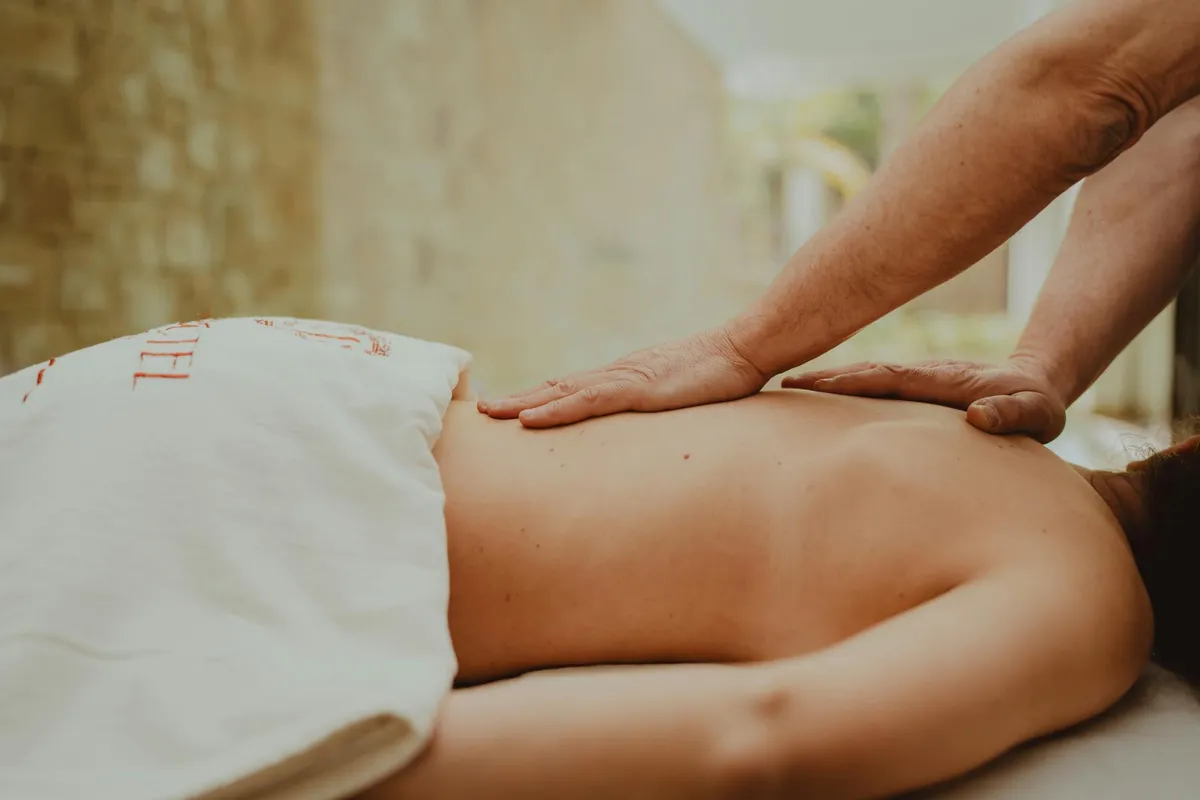
Using slow, intentional strokes and deeper manual techniques drawn from sobada tradition, your practitioner works along your muscles, abdomen, and soft tissue. Sacred oils or herbal preparations are applied to the skin.
Throughout the bodywork, your practitioner may pause to pray, sweep energy from your body, or apply warm herb compresses. You might feel heat, tingling, emotional release, or unexpected calm.
The practitioner brings the session to a gentle close with a final blessing or prayer, grounding you back into your body. You are given a few quiet moments before sitting up.
Your practitioner shares self-care recommendations, which may include herbal teas, rest, or simple rituals to continue your support at home. A follow-up visit may be suggested depending on your needs.
The Evidence
What research and tradition tell us about Curanderismo Massage, and where the limits of current evidence lie.
Rooted in generations of practice, limited formal research
Curanderismo Massage draws on centuries of Mexican and indigenous healing tradition. Some physical components share ground with researched massage techniques, but the practice as a whole has not been studied through conventional clinical frameworks.
Curanderismo integrates pre-Columbian indigenous knowledge, Spanish colonial influences, and folk Catholic traditions into a coherent healing system. Massage within this tradition is understood as intentional, spiritually informed touch rather than mechanical technique alone. The absence of clinical trials reflects a difference in epistemology, not a weakness of the practice.
Massage techniques broadly have moderate research support for reducing muscle tension, improving circulation, and lowering perceived stress. However, these findings do not directly apply to Curanderismo Massage as a culturally integrated practice. The spiritual, energetic, and ritual dimensions are not measurable through conventional methods and have not been evaluated in clinical studies.
Within the MACH framework, this practice sits firmly in the Holistic category. It does not separate physical discomfort from emotional or spiritual wellbeing. Practitioners work with the whole person, and outcomes are understood in terms of restored balance across these dimensions rather than isolated symptom change.
Curanderismo is increasingly recognised within integrative health fields as a legitimate cultural health system. For communities where it originates, it carries deep relational and spiritual significance that biomedical frameworks do not capture. Practitioners are often embedded in community trust built over generations, which itself plays a role in the healing experience.
Because Curanderismo Massage has not been studied in controlled trials, it is not possible to confirm specific outcomes through a conventional evidence lens. This does not invalidate the tradition, but it does mean individuals should approach outcome expectations with openness rather than certainty. It is not a substitute for professional assessment of serious or undiagnosed health concerns.
Those with acute injuries, recent surgery, serious cardiovascular conditions, or undiagnosed pain should consult a healthcare provider first. Avoid massage over open wounds, active infections, or inflamed areas. Disclose your full health history to your practitioner, and be cautious of any practitioner making inflated outcome claims or discouraging you from seeking qualified medical care.
Safety first
General guidance to help you decide whether this approach is appropriate for you. This is informational only and not a substitute for medical, psychological, or professional advice.
If you are experiencing severe distress, suicidal thoughts, psychosis, acute trauma, or another serious mental health concern, seek qualified support first.
This approach is not suitable for diagnosis, treatment instructions, or decisions that require medical, legal, financial, or professional advice.
Look for clear boundaries, transparent pricing, and practitioners who avoid fear-based claims or pressure to book frequent sessions.
Treat any insight as one reflective perspective, not absolute truth. Important decisions should be considered with appropriate professional support.
For you?
A simple, human way to weigh it up. This is general guidance, not personal medical advice — a qualified practitioner can advise on your situation.
Gyfts is a discovery platform, not a medical provider. Nothing here diagnoses, treats or replaces professional care. In an emergency, contact your local emergency number.
Explore approaches
Other practices people often explore alongside curanderismo massage.
In their words
FAQ
While curanderismo massage includes physical massage techniques, it differs fundamentally in philosophy and approach. Swedish massage is primarily therapeutic manipulation of muscle tissue. Curanderismo massage integrates physical work with spiritual intention, energy awareness, and traditional healing rituals. A curanderismo practitioner approaches the work as sacred healing rather than purely mechanical therapy.
Many practitioners suggest that openness and receptivity enhance the experience, though belief is not necessarily required. Some people appreciate the physical benefits of the massage while remaining neutral about spiritual elements. It's important to communicate with your practitioner about your comfort level so they can tailor the session appropriately.
The number of sessions varies depending on your specific concerns and goals. Some people benefit from regular weekly or biweekly sessions to address deeper patterns, while others do monthly maintenance sessions. Acute issues may resolve in a few sessions, while chronic conditions or spiritual work often requires ongoing commitment. Your practitioner will discuss a treatment plan based on your needs.
Experiences vary widely. Some people feel deeply relaxed, experience emotional release or crying, or sense shifts in energy. Others feel grounded and peaceful, or experience clarity about life situations. Physical sensations might include warmth, tingling, or heaviness as tension releases. It's common to feel sleepy or to need quiet time after a session. Occasionally, people experience temporary emotional processing as old trauma surfaces for healing.
Curanderismo is primarily a traditional healing practice with deep cultural roots rather than a modality built on clinical research. While some components—such as massage's effects on muscle tension and stress—have scientific support, the spiritual and energetic aspects are not measurable by conventional scientific methods. Many practitioners and community members value the wisdom and effectiveness demonstrated through generations of use, while recognizing this differs from clinical evidence.
No. Curanderismo massage is a complementary practice best used alongside conventional medical care, not as a replacement. If you have a diagnosed medical condition, continue your medical treatment and inform both your doctor and massage practitioner about all care you're receiving. Always seek immediate medical attention for emergencies.
Training varies. Traditional practitioners typically learn through family lineage, apprenticeship with an experienced curandero, and years of practice. Contemporary practitioners may combine traditional knowledge with formal massage training or certification programs. It's appropriate to ask about a practitioner's training, experience, and how they approach the work.
References
Educational sources that inform this overview. Inclusion is for context and does not imply endorsement.
Full citations are maintained by the Gyfts editorial team and reviewed periodically.
Keep exploring
Browse practitioners, explore honest overviews, and take what you learn to a conversation — at your own pace.