The Foundation of Touch Therapy
Watch any skilled massage therapist begin a session, and you'll witness effleurage in action: those long, sweeping strokes that seem to map the territory of your body before deeper work begins. The practitioner's hands move in continuous, flowing motions—up your back, along your arms, across your shoulders—each stroke covering substantial ground with gentle, consistent pressure.
These aren't merely preparatory movements. Effleurage represents one of massage therapy's most fundamental techniques, a method of touch that creates profound physiological shifts through its elegant simplicity. The word itself derives from the French 'effleurer', meaning 'to skim' or 'to touch lightly'—though the technique encompasses a range of pressures from feather-light to moderately firm.
Unlike targeted pressure point work or deep tissue manipulation, effleurage treats the body as interconnected terrain. Each stroke acknowledges the natural flow of blood and lymph, the grain of muscle fibres, the way tension patterns spread across fascial planes. It's touch that honours anatomy whilst creating an experience of wholeness.
From Swedish Tradition to Modern Practice
Effleurage emerged as a cornerstone of Swedish massage in the 19th century, developed by Per Henrik Ling as part of his systematic approach to therapeutic movement and touch. Ling, a Swedish physician and gymnastics instructor, sought to create a medical system that combined physical manipulation with an understanding of anatomy and physiology.
The technique spread rapidly throughout Europe and North America, becoming integral to what we now recognise as classical massage therapy. Unlike many traditional healing practices that remained culturally specific, effleurage transcended its Scandinavian origins to become a universal language of therapeutic touch.
Today, you'll find effleurage principles woven throughout diverse massage traditions—from sports massage warm-ups to lymphatic drainage protocols to relaxation-focused treatments in spa settings. Its adaptability lies in its fundamental alignment with how the human nervous system responds to gentle, rhythmic touch.
How Gentle Touch Creates Change
Within the framework of massage therapy, effleurage works through mechanical and neurological pathways. The long, gliding strokes stimulate mechanoreceptors—pressure-sensitive nerve endings in your skin and deeper tissues. These receptors send signals that travel faster than pain signals, effectively 'closing the gate' on discomfort whilst simultaneously triggering relaxation responses.
The direction of effleurage strokes follows anatomical logic. Practitioners typically work towards the heart, supporting venous return and lymphatic drainage. This isn't merely traditional wisdom—it reflects an understanding of circulation patterns and the body's natural fluid dynamics.
From a biomedical perspective, research shows that rhythmic, moderate-pressure touch activates the parasympathetic nervous system within minutes. Heart rate slows, blood pressure drops, stress hormone levels decrease. Brain imaging studies reveal increased activity in regions associated with emotional regulation and decreased activity in areas linked to anxiety and hypervigilance. These aren't subtle changes—they're measurable physiological shifts that explain why effleurage feels profoundly calming even when applied over clothing or through light covering.
Who Finds Effleurage Helpful
People seeking effleurage often share certain characteristics: they value gentle approaches over intensive interventions, prefer treatments that address overall wellbeing rather than targeting specific problems, and typically respond well to nurturing forms of touch.
Those managing stress-related muscle tension frequently find effleurage particularly beneficial. Unlike deep tissue work that can sometimes increase short-term discomfort, effleurage creates immediate relaxation without triggering protective responses. This makes it especially suitable for people whose tension stems from anxiety, overwork, or nervous system hypersensitivity.
People in recovery—whether from injury, surgery, or chronic illness—often gravitate towards effleurage's supportive qualities. The technique promotes circulation without demanding much from already stressed systems. Similarly, those with conditions like fibromyalgia or chronic fatigue syndrome may find effleurage's gentle approach more tolerable than pressure-based techniques.
What to Expect in a Session
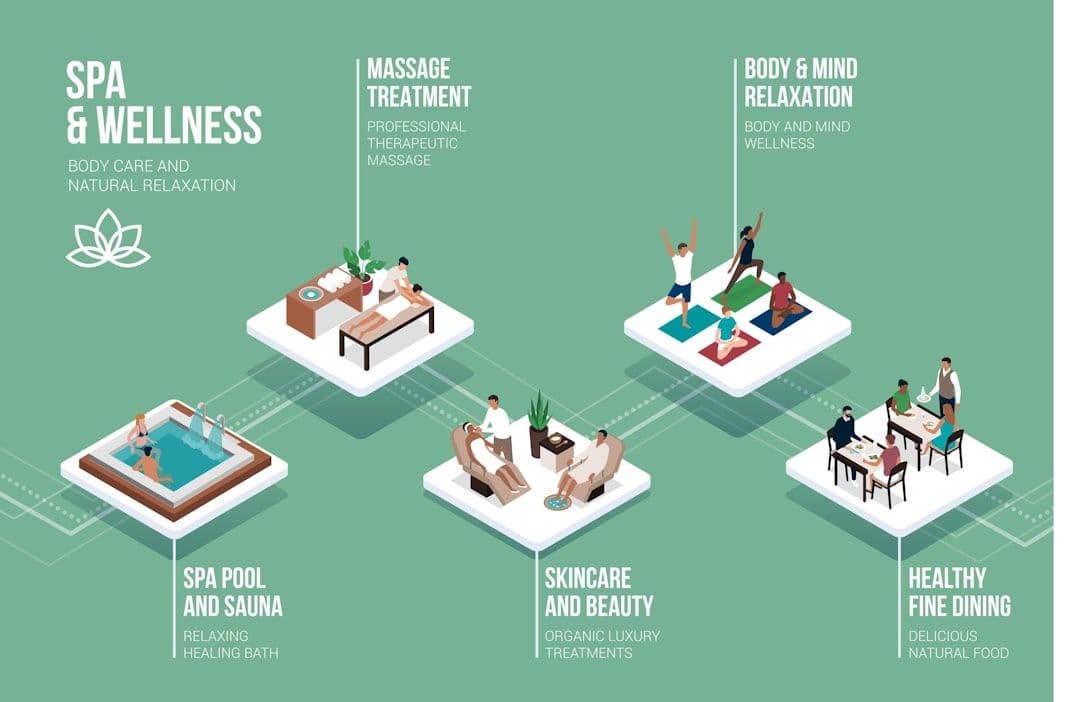
An effleurage-focused session typically begins with you lying comfortably on a massage table, covered with towels or sheets that are moved to expose only the area being worked on. The practitioner starts with light contact, perhaps simply resting their hands on your back to establish connection and assess tension patterns.
The strokes themselves have a distinctive quality—continuous rather than choppy, covering broad areas rather than focusing on points. You might feel the practitioner's palms moving up either side of your spine, their forearms gliding along your legs, or their hands tracing the contours of your shoulders and arms. Pressure remains consistent within each stroke, building gradually if deeper work is appropriate.
Sessions usually last 30 to 90 minutes, with effleurage either comprising the entire treatment or forming the foundation for other massage techniques. Many people find themselves deeply relaxed within the first ten minutes, sometimes even drifting into a meditative state or light sleep. This isn't unusual—it's often exactly what the nervous system needs.
Finding Qualified Practitioners
Qualified massage therapists in the UK should hold recognised qualifications from bodies such as VTCT, ITEC, or CIBTAC, along with current registration with the Complementary & Natural Healthcare Council (CNHC) or membership of professional organisations like the Federation of Holistic Therapists (FHT).
Expect to pay £40-80 for a session, with variations depending on location, practitioner experience, and treatment duration. Many therapists offer effleurage as part of Swedish massage or relaxation treatments rather than as a standalone service.
When choosing a practitioner, ask about their training in Swedish massage techniques and their approach to pressure—effleurage should feel nurturing, never painful or aggressive. Many qualified therapists will discuss your preferences beforehand and adjust their approach accordingly. Look for someone who creates a calm, professional environment and takes time to understand what you hope to gain from the treatment.