What it is
Effleurage uses slow, gliding strokes along muscles to ease tension and invite relaxation.
Effleurage is a gentle massage technique involving long, gliding strokes applied with light to moderate pressure, commonly used to promot...
At a glance
What it is
Effleurage uses slow, gliding strokes along muscles to ease tension and invite relaxation.
Why explore it
It may help reduce stress, calm the mind, and support recovery before or after physical activity.
How it’s experienced
A practitioner glides oiled hands along your muscles for 30 to 60 minutes, leaving you feeling lighter.
Evidence context
General massage research offers some support, but studies specific to effleurage are still limited.
See the evidence snapshotSafety
Generally safe for healthy adults, but check with a doctor if you have DVT, recent surgery, or are pregnant.
See staying safeHistory & Origin
Effleurage is a gentle massage technique used for relaxation, stress reduction, and muscle relaxation.
Effleurage derives from the French word "effleurer," meaning "to touch lightly," and became systematized as a core massage technique in the early 19th century. Swedish physician Henrik Ling, often credited as the father of Swedish massage, developed a comprehensive system of massage techniques that included effleurage as a foundational stroke. Ling's work, formalized in the 1850s, emphasized the physiological benefits of rhythmic, flowing movements to stimulate circulation and promote relaxation.
As Swedish massage spread throughout Europe and North America during the late 19th and early 20th centuries, effleurage became a standard technique taught in massage schools and practiced by both professional therapists and lay practitioners. The technique gained particular popularity in spa and wellness settings, where its calming properties made it ideal for stress reduction and general well-being. Its gentle nature and accessibility contributed to its widespread adoption across different massage traditions and complementary health practices.
Today, effleurage remains a cornerstone of massage therapy education and practice worldwide. It is recognized in clinical settings, wellness centers, and spa environments as an effective preliminary and closing technique for massage sessions. The technique's enduring popularity reflects both its practical effectiveness for relaxation and its ease of learning, making it accessible to both professional practitioners and individuals seeking basic massage skills.
Mechanism
Effleurage is generally described as working through skilled touch, careful pacing, and the body's response to pressure, movement, warmth, or stillness. Practitioners may focus on muscle tone, joint comfort, circulation, breath, or relaxation depending on the method. Traditional explanations may also include energy flow or whole-person balance. Research support varies by modality, so the experience is best framed as supportive care with outcomes that vary. Effleurage employs long, continuous gliding strokes applied with light to moderate pressure, typically following the direction of lymph and blood flow toward the heart.
Your first visit
A typical session outline to help you feel prepared
A gentle, flowing massage experience using long, gliding strokes and warm oil to ease tension and encourage deep relaxation from head to toe.
Your practitioner will ask about your health history, any areas of tension, and what you're hoping to get from the session, so the strokes can be tailored to your needs.
You'll be shown to a comfortable, padded massage table with soft linens. Your practitioner will step out while you undress to your comfort level and settle under the draping sheet.
Your practitioner warms a nourishing carrier oil between their palms before it ever touches your skin, so the first contact feels soothing rather than startling.
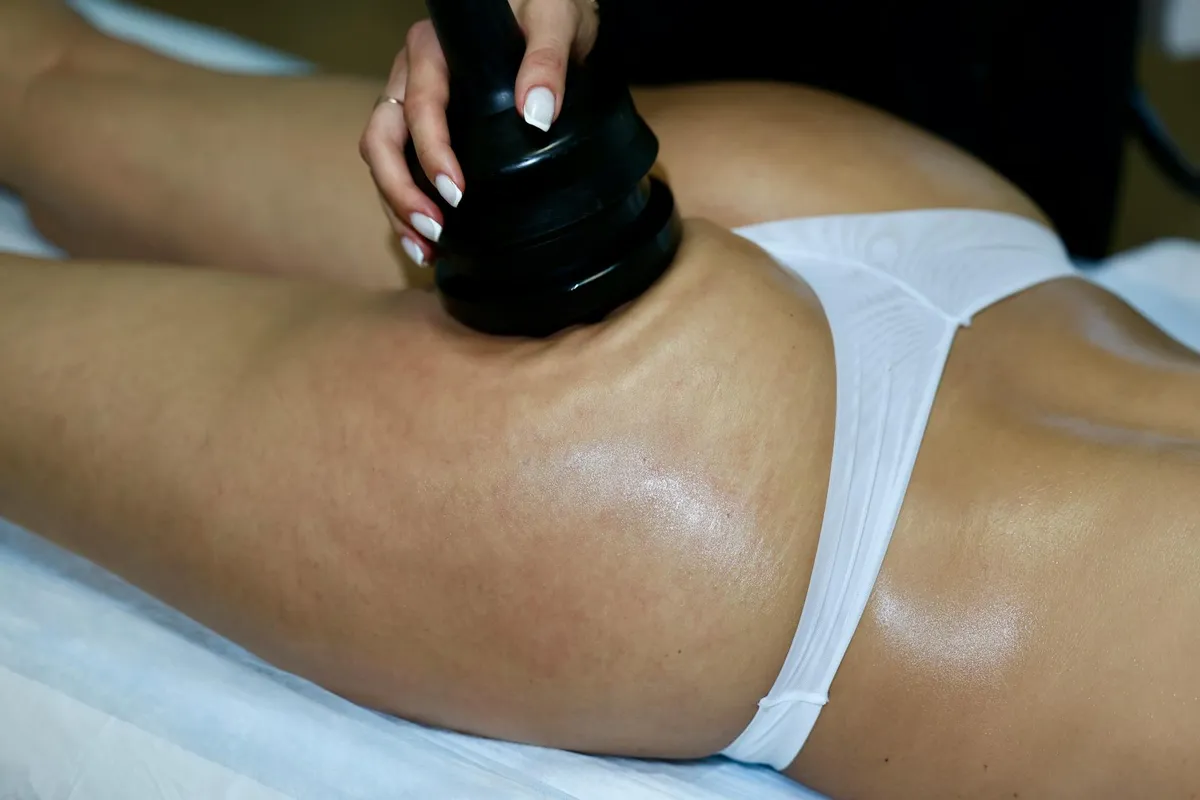
Long, slow gliding strokes are applied along your back or limbs, always moving in the direction of the heart. The pressure is light to moderate and the rhythm feels steady and unhurried.
Your practitioner moves methodically through different areas of the body, using broad, sweeping effleurage strokes to warm the tissue, improve circulation, and gently release surface tension.
You may feel a pleasant warmth spreading through your skin, a gentle heaviness in your limbs, or a natural urge to drift. Breathing slows, and many people find themselves deeply relaxed.
Strokes gradually become lighter and slower toward the end of the session, signaling to your body that it's time to gently return to wakefulness. Your practitioner will let you know when they're finished.
You'll be given a few minutes to reorient before rising slowly. Drinking plenty of water and resting for the remainder of the day helps your body make the most of the session.
The Evidence
What research and tradition tell us about effleurage, and where the evidence is strong, limited, or still developing.
Gentle technique with a long tradition and modest relaxation research
Effleurage is long-practised in massage therapy and informed by broader massage therapy research, which shows modest effects for relaxation and stress reduction. Evidence specific to effleurage as an isolated technique remains limited, as most studies examine massage as a whole.
Systematic reviews of massage therapy show modest to moderate effects on stress, anxiety, and perceived discomfort, with the strongest findings for immediate post-session relaxation. Most studies examine full massage protocols rather than isolating effleurage, so technique-specific conclusions are difficult to draw. Evidence quality is also constrained by small sample sizes and challenges with blinding in massage research.
The term comes from the French for 'to touch lightly.' Henrik Ling's systematic approach to massage in the 1850s established effleurage as a core technique, emphasising rhythmic strokes to support circulation and relaxation. It spread widely through European and North American wellness practice and remains a standard technique in massage education today.
As a specific stroke technique within massage therapy, effleurage is best understood as a Complementary practice — used alongside conventional care rather than in place of it, and grounded in observable physical mechanisms such as mechanoreceptor stimulation and circulatory support. It is widely used in wellness, spa, and integrative settings as a standalone or complementary practice for relaxation and general wellbeing.
Gliding strokes stimulate skin mechanoreceptors, which may trigger the body's relaxation response and reduce perceived tension. Gentle pressure in the direction of lymph and blood flow is thought to support fluid movement. These mechanisms are plausible and consistent with broader massage research, though direct evidence isolating effleurage remains limited.
Consult a healthcare provider before receiving effleurage if you have deep vein thrombosis, active infection, recent surgery, uncontrolled blood pressure, severe osteoporosis, or are pregnant. Avoid application over open wounds, active skin conditions, or areas of acute inflammation. Always inform your practitioner of your full health history before a session.
Research on effleurage specifically — rather than massage broadly — is sparse, and effect sizes in massage studies are often modest. It is not a substitute for professional assessment of underlying health conditions. Benefits are generally short-term and session-dependent, and individual responses vary. Inflated outcome claims should be viewed with caution.
Safety first
General guidance to help you decide whether this approach is appropriate for you. This is informational only and not a substitute for medical, psychological, or professional advice.
If you are pregnant, managing a health condition, recovering from injury or surgery, or taking medication, consult a qualified healthcare professional first.
Some situations call for extra care or a different approach. Share any conditions, injuries, or sensitivities with your practitioner before your first session.
Mild, short-lived effects such as tenderness, tiredness, or temporary soreness can occur. Rest, hydrate, and tell your practitioner how you respond.
Look for clear boundaries, transparent pricing, and practitioners who avoid fear-based claims or pressure to book frequent sessions.
For you?
A simple, human way to weigh it up. This is general guidance, not personal medical advice — a qualified practitioner can advise on your situation.
Gyfts is a discovery platform, not a medical provider. Nothing here diagnoses, treats or replaces professional care. In an emergency, contact your local emergency number.
Explore approaches
Other practices people often explore alongside effleurage.
In their words
FAQ
A typical effleurage session begins with a brief consultation about your health and goals. You then lie on a massage table, and the practitioner applies warm oil and performs long, gliding strokes across your muscles using gentle to moderate pressure. The strokes follow muscle direction and typically move toward the heart. Sessions usually last 30–90 minutes and are deeply relaxing. After the session, you'll rest briefly before gradually returning to normal activity.
Many people feel immediate relaxation and reduced tension after a single session. However, for cumulative stress reduction and sustained benefits, regular sessions—weekly, bi-weekly, or monthly—are often recommended. Your practitioner can suggest a personalized schedule based on your goals and response to treatment.
Effleurage is a core technique within Swedish massage, but Swedish massage typically incorporates multiple techniques including petrissage (kneading), friction, and tapotement (percussion), in addition to effleurage. Effleurage focuses specifically on long, gliding strokes, while Swedish massage uses a combination of methods.
Effleurage can be adapted for sensitive skin using gentle pressure and hypoallergenic oils or lotions. Always inform your practitioner about skin sensitivities so they can adjust pressure and product choice accordingly. A patch test beforehand can help identify any reactions.
Prenatal massage using effleurage can be safe during pregnancy when performed by a therapist trained in prenatal techniques. Certain areas and pressures must be avoided, and positioning is adjusted for safety. Always consult your healthcare provider before beginning massage during pregnancy.
After a session, rest for 15–30 minutes if possible, drink water to rehydrate, and avoid strenuous activity for the remainder of the day. Many people feel deeply relaxed and may be drowsy, which is normal and beneficial. Avoid driving if you feel significantly relaxed.
Yes, basic effleurage techniques can be learned from instructional resources, massage classes, or practitioners. Many people use simple effleurage strokes on themselves or loved ones for relaxation. Formal training enhances technique and safety, especially if treating others regularly.
Effleurage is gentler and more relaxation-focused than deep tissue, trigger point, or sports massage techniques, which use more intense pressure. It is often used in combination with other techniques. The choice depends on your goals: effleurage excels at relaxation and stress reduction, while deeper techniques target specific muscle problems.
References
Educational sources that inform this overview. Inclusion is for context and does not imply endorsement.
Full citations are maintained by the Gyfts editorial team and reviewed periodically.
Keep exploring
Browse practitioners, explore honest overviews, and take what you learn to a conversation — at your own pace.