Preparing for Your Session
Arrive wearing comfortable, loose-fitting clothes that won't restrict your breathing or circulation. Avoid heavy meals for two hours beforehand, though a light snack is fine if you're hungry. Skip caffeine for several hours before your session, as it can make settling into a calm state more challenging.
Bring a light blanket or shawl if you tend to feel cold when sitting still. Many people find their body temperature drops slightly during meditation as their metabolism slows. Remove contact lenses if they tend to dry out, and silence your mobile phone completely.
If you're attending a group session, plan to arrive 10 minutes early. This buffer allows you to settle in without feeling rushed, use the facilities if needed, and have a brief conversation with your instructor about any concerns or physical limitations.
The Session Unfolds
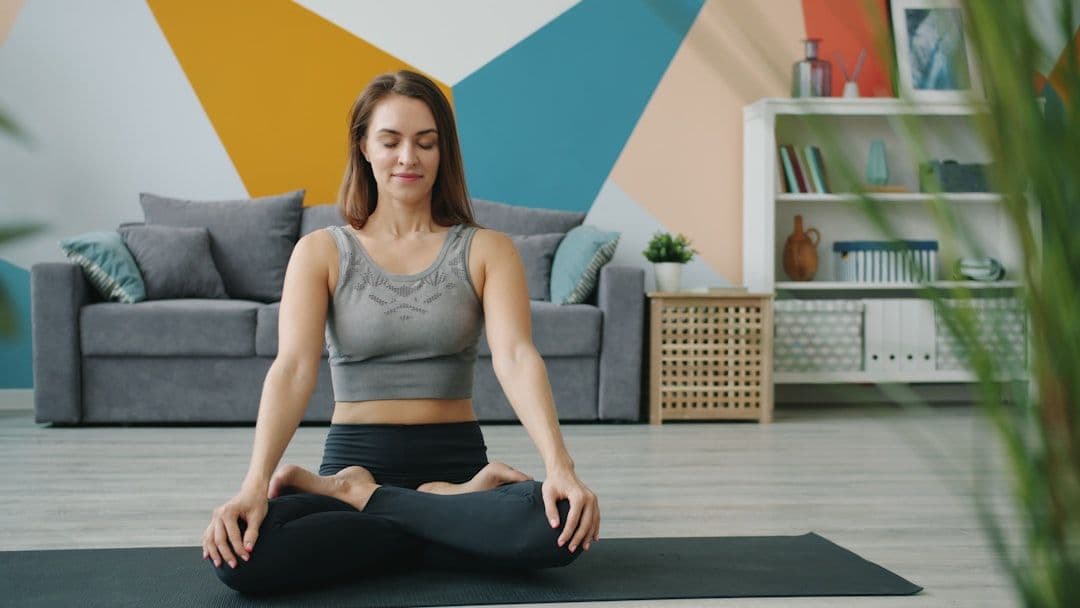
Your instructor will guide you to a comfortable seated position—either on a chair with your feet flat on the floor or cross-legged on a cushion. The room will likely be dimly lit with minimal background noise. You'll be invited to close your eyes gently, as if your eyelids are simply growing heavy.
The first few minutes focus on settling in. Your instructor's voice will guide you to notice your breath, your body's contact with the chair or floor, and any sounds around you. This isn't about forcing anything to happen—simply observing what's already there. Many people notice their breathing naturally begins to slow and deepen.
The middle portion varies depending on the style. You might focus on breath awareness, body scanning, or observing thoughts without judgment. Sessions typically run 10-20 minutes for beginners, extending to 45 minutes for more experienced practitioners. Your instructor will provide gentle reminders when your attention wanders—which it will, and should.
Towards the end, you'll gradually be guided back to awareness of your surroundings. This re-emergence happens slowly, often with gentle movement of fingers and toes before opening your eyes. Rushing this transition can feel jarring.
What You Might Experience
Your first session may feel surprisingly busy mentally. Racing thoughts, physical restlessness, or awareness of every small sound is completely normal. Some people worry they're "doing it wrong" when their mind feels active, but this awareness of mental activity is actually the beginning of mindfulness.
Physically, you might notice your breathing change rhythm, tension releasing from your shoulders, or a sense of heaviness in your limbs. Some people experience tingling sensations, feeling lighter, or temporary muscle twitches as their nervous system shifts states. Others feel little physical change initially.
Emotionally, responses vary widely. Many people feel calmer and more centred immediately afterwards. Others might feel slightly emotional or introspective. Occasionally, suppressed feelings surface during quiet moments—this is natural and often indicates the process is working. If emotions feel overwhelming, open your eyes and ground yourself by focusing on your surroundings.
Some people feel energised after meditation, while others feel pleasantly drowsy. Both responses are normal and tend to stabilise with regular practice.
After Your Session
Move slowly when standing up, especially if you've been sitting for longer periods. Some people feel slightly light-headed initially as their blood pressure adjusts. Take a few moments to notice how you feel before rushing into your next activity.
Avoid intense stimulation immediately afterwards—loud music, heated discussions, or demanding tasks can feel jarring. Instead, maintain the sense of quiet alertness for as long as feels comfortable. Many people find this is an excellent time for gentle activities like reading, walking, or having a quiet conversation.
Stay well-hydrated throughout the day, as some people notice they feel thirstier after meditation. Avoid making major decisions immediately after sessions until you understand how the practice affects you personally. The clarity that often follows can be valuable, but it's worth distinguishing between genuine insight and post-meditation euphoria.
Keep a brief note about your experience if you wish—what you noticed, how you felt, any insights that arose. This can help you track patterns and progress over time.
Building Your Practice
Most instructors recommend starting with weekly guided sessions for the first month while establishing a personal practice at home. Even five minutes daily proves more beneficial than longer but irregular sessions. Group classes provide structure and community support, while home practice develops independence and personal rhythm.
Noticeable changes typically emerge after 2-4 weeks of consistent practice. Early benefits often include falling asleep more easily, feeling less reactive to stress, and improved concentration. Deeper changes—increased emotional resilience, greater self-awareness, or spiritual insights—tend to develop over months rather than weeks.
Many people find benefit in attending a structured course, such as an 8-week mindfulness programme. These provide progressive instruction and peer support whilst establishing sustainable habits. After completing initial training, some practitioners continue with weekly group sessions for ongoing support and deeper exploration.
The practice evolves as you do. What feels challenging initially often becomes a source of refuge and renewal. Trust the process and be patient with yourself as you develop this valuable skill.