What it is
A simple inward-focused practice used across traditions to ease stress, anxiety, and poor sleep.
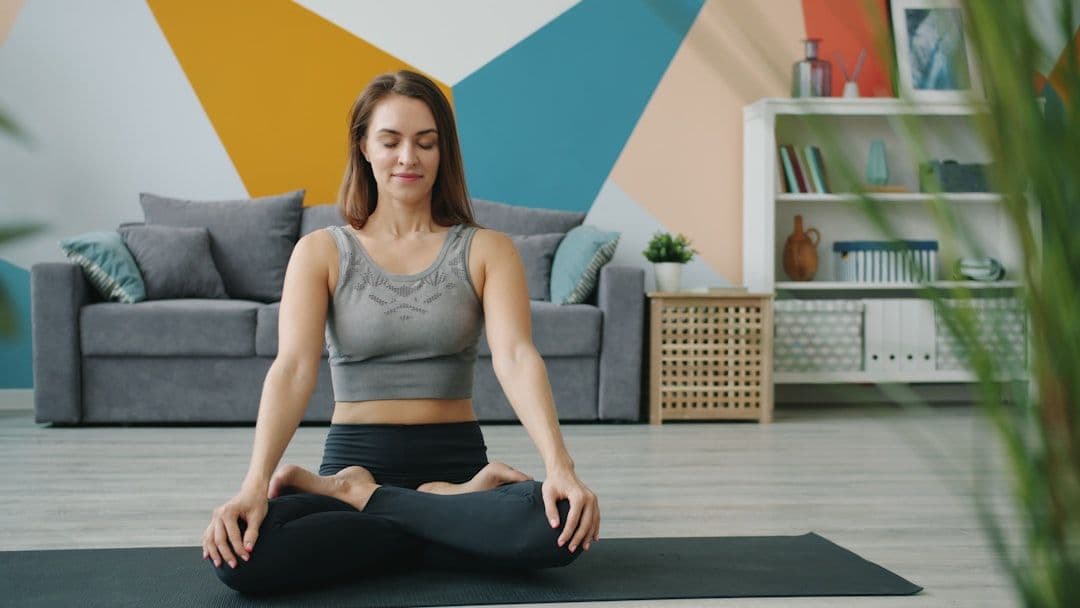
Eyes Closed Meditation is a foundational meditation technique where practitioners close their eyes to deepen inner focus, concentration, ...

At a glance
What it is
A simple inward-focused practice used across traditions to ease stress, anxiety, and poor sleep.
Why explore it
Closing your eyes may calm your nervous system, lower stress hormones, and support better sleep.
How it’s experienced
Sit comfortably, close your eyes, and follow your breath for 10 to 20 minutes each session.
Evidence context
Research shows promising benefits for stress and sleep, though daily practice tends to deepen results.
See the evidence snapshotSafety
Low risk for most adults; those with PTSD or dissociation should check with a mental health provider first.
See staying safeHistory & Origin
Eyes Closed Meditation involves closing the eyes to enhance the depth and focus of meditation practice.
Meditation with closed eyes has ancient roots across multiple spiritual and philosophical traditions. In Hindu and Buddhist practices dating back thousands of years, practitioners used eye closure as a fundamental technique to withdraw attention from external sensory input and direct awareness inward. This practice became formalized in classical yoga texts like the Yoga Sutras of Patanjali, which emphasized sensory withdrawal (pratyahara) as essential to deepening meditation.
In Buddhist traditions, particularly Theravada Buddhism, eyes-closed meditation became central to vipassana and samadhi practices, with detailed instructions preserved in texts like the Visuddhimagga. Similar practices emerged independently in Taoist contemplative traditions in China and Zen Buddhism in Japan, each developing nuanced approaches to eye positioning and internal focus.
The modernization of eyes-closed meditation in the West accelerated during the 20th century, particularly through teachers like Maharishi Mahesh Yogi, who popularized Transcendental Meditation in the 1960s, and through the mindfulness movement pioneered by Jon Kabat-Zinn in the 1970s. Research into meditation's physiological and psychological effects gained momentum, lending scientific credibility to practices that had been refined over millennia.
Today, eyes-closed meditation remains central to most meditation traditions worldwide, taught in clinical settings, wellness programs, schools, and corporations. It has become one of the most accessible and widely practiced complementary wellness techniques globally.
Mechanism
Eyes Closed Meditation is best framed as a traditional, symbolic, energetic, reflective, or spiritual practice rather than a validated medical mechanism. Practitioners may use ritual, attention, sound, imagery, touch-free work, cards, symbols, prayer, or intention to support meaning-making and a sense of connection. People may explore it for reflection, calm, or spiritual context, while health claims should remain cautious and personal. Eyes Closed Meditation involves closing the eyes to minimise external visual distractions and direct attention inward, a practice foundational to Hindu, Buddhist, and contemplative traditions spanning millennia.
Your first visit
A typical session outline to help you feel prepared
A guided eyes-closed meditation session gently walks you through breath and body awareness techniques to help you relax, turn inward, and cultivate a quieter mind.
Your guide starts with a relaxed chat about your meditation experience, what brought you here, and any goals you have, like reducing stress or improving sleep. This takes about 5 to 10 minutes and hel
You'll sit comfortably in a chair or on a cushion, with your hands resting gently in your lap. Your guide will invite you to close your eyes and simply notice how your body feels right now, without tr
Your guide will direct your attention to your natural breath, encouraging you to notice the rise and fall of your chest or belly. This anchors your focus and signals to your nervous system that it's safe to slow down.
Depending on your session, your guide may introduce a body scan, a simple mantra, or visualizations to help you move into a deeper state of relaxed awareness. Gentle verbal cues keep you oriented thro
At some point your guide will become quieter, giving you space to rest in the meditation on your own for a few minutes. Thoughts will come and go, and you'll practice gently returning attention to you
Your guide will softly bring you back by gradually reintroducing verbal guidance and inviting you to deepen your breath. You'll be encouraged to wiggle your fingers, become aware of the room, and take
After the session your guide will check in about what you noticed, whether that was physical relaxation, busy thoughts, or unexpected emotions. This brief conversation helps you understand your experi
Your guide will suggest a simple daily practice, even just five to ten minutes, that fits into your routine. Consistency between sessions is what helps the benefits of eyes-closed meditation deepen over time.
The Evidence
What research and tradition tell us about eyes-closed meditation, and where the evidence is strong or limited.
Well-studied practice with meaningful support for stress and wellbeing
Eyes-closed meditation has been researched extensively over decades, with consistent findings around stress reduction and emotional wellbeing. It sits within a rich contemplative heritage and is widely used as a self-care and reflective practice.
Systematic reviews find consistent support for meditation in reducing anxiety and improving sleep and mood. Effect sizes are modest to moderate. Most studies focus on general populations, and individual responses vary. Evidence is stronger for stress-related outcomes than for other areas.
Closing the eyes to withdraw from external stimulation and turn attention inward is a foundational act in many contemplative traditions. For many practitioners, the value lies in the quality of inner experience, self-awareness, and stillness — dimensions that sit outside the scope of clinical measurement and are best understood on their own terms.
Classical yoga texts formalised sensory withdrawal as a step toward deeper awareness. Theravada Buddhist texts preserved detailed guidance on eyes-closed samadhi and vipassana. Similar approaches developed independently in Taoist and Zen lineages. These traditions understood the practice primarily in terms of inner development, not health outcomes.
Many meditation studies use small samples, lack active control groups, or rely on self-report. The diversity of techniques grouped under 'meditation' makes direct comparison difficult. Benefits observed in research settings may not translate uniformly to everyday practice. Inflated outcome claims circulate widely and should be viewed with caution.
People with active psychosis, severe dissociative symptoms, or certain psychiatric conditions should speak with a mental health professional before beginning intensive inward-focused practice. For most people, the main considerations are physical comfort and a safe, undisturbed environment. Avoid deep meditation immediately before driving or operating machinery.
Because eyes-closed practice involves sustained inward sensory withdrawal, look for teachers experienced specifically in seated or inward-focused approaches rather than open-eye or movement-based modalities. If you are managing a health condition, let your healthcare provider know you are incorporating this practice. Eyes-closed meditation is not a substitute for professional assessment or care when either is needed.
Safety first
General guidance to help you decide whether this approach is appropriate for you. This is informational only and not a substitute for medical, psychological, or professional advice.
If you are experiencing severe distress, suicidal thoughts, psychosis, acute trauma, or another serious mental health concern, seek qualified support first.
This approach is not suitable for diagnosis, treatment instructions, or decisions that require medical, legal, financial, or professional advice.
Look for clear boundaries, transparent pricing, and practitioners who avoid fear-based claims or pressure to book frequent sessions.
Treat any insight as one reflective perspective, not absolute truth. Important decisions should be considered with appropriate professional support.
For you?
A simple, human way to weigh it up. This is general guidance, not personal medical advice — a qualified practitioner can advise on your situation.
Gyfts is a discovery platform, not a medical provider. Nothing here diagnoses, treats or replaces professional care. In an emergency, contact your local emergency number.
Explore approaches
Other practices people often explore alongside eyes closed meditation.
In their words
FAQ
A typical session begins with finding a comfortable position and closing your eyes. Your instructor provides gentle spoken guidance to help you focus your attention inward—often on your breath, body sensations, or a chosen focal point. As your mind settles, you enter progressively deeper states of relaxation and inner awareness. Sessions typically last 20–60 minutes. The experience is individual; some people feel deeply peaceful, while others experience subtler shifts in their mental state.
Benefits often begin to emerge after consistent practice over 2–4 weeks. However, the meditation itself is the practice—each session is complete and beneficial in itself. Most practitioners recommend daily home practice (10–30 minutes) supported by periodic guided sessions (weekly or monthly) for sustained, deepening benefits. The 'right' number varies by individual goals and lifestyle.
A common misconception is that meditation requires eliminating all thoughts. In reality, your mind will continue to generate thoughts; this is normal and expected. The practice involves noticing thoughts without judgment and gently returning focus to your chosen point of attention. Over time, the intervals between thoughts may lengthen, and you may experience moments of mental quietness, but the goal is awareness and acceptance rather than thought suppression.
Both approaches are valid. Many people successfully develop a solo practice using guided recordings or learned techniques. However, working with an experienced teacher at least initially helps ensure proper technique, correct misunderstandings, and provides personalized guidance. Teachers can also help troubleshoot challenges like restlessness or difficulty focusing. Most practitioners benefit from a combination of both.
While meditation originated in religious and spiritual traditions, modern secular meditation is practiced successfully by people of all faiths and no faith. Eyes-closed meditation can be purely secular and physiological—focused on relaxation, mental clarity, and well-being—or deeply spiritual, depending on your intention and belief system. Choose the framing that aligns with your values.
Occasional drowsiness is common, especially if you are sleep-deprived or practice in a very relaxed state. Falling asleep occasionally is not failure; your nervous system is receiving needed rest. If sleep consistently interferes with your practice, try meditating at a different time of day, sitting upright rather than reclined, or using more active meditation techniques like walking meditation or mantra repetition.
Eyes-closed meditation specifically uses eye closure to deepen inward focus and reduce external sensory distraction. Other forms include open-eye meditation (where eyes remain gently open), walking meditation, active practices like tai chi, or body-focused techniques. Eyes-closed is often considered foundational because it reliably deepens internal awareness and is accessible to most practitioners.
Eyes-closed meditation is generally very safe. Some practitioners experience temporary mild side effects like headaches, restlessness, or emotional release, particularly during early practice. These typically resolve as your practice stabilizes. Rarely, individuals with certain psychiatric conditions may experience intensified symptoms; this is why consultation with a healthcare provider is recommended if you have pre-existing mental health concerns.
References
Educational sources that inform this overview. Inclusion is for context and does not imply endorsement.
Full citations are maintained by the Gyfts editorial team and reviewed periodically.
Keep exploring
Browse practitioners, explore honest overviews, and take what you learn to a conversation — at your own pace.