Overview
Gratitude practices encourage individuals to intentionally notice and appreciate positive experiences and relationships.
Gratitude practices involve intentionally reflecting on positive aspects of life.
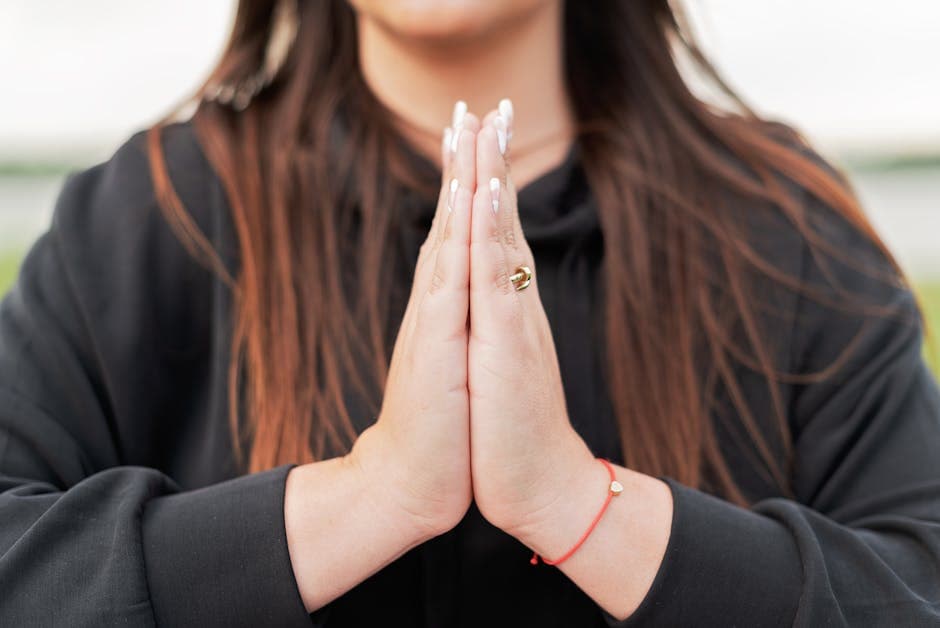
Quick answer
Gratitude practices involve consciously acknowledging positive experiences, relationships, and aspects of life.
Gratitude practices encourage individuals to intentionally notice and appreciate positive experiences and relationships.
Gratitude practices are widely studied in positive psychology and may support emotional wellbeing, resilience, and relationship satisfaction.
Gratitude exercises should complement professional support when addressing significant mental health challenges.
FAQ
Written by
Gyfts Editorial Team
Editorial team at Gyfts researching holistic health and wellness.
Reviewed by
Gyfts Editorial Team
Editorial Health Review
Content reviewed by health and welness practitioners
The Gyfts editorial team works with qualified practitioners to ensure accuracy and balance across all health content on the platform.
View full profile →These practitioners have chosen to be featured on Gyfts.
Research in positive psychology examines the role of gratitude in emotional wellbeing.
25 October 2024

Gratitude practices often involve journaling or reflective exercises.
2 October 2024
Top practitioners
Practitioners are ranked using relevance, experience signals, reviews, and support-area fit.