Before You Arrive
Wear loose, comfortable clothing that allows you to move freely and feel physical sensations clearly. Natural fabrics like cotton often work better than synthetic materials, which can feel disconnecting. Remove heavy jewellery or tight accessories that might restrict circulation or distract your attention.
Eat lightly beforehand—a heavy meal can make you drowsy and less aware of subtle bodily sensations. Avoid caffeine for two hours before your session, as it can heighten anxiety and interfere with the calming effects you're trying to achieve. If you take medication for anxiety or mood, continue as prescribed; grounding complements rather than replaces medical treatment.
Arrive five minutes early to settle yourself. Many practitioners suggest turning your phone to silent and mentally noting that this time is dedicated to your wellbeing. Some people find it helpful to set an intention, such as 'I want to feel more present' or 'I'm here to learn tools for managing stress.'
The Session Experience
Your practitioner will typically begin by asking about your current stress levels and what brought you to grounding work. This conversation lasts about ten minutes and helps them tailor techniques to your specific needs. Don't worry about explaining everything perfectly—they're trained to work with whatever you're experiencing.
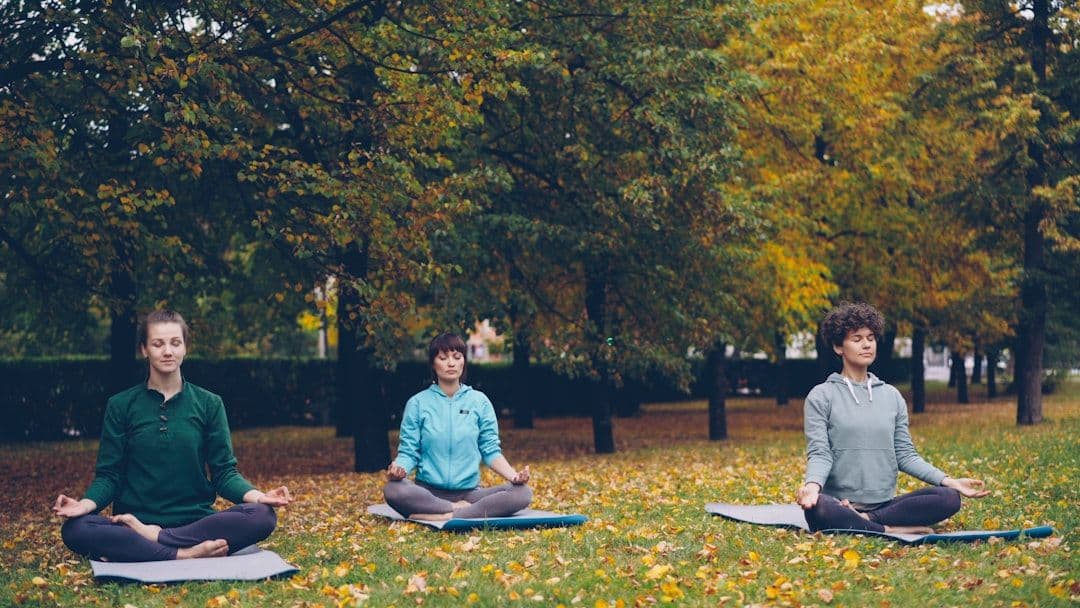
The main practice period lasts 30-40 minutes. You might start seated in a comfortable chair, focusing on the weight of your body against the cushions. Your practitioner will guide you through noticing physical sensations: the temperature of the air on your skin, sounds in the room, the texture of fabric beneath your hands. These aren't tests—there are no right or wrong answers.
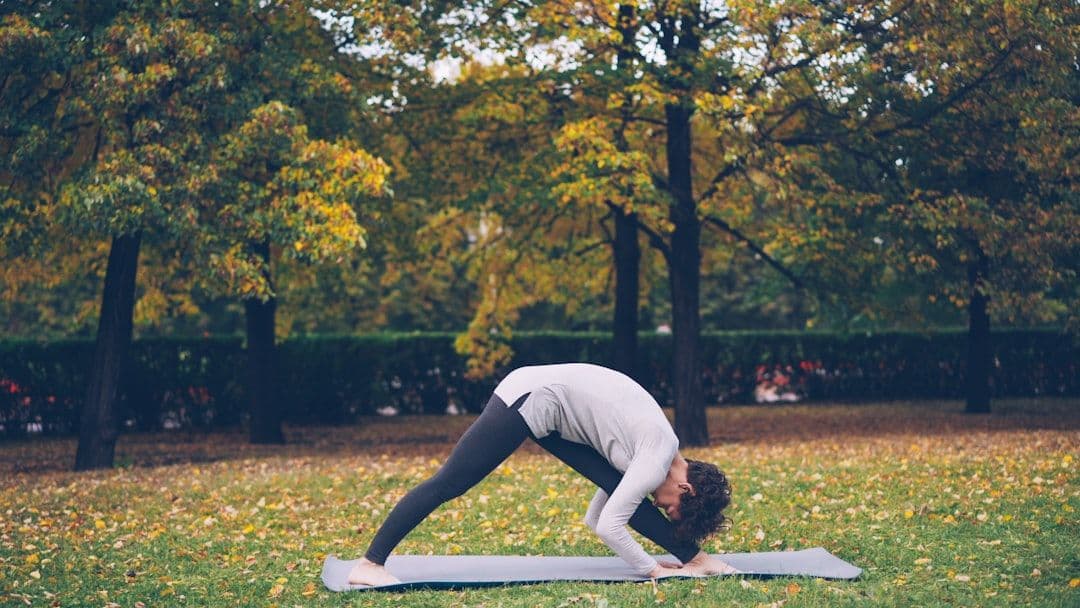
If weather permits, many sessions include time outdoors. You might remove your shoes and stand on grass, feeling the earth beneath your feet whilst breathing deeply. Some practitioners incorporate gentle movement—walking slowly whilst paying attention to each step, or light stretching that connects you to your body's boundaries.
The session ends with a brief integration period where you discuss what you noticed. Your practitioner might teach you abbreviated versions of the techniques to use at home. Most people leave with a simple practice they can do in two minutes when stress arises.
What You Might Experience
During the session, you may notice your breathing naturally slowing down and your shoulders dropping. Some people feel warmth spreading through their body or a sense of their racing thoughts beginning to quiet. Others experience what practitioners call 'settling'—a feeling of sinking into your chair or the ground in a pleasant way.
Not everyone feels immediate calm. You might initially feel more aware of tension you'd been ignoring, or emotions might surface that seemed buried. This is normal and often part of the process. Your nervous system is learning to recognise safety, which sometimes means first noticing where you'd been holding stress.
After the session, most people report feeling more alert but relaxed—different from the heaviness of fatigue or the jittery energy of caffeine. This clarity often lasts several hours. Some experience improved sleep that night, whilst others might feel emotional release and need to cry or rest.
The effects typically develop over time rather than appearing dramatically after one session. You might find yourself naturally pausing to notice your surroundings during stressful moments, or remembering to breathe deeply when you previously would have held your breath.
Aftercare and Integration
Drink plenty of water after your session, as nervous system regulation can be subtly dehydrating. Avoid immediately rushing back into demanding activities—give yourself at least fifteen minutes to transition gradually.
Practise the techniques you learned for five minutes daily, ideally at the same time each day to build a routine. Morning works well for many people, whilst others prefer evening grounding to decompress. The key is consistency rather than duration.
Avoid alcohol for the remainder of the day, as it can counteract the nervous system regulation you've just experienced. Similarly, try to minimise exposure to highly stimulating environments like noisy shopping centres or intense films if possible.
Keep brief notes about what you experienced—both during the session and in the following days. This helps you and your practitioner track which techniques work best for your particular nervous system. Notice if you sleep differently, handle stress better, or feel more present during routine activities.
Building Your Practice
Most practitioners recommend 4-6 initial sessions scheduled weekly or fortnightly to establish a foundation. This allows time to try different techniques and discover which resonate with your particular way of processing stress. Some people feel significantly calmer after three sessions, whilst others need the full six to notice substantial changes.
After this initial period, many people transition to monthly sessions for several months, using the time to refine their home practice and troubleshoot challenges. Eventually, most people need only occasional sessions when facing particularly stressful periods or wanting to learn advanced techniques.
The goal is developing independence—having reliable tools you can use anywhere when anxiety arises. Your practitioner should be teaching you to become your own grounding resource rather than creating ongoing dependence.
Some people benefit from seasonal tune-ups, particularly if their stress levels fluctuate with work demands or family situations. Others find that once they've learned the basics, they can maintain their practice independently with occasional refresher sessions when needed.