What It Is
Panic disorder involves repeated, unexpected surges of intense fear with physical symptoms
Understanding panic disorder and finding your path to calm
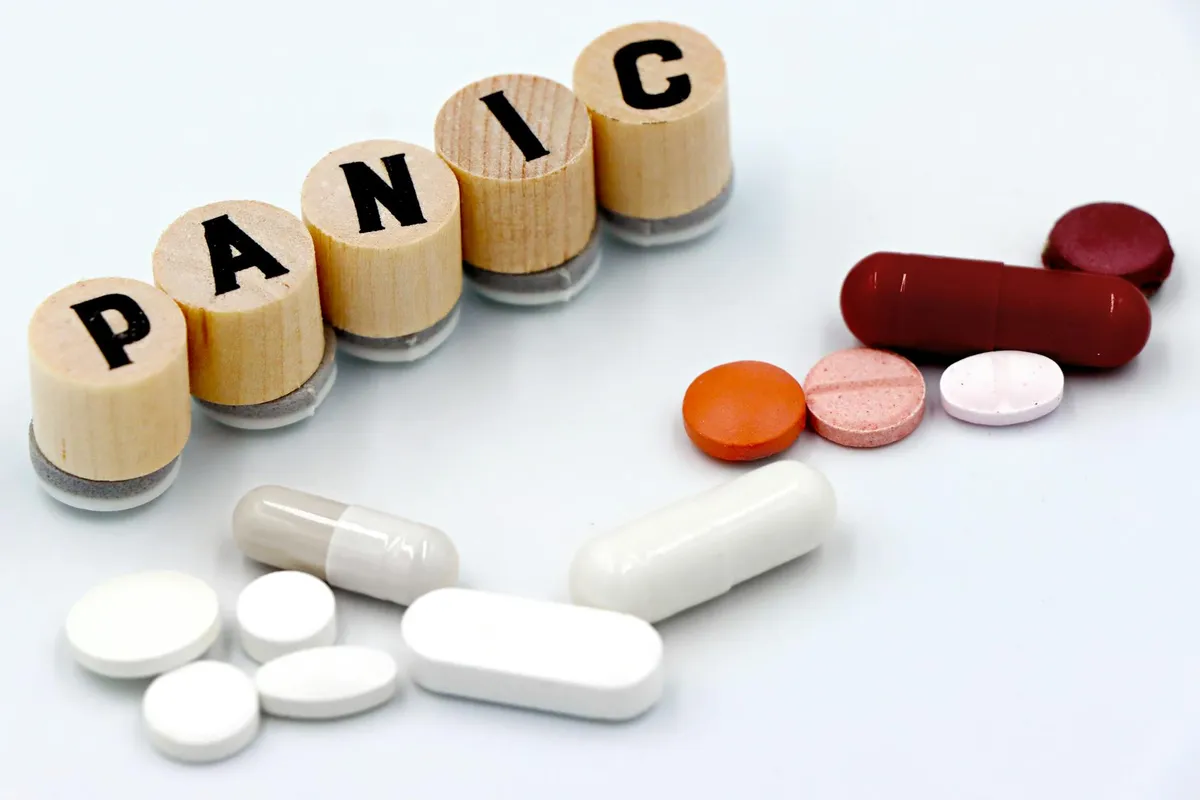
At a glance
What It Is
Panic disorder involves repeated, unexpected surges of intense fear with physical symptoms
How It Presents
Rapid heartbeat, chest tightness, dizziness, breathlessness, and overwhelming dread
What May Help
Breathwork, somatic therapies, grounding, and trauma-informed approaches are widely explored
Evidence Context
Strong research supports several approaches; complementary methods may support conventional care
See the evidence snapshotWhen to Seek Help
See a professional for a first attack or ongoing episodes, especially with chest pain
Explanation
Panic disorder is characterised by recurrent unexpected panic attacks — abrupt surges of intense fear or discomfort peaking within minutes — accompanied by physical symptoms including palpitations, sweating, trembling, shortness of breath, chest pain, nausea, dizziness, and fear of dying or losing control. Beyond the attacks themselves, the disorder involves persistent concern about future attacks and behavioural changes to avoid them. Panic disorder frequently leads to agoraphobia. It is highly treatable with the right approach.
Could this be you
Panic disorder shows up differently for everyone. Browse by how it tends to be felt — these are common experiences, not a checklist or a diagnosis.
Common experiences people describe — not a diagnostic checklist.
Why it happens
Panic disorder usually comes from a mix of factors rather than a single cause. These are common contributors — not certainties.
A family history of anxiety may raise the likelihood of developing panic disorder.
Major life changes or prolonged stress can trigger the onset of recurring panic attacks.
Hyperventilation habits and heightened sensitivity to body sensations may fuel panic cycles.
Poor or inconsistent sleep can lower the threshold at which panic attacks occur.
What happens in the body
Panic disorder can involve several of the body’s systems. These are common patterns researchers describe — how they show up varies from person to person.
The amygdala may misfire a full threat alarm without real danger, triggering a cascade of fight-or-flight signals that produce the sudden, intense symptoms of a panic attack.
Surging adrenaline causes the heart to race and blood vessels to constrict, producing palpitations and chest tightness that can themselves become feared sensations.
Rapid or shallow breathing during a panic attack can lower carbon dioxide levels, worsening dizziness and tingling and potentially prolonging the episode through a feedback loop.
Heightened attention to internal body signals may lead the brain to interpret normal sensations as catastrophic, sustaining a cycle of fear, avoidance, and repeated attacks.
Process
Management
A well-studied approach where a therapist helps identify and reshape thought patterns that fuel panic. Many people find it significantly reduces the frequency and intensity of panic attacks over time.
A doctor may discuss options such as SSRIs, SNRIs, or short-term benzodiazepines as part of a broader treatment plan. Medication decisions are always individualized and made with a prescribing clinician.
A body-focused approach that aims to help the nervous system process stored stress responses. Some people find it supportive for the physical symptoms that accompany panic, such as trembling or chest tightness.
Some practitioners suggest working with the vagus nerve and nervous system states to build a greater sense of safety in the body, which may support reduced reactivity during panic episodes.
Practices such as slow diaphragmatic breathing, progressive muscle relaxation, and sensory grounding may help interrupt the escalation of a panic attack and restore a calmer physiological state.
Self-Care
Breathing slowly from the belly may help calm the nervous system. Some people find practicing for 5-10 minutes daily makes it easier to use during a panic attack.
Caffeine can heighten heart rate and physical arousal. Slowly cutting back may reduce the frequency or intensity of panic episodes for some individuals.
Sleep deprivation can lower the threshold for panic attacks. Going to bed and waking at the same time each day may support more stable nervous system regulation.
Activities like walking, swimming, or cycling may support anxiety resilience over time. Some people find regular movement helps reduce the body's reactivity to stress.
Gently noticing physical sensations without judgment, sometimes called interoceptive awareness, may help reduce the fear response to normal bodily changes over time.
The Evidence
What research says about panic disorder, how it works, and what approaches have the strongest support.
Panic disorder is well-studied and highly responsive to treatment
Panic disorder has one of the strongest evidence bases in anxiety research. Psychological and pharmacological approaches both show robust outcomes, and combining them often produces the best results.
Cognitive behavioural therapy — particularly with interoceptive exposure — consistently shows strong outcomes across large trials. SSRIs and SNRIs are well-supported pharmacological options. Mindfulness, breathing retraining, and relaxation techniques have meaningful supporting evidence, while yoga and vagus nerve approaches show early promise.
The amygdala may trigger a full threat response without real danger, flooding the body with adrenaline and producing racing heart, chest tightness, and breathlessness. Rapid breathing can lower carbon dioxide, worsening dizziness and tingling. Over time, heightened attention to body sensations can sustain a cycle of fear and avoidance.
Seek urgent care if chest pain spreads to the jaw or arm, if there is loss of consciousness, an irregular heartbeat, severe breathing difficulty, or neurological symptoms alongside panic. A first-ever panic attack should always be assessed by a qualified professional to rule out other causes before assuming it is panic disorder.
Avoidance-based coping tends to reinforce the disorder over time. Excessive caffeine can heighten physiological arousal and trigger attacks. Hyperventilation practices may worsen symptoms in those prone to panic. Benzodiazepines carry dependency risk and should only be used with a clear, supervised plan — including a taper strategy.
Breathwork, mindfulness, somatic therapy, and yoga may support nervous system regulation and reduce baseline anxiety. Acupuncture and hypnotherapy are used by some practitioners, though evidence is more limited. These approaches work best as part of a broader plan rather than as standalone options.
A psychologist or therapist trained in CBT for panic is a strong starting point. GPs or psychiatrists can assess whether medication is appropriate. Complementary practitioners should be informed of any existing treatment plan. No single modality is a substitute for professional assessment, and combining approaches is often more effective than any one alone.
Safety first
Panic disorder is manageable, and support helps. Some situations call for prompt professional help.
Explore approaches
Practices people explore for panic disorder — alongside professional care.
FAQ
A panic attack triggers the fight-or-flight response, flooding the body with adrenaline. This causes racing heart, shallow breathing, and dizziness. The body is reacting as if to real danger, even when none is present.
Always get a medical evaluation after your first panic attack to rule out heart or respiratory conditions. Ongoing panic disorder warrants professional mental health support, and severe chest pain needs urgent assessment.
Some people find that practices like somatic experiencing, polyvagal-informed therapy, and grounding techniques may support nervous system regulation. These are often used alongside conventional care rather than in place of it.
Avoidance can reinforce the brain's belief that those situations are genuinely dangerous, which may intensify anxiety over time. Gradual, supported exposure is often a key part of recovery according to mental health practitioners.
Yes, anticipatory anxiety about future attacks is one of the most common experiences with panic disorder. This cycle of fear around fear is something many practitioners specifically address in treatment and holistic support work.
Keep exploring
Browse practitioners, explore honest overviews, and take what you learn to a conversation — at your own pace.