What Hand Therapy Actually Involves
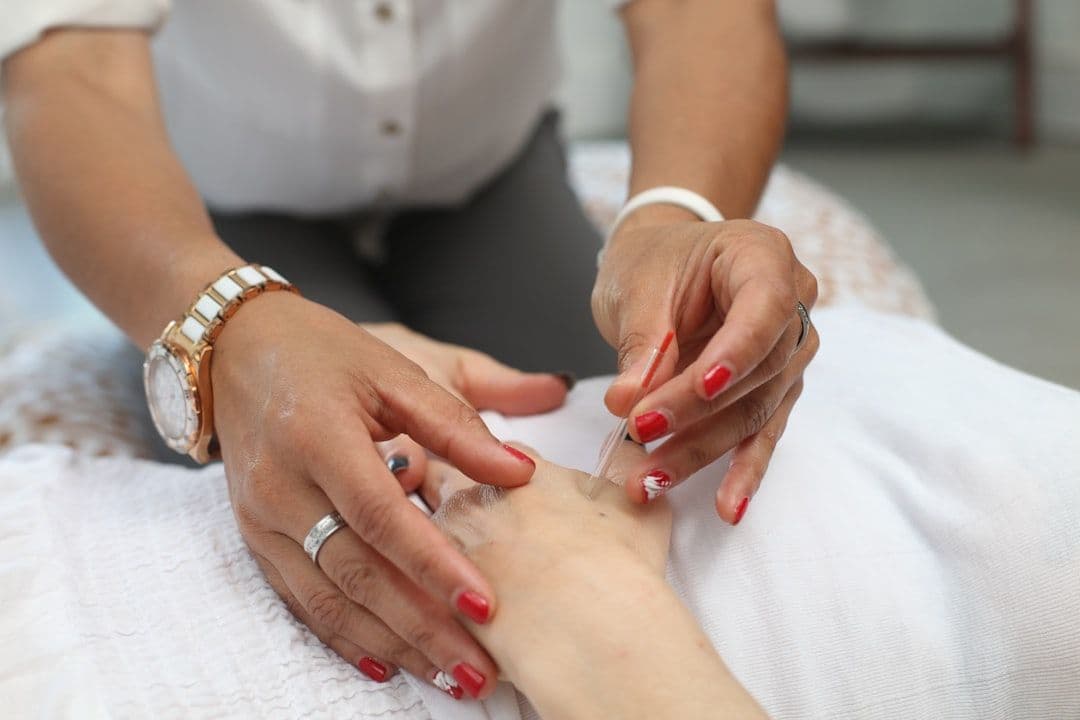
A hand therapist examines Sarah's fingers, measuring how far each joint bends with a small metal instrument called a goniometer. Three weeks after her tendon repair surgery, she can barely make a fist. The therapist guides her through gentle exercises, applies heat to stiff joints, then moulds a custom splint from warm plastic that will hold her healing tendon in the optimal position.
Hand therapy represents one of rehabilitation medicine's most precise disciplines. Unlike general physiotherapy, it demands intimate knowledge of the hand's 27 bones, 34 muscles, and intricate web of tendons and ligaments. Practitioners combine therapeutic exercises with manual techniques, splinting, scar management, and functional retraining to restore not just movement, but the complex coordination required for daily tasks.
The approach extends far beyond exercises. Hand therapists assess grip patterns, analyse how someone opens a jar or types on a keyboard, then design treatment programmes targeting these specific functions. They might simulate workplace tasks during sessions, gradually increasing the complexity as healing progresses.
Origins in Surgical Innovation
Hand therapy emerged in the 1960s when advances in microsurgery enabled increasingly complex hand reconstructions. Surgeons found that even successful operations often resulted in stiff, poorly functioning hands without proper rehabilitation. The field developed as occupational therapists and physiotherapists began specialising in post-surgical hand care.
Pioneering centres in the United States first established formal hand therapy training programmes, recognising that the hand's complexity demanded specialist knowledge. The discipline expanded rapidly as research revealed the critical importance of early, appropriate movement in healing tendons and preventing adhesions.
Today's hand therapy reflects decades of collaboration between surgeons, therapists, and researchers. Professional bodies like the British Association of Hand Therapists now maintain rigorous standards, requiring extensive additional training beyond basic physiotherapy or occupational therapy qualifications.
How Recovery Actually Happens
Hand therapy operates on the principle that controlled movement and progressive loading optimise healing whilst preventing complications like stiffness and weakness. Following injury or surgery, tissues go through predictable phases of inflammation, repair, and remodelling. Treatment protocols align with these biological processes.
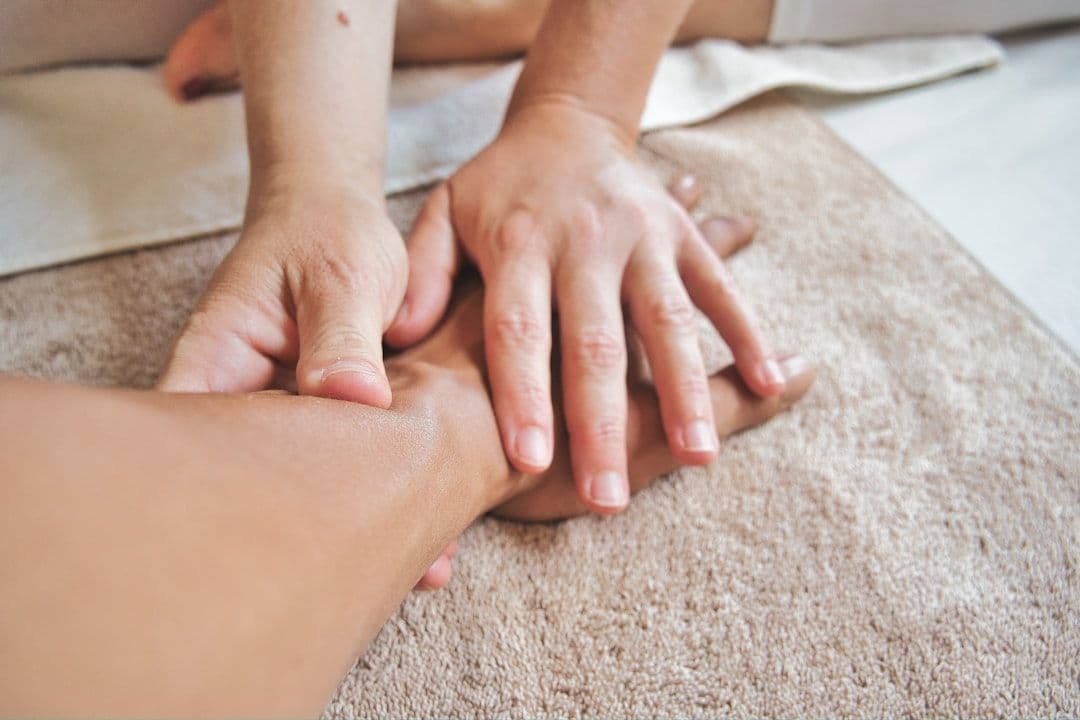
During early stages, therapists focus on controlling swelling and maintaining whatever safe movement is possible. They might use techniques like retrograde massage to reduce oedema, or gentle passive movements to prevent joints seizing up. Custom splints protect healing structures whilst allowing controlled motion.
As healing progresses, treatment emphasises restoring normal movement patterns and building strength. This involves specific exercises targeting individual muscles and joints, manual therapy to address restrictions, and increasingly complex functional activities. The goal shifts from protecting healing tissues to challenging them appropriately for optimal recovery.
From a biomedical perspective, this approach leverages the principle that tissues adapt to the demands placed upon them. Controlled stress stimulates collagen remodelling, improves circulation, and maintains neural pathways that control fine motor function.
Who Benefits Most From Hand Therapy
Research demonstrates strongest outcomes for individuals recovering from specific surgical procedures, particularly tendon repairs, fracture fixations, and nerve decompressions. Studies consistently show improved grip strength, range of motion, and functional scores compared to unsupervised recovery.
People with degenerative conditions like osteoarthritis or rheumatoid arthritis often experience meaningful improvements in pain management and function, though therapy cannot reverse underlying joint damage. Workers with repetitive strain injuries may benefit from ergonomic retraining and strengthening programmes, particularly when treatment addresses workplace modifications alongside rehabilitation.
The approach proves especially valuable for individuals whose livelihoods depend on precise hand function: musicians, craftspeople, surgeons, or assembly workers. Treatment can be tailored to specific occupational demands, with therapists sometimes visiting workplaces to analyse tasks and recommend modifications.
What to Expect in Sessions
Initial appointments typically last 45-60 minutes and involve comprehensive assessment. Your therapist will measure joint angles, test muscle strength, assess sensation, and observe how you perform functional tasks like gripping, pinching, or manipulating objects. They might photograph your hand position or use specialised equipment to measure grip force.
Treatment sessions usually combine several elements. You might begin with heat therapy or gentle mobilisation to prepare tissues for exercise. The therapist then guides you through specific movements, manually assisting where necessary and monitoring your technique carefully. Sessions often include functional activities: practising writing, using tools, or simulating work tasks.
Many people receive custom splints, which the therapist fabricates during appointments using thermoplastic materials. They'll teach you how to wear, clean, and adjust these devices, emphasising their importance in protecting healing structures whilst allowing appropriate movement.
Treatment frequency varies considerably based on your condition and healing stage. Post-surgical patients might attend twice weekly initially, whilst those with chronic conditions may benefit from monthly sessions combined with home exercise programmes.
Evidence Base and Realistic Expectations
Systematic reviews consistently support hand therapy's effectiveness for post-surgical recovery, with studies showing significantly better outcomes compared to no treatment or simple home exercises. A 2019 Cochrane review found moderate-quality evidence that hand therapy improves function following flexor tendon repairs, though authors noted considerable variation in treatment approaches.
Research demonstrates clear benefits for specific conditions. Studies of carpal tunnel surgery show hand therapy reduces recovery time and improves final outcomes. Similar evidence exists for Dupuytren's contracture surgery and complex fracture management. However, optimal treatment protocols remain debated, with practitioners varying in their approach to exercise timing, splinting regimens, and session frequency.
For chronic conditions, evidence is more mixed. Whilst many studies show short-term improvements in pain and function, long-term benefits are less certain. The effectiveness often depends on consistent adherence to home programmes and addressing underlying factors contributing to the condition.
Honest practitioners acknowledge that complete recovery isn't always possible, particularly following severe trauma or in advanced arthritis. Success is often measured by meaningful improvements in daily function rather than return to pre-injury status.
Finding Qualified Practitioners and Practical Considerations
Hand therapy requires specific expertise beyond basic physiotherapy or occupational therapy training. Look for practitioners registered with the Health and Care Professions Council (HCPC) who hold additional hand therapy qualifications. The British Association of Hand Therapists maintains a directory of members who have completed recognised training programmes.
Most hand therapists work within NHS services, private hospitals, or specialist rehabilitation centres. Waiting times vary significantly by location, with complex cases sometimes prioritised. Private treatment is available, typically costing £60-100 per session, with initial assessments potentially higher.
Insurance coverage varies. Many private medical insurers cover hand therapy when referred by a specialist, particularly following surgery. Check your policy details and whether pre-authorisation is required. Some employers offer occupational health services that include hand therapy for work-related injuries.
Expect treatment to require several months, particularly for post-surgical cases. Your therapist should provide clear goals and regularly review progress, adjusting treatment as your condition evolves. Success often depends on consistent engagement with prescribed exercises and splint wearing, requiring significant commitment to achieve optimal outcomes.