What it is
Rehab for the hand, wrist, and forearm to restore grip, mobility, and dexterity.
Hand Therapy is a specialized rehabilitation approach focused on restoring function, strength, and mobility to the hands following injury...

At a glance
What it is
Rehab for the hand, wrist, and forearm to restore grip, mobility, and dexterity.
Why explore it
Helps recovery from surgery, fractures, arthritis, or nerve injuries by easing pain and stiffness.
How it’s experienced
A certified therapist guides exercises, splinting, and hands-on techniques suited to your condition.
Evidence context
Research shows modest gains in grip and pain relief, though results vary by condition and commitment.
See the evidence snapshotSafety
Low risk with a qualified therapist; check with your doctor first if you have wounds or vascular issues.
See staying safeHistory & Origin
Hand Therapy provides rehabilitation and support for individuals with hand-related injuries or conditions.
Hand therapy emerged as a distinct discipline in the mid-20th century, evolving from general physical and occupational therapy practices. As industrial societies saw increased hand injuries from manufacturing and workplace accidents, healthcare practitioners recognized the need for specialized, targeted rehabilitation approaches. The field formalized during the 1970s and 1980s, with the establishment of professional organizations like the American Society of Hand Therapists (ASHT) in 1978, which set certification standards and advanced clinical practice through research and education.
Key figures in hand therapy's development included occupational therapists and physical therapists who specialized in hand rehabilitation, drawing from principles of anatomy, biomechanics, and motor learning. These practitioners documented the effectiveness of structured exercises and progressive functional training in restoring grip strength, dexterity, and range of motion. The discipline grew internationally, with practitioners in Europe, Australia, and Asia adapting protocols to their populations and healthcare systems.
Hand therapy gained broader recognition as surgical techniques improved and hand surgeons increasingly partnered with therapists for post-operative care. The integration of evidence-based practice, combined with advances in understanding motor control and neuroplasticity, transformed hand therapy into a sophisticated rehabilitation specialty. Today, hand therapists work in clinics, hospitals, surgical centers, and private practices, treating everything from simple sprains to complex reconstructive cases, and the profession continues to evolve with new technologies and research insights.
Mechanism
Hand Therapy is generally framed as a guided process for attention, reflection, learning, and emotional integration. Depending on the method, a practitioner may use conversation, imagery, structured exercises, body awareness, or therapeutic techniques to help the person explore patterns and choices. It should not be presented as a standalone solution or a substitute for urgent care, but it may support self-understanding when practiced within an appropriate scope. Hand Therapy combines therapeutic exercises, manual techniques, and functional training to restore strength, mobility, and coordination following hand injury, surgery, or chronic conditions.
Your first visit
A typical session outline to help you feel prepared
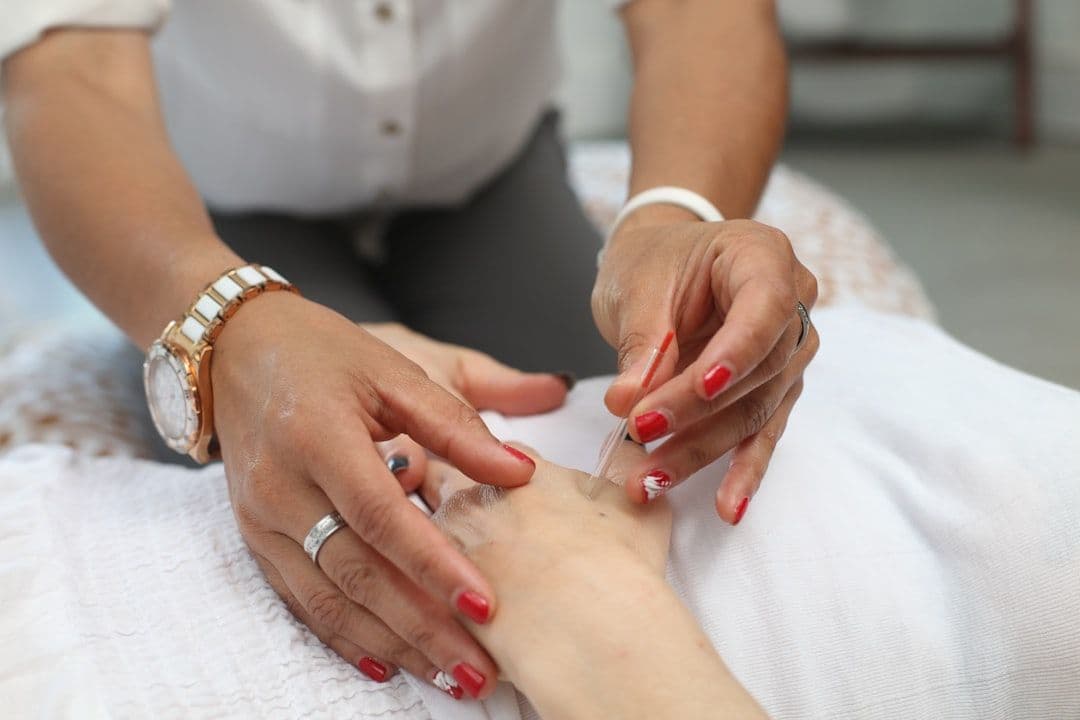
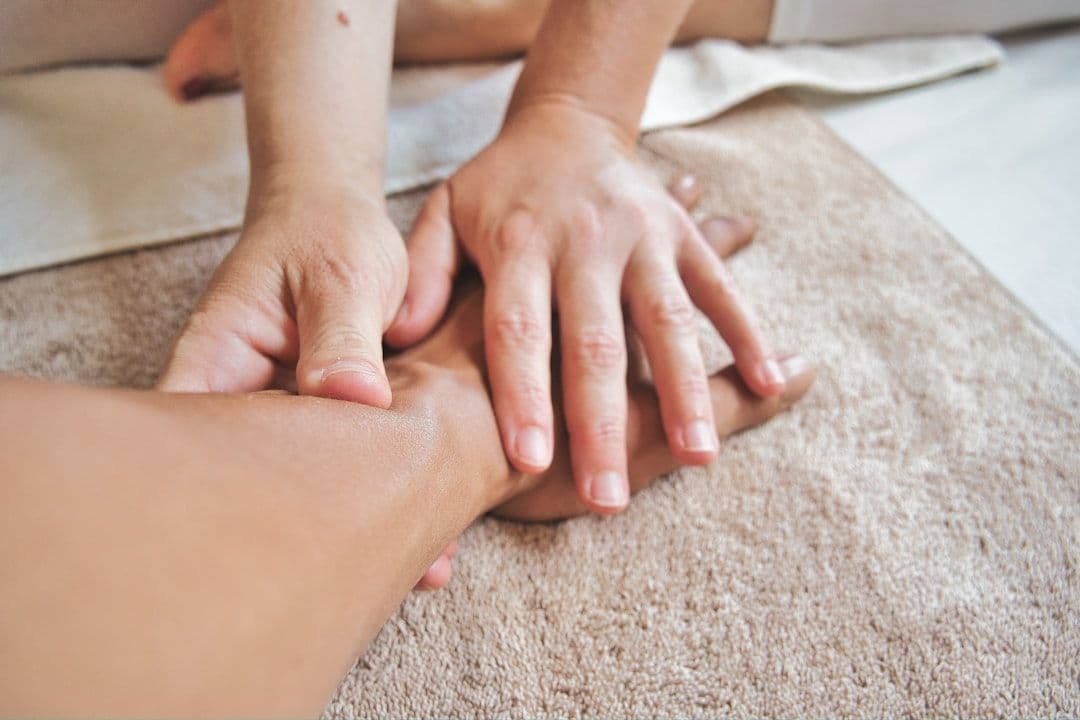
A hand therapy session blends gentle hands-on care with guided exercises to help restore strength, movement, and everyday function in your hand, wrist, or arm.
Your therapist greets you and reviews your intake forms, asking about your injury, surgery, or condition, your pain levels, and what daily tasks feel most difficult right now.
Your therapist gently moves your fingers, wrist, and forearm to measure how far each joint can bend and straighten, noting any stiffness, swelling, or areas of discomfort.
You may be asked to grip a small device, pinch objects, or perform simple tasks like turning a key or buttoning a button so your therapist can assess functional strength and coordination.
Your therapist uses skilled touch to work on tight tissue, stiff joints, or scar tissue — this may feel like gentle pressure, soft stretching, or careful joint mobilization around the hand and wrist.
You'll move through a set of exercises chosen specifically for your condition, such as tendon glides, place-and-hold movements, or grip strengthening, guided closely by your therapist.
If needed, your therapist may apply a custom splint, use ultrasound, electrical stimulation, or paraffin wax to support healing, reduce swelling, or ease discomfort in the affected area.
Your therapist walks you through a simple home exercise program, showing you exactly how to perform each movement safely and how often to do them between sessions.
You discuss how the session felt, set short-term goals together, and schedule your next visit — your therapist will adjust your plan over time as your hand function improves.
The Evidence
What research says about hand therapy for injury recovery, post-surgical rehabilitation, and chronic hand conditions.
Well-supported for rehabilitation and functional recovery
Hand therapy has a solid evidence base, particularly for post-surgical and post-injury rehabilitation. Structured exercise, manual techniques, and functional training generally tend to outperform minimal intervention in clinical trials and systematic reviews.
Clinical trials and systematic reviews support hand therapy for post-fracture recovery, nerve injury rehabilitation, carpal tunnel syndrome, and tendinitis. Outcomes for chronic conditions such as arthritis are positive but more variable. Active participation and adherence to home exercise programs are consistently identified as key factors in recovery.
Care typically progresses from managing pain and swelling toward restoring fine motor control and functional capacity. Techniques include targeted exercise, splinting, scar management, and activity retraining. Programs are individualised and may be coordinated with surgeons or physicians, particularly following surgery or complex injury.
Beyond restoring movement, hand therapy considers how hand function connects to work, independence, and quality of life. Occupational retraining, ergonomic assessment, and return-to-activity planning reflect a whole-person perspective. This makes it relevant across physical, functional, and lifestyle dimensions of recovery.
For conditions like complex regional pain syndrome or advanced arthritis, evidence supports a role in maintaining function and reducing pain, but outcomes are less predictable. Adherence, injury severity, and underlying health conditions all influence results. Hand therapy is not a substitute for professional medical assessment when serious injury or disease is present.
Seek medical evaluation before therapy if you have severe swelling, numbness, colour changes, or inability to move fingers after injury. People with diabetes, vascular disease, or immunocompromised conditions should obtain physician clearance first. Therapy should not begin during active infection, with unhealed surgical wounds, or where severe uncontrolled swelling is present.
Credentialled hand therapists hold recognised certifications such as the CHT (Certified Hand Therapist) in countries where this standard exists. When seeking care, confirm your practitioner has relevant specialist training and, where applicable, professional registration. For post-surgical or complex cases, therapy is most effective when coordinated with your treating medical team.
Safety first
General guidance to help you decide whether this approach is appropriate for you. This is informational only and not a substitute for medical, psychological, or professional advice.
If you are pregnant, managing a health condition, recovering from injury or surgery, or taking medication, consult a qualified healthcare professional first.
Mild, short-lived effects such as tenderness, tiredness, or temporary soreness can occur. Rest, hydrate, and tell your practitioner how you respond.
Some situations call for extra care or a different approach. Share any conditions, injuries, or sensitivities with your practitioner before your first session.
Look for clear boundaries, transparent pricing, and practitioners who avoid fear-based claims or pressure to book frequent sessions.
For you?
A simple, human way to weigh it up. This is general guidance, not personal medical advice — a qualified practitioner can advise on your situation.
Gyfts is a discovery platform, not a medical provider. Nothing here diagnoses, treats or replaces professional care. In an emergency, contact your local emergency number.
Explore approaches
Other practices people often explore alongside hand therapy.
In their words
FAQ
A typical session includes assessment of your current function (strength, range of motion, pain), guided therapeutic exercises tailored to your condition, manual techniques performed by the therapist, and education about home care. Sessions usually last 30-60 minutes. The therapist will explain each exercise, ensure proper form, and provide a home program to perform between visits. Progress is tracked through objective measurements and functional improvements.
This varies significantly based on your condition, severity, and how your hand responds to treatment. A simple sprain might require 4-8 sessions over 2-4 weeks, while post-surgical rehabilitation typically spans 8-16 weeks with 2-3 sessions per week initially, tapering as you improve. Complex injuries or nerve damage may require 3-6 months of therapy. Your therapist will estimate a timeline after the initial evaluation and adjust based on your progress.
Some therapeutic discomfort is normal as tissue is gently stretched and strengthened, but sharp, escalating pain is not. Your therapist will work within your pain tolerance and communicate throughout treatment. If you have pain between sessions, inform your therapist—they may adjust intensity or technique. Mild soreness after therapy typically resolves within hours.
Return-to-activity timelines depend on your specific condition and healing. Your surgeon or physician provides initial restrictions; your therapist helps guide safe progression. A simple strain might allow most normal activities within 2-4 weeks, while post-surgical cases may require 6-12 weeks or longer for full unrestricted activity. Your therapist works with you to gradually increase demands as your hand strengthens and function improves.
You will receive a detailed home exercise program specific to your condition. Consistency is crucial—most protocols require 1-2 sessions daily for optimal results. Your therapist will provide written instructions, diagrams, or videos. Additionally, you may need to manage swelling through elevation or ice, follow activity precautions provided by your surgeon, and monitor for any concerning changes. Ask your therapist for clarification if any exercise is unclear.
Recovery timelines vary widely. Minor injuries may resolve in 4-6 weeks, while moderate injuries typically require 8-12 weeks. Post-surgical recovery often spans 3-6 months depending on the procedure. Nerve injuries and complex cases may require 6-12 months or longer for maximal improvement. Factors affecting timeline include age, overall health, adherence to therapy, and the nature of the injury. Your therapist will provide a more specific estimate based on your situation.
In many cases, yes. Early intervention with hand therapy can effectively resolve sprains, strains, tendinitis, and some cases of carpal tunnel syndrome or nerve compression. However, some conditions—such as severe fractures, complete tendon ruptures, or significant nerve injuries—require surgical repair, and therapy supports recovery afterward. Your physician determines whether surgery is necessary; therapy can sometimes be an effective alternative for certain conditions.
Ideal hand therapists are occupational therapists (OT) or physical therapists (PT) with additional specialized certification. Look for credentials such as Certified Hand Therapist (CHT), which requires specific education and experience in hand therapy and passing a rigorous examination. Check that your therapist is licensed in your state and has experience treating your specific condition. Don't hesitate to ask about their qualifications and experience.
References
Educational sources that inform this overview. Inclusion is for context and does not imply endorsement.
Full citations are maintained by the Gyfts editorial team and reviewed periodically.
Keep exploring
Browse practitioners, explore honest overviews, and take what you learn to a conversation — at your own pace.