Before Your First Appointment
Book your initial consultation when you're feeling relatively well, as herbalists need to assess your baseline constitution rather than acute symptoms alone. Gather any recent blood test results, medication lists, and details about supplements you're currently taking—herb-drug interactions are a primary safety consideration.
Wear comfortable clothing as your practitioner may check your pulse, examine your tongue, or assess your skin condition depending on their training background. Traditional Chinese Medicine practitioners, for instance, use pulse diagnosis as a key assessment tool.
Avoid strong-tasting foods, coffee, or alcohol for two hours before your appointment, as these can affect tongue appearance and pulse quality. Don't brush your tongue on the morning of your visit—its natural coating provides diagnostic information. Bring a notebook to record care instructions and preparation details.
The Consultation Process
Your first session typically lasts 60-90 minutes and begins with detailed questioning about your health history, current symptoms, energy levels, sleep patterns, and digestive function. Professional herbalists are trained to identify patterns rather than just treat isolated symptoms—they're looking at how your whole system functions.
Expect questions about seemingly unrelated topics: your response to weather changes, food preferences, emotional patterns, and even dreams. In traditional herbal medicine, these details help determine your constitutional type and guide herb selection. The practitioner may examine your tongue, feel your pulse at the wrist, or check your skin tone and texture.
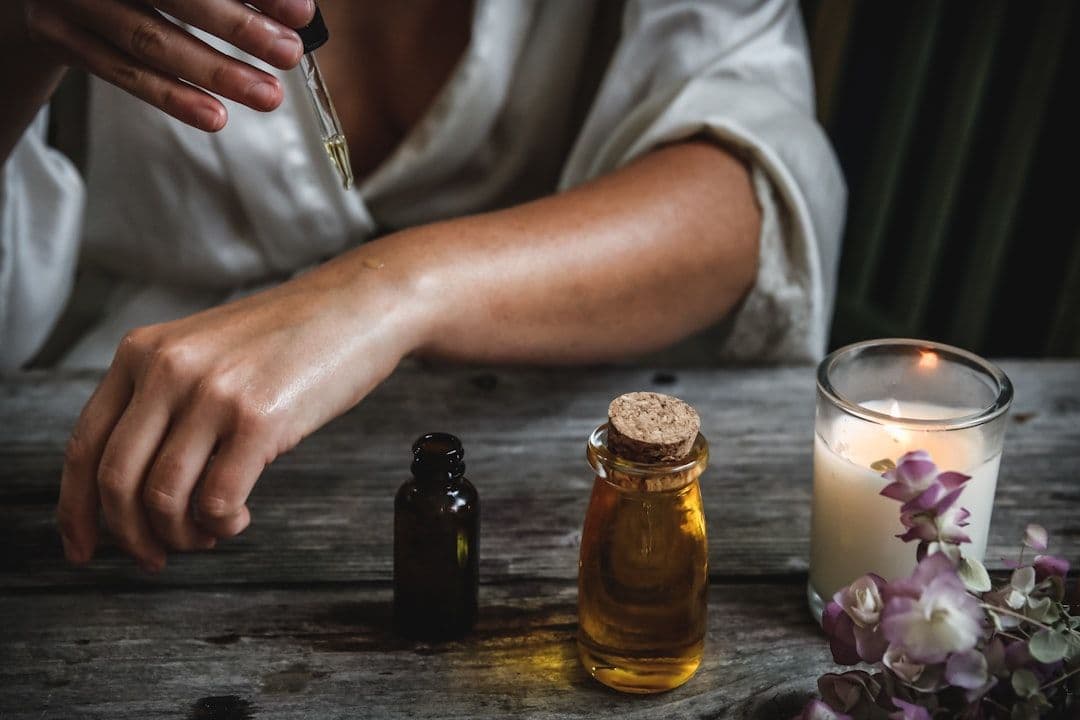
Based on this assessment, they'll explain their understanding of your health pattern and recommend specific herbs or herbal combinations. You'll discuss preparation methods—whether you'll receive capsules, liquid tinctures, loose herbs for teas, or external preparations like oils or compresses. They'll explain dosing schedules, timing recommendations, and what changes to monitor.
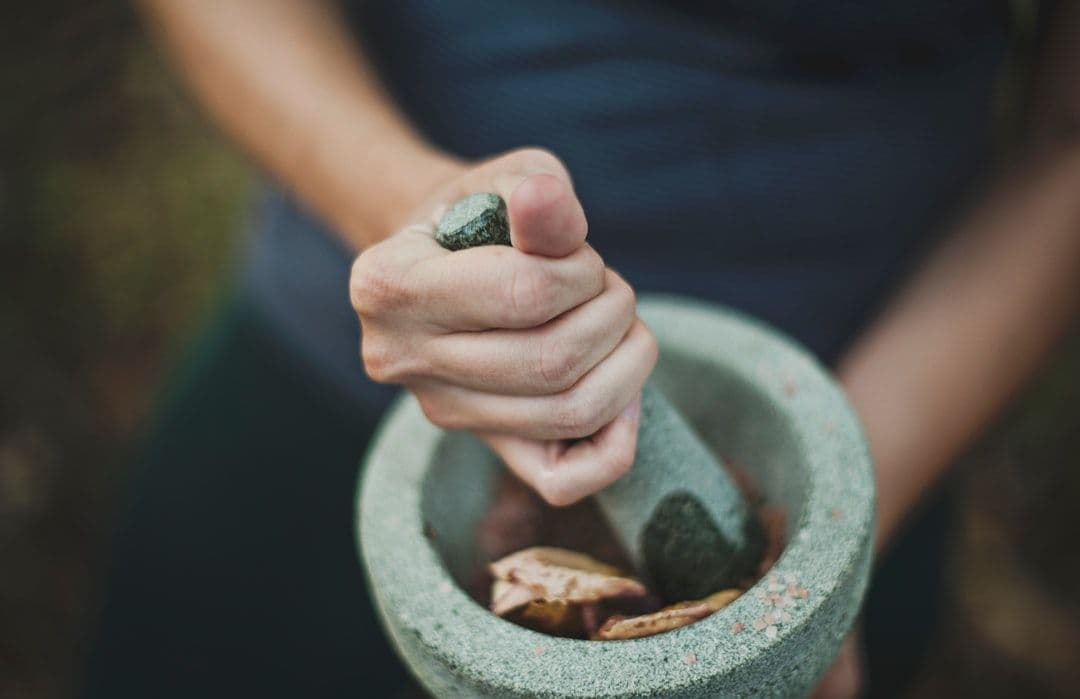
Some practitioners prepare custom blends on-site using dried herbs weighed to precise specifications. Others may prescribe standardised products from reputable suppliers. Either way, you should receive clear written instructions for use.
What to Expect During Treatment
Herbal medicines work differently from pharmaceuticals—changes often develop gradually over days or weeks rather than hours. For acute conditions like digestive upset or sleep disturbances, you might notice improvements within 2-3 days. Chronic issues typically require 4-6 weeks before significant changes become apparent.
Taste can be surprising if you're taking liquid preparations. Many therapeutic herbs are bitter, astringent, or intensely earthy—this isn't a design flaw but often indicates their active compounds. Some practitioners recommend taking tinctures in small amounts of water or juice to make them more palatable.
Initial responses vary considerably. Some people feel more energetic within the first week, whilst others experience mild detox symptoms like temporary skin breakouts or changes in bowel movements. These reactions typically settle as your system adjusts to the herbal support.
Pay attention to subtle shifts: improved sleep quality, steadier energy levels, better stress resilience, or reduced frequency of minor symptoms. Keep notes about changes you observe—this information guides your practitioner in refining your treatment plan.
Aftercare and Monitoring
Take herbal preparations consistently as prescribed—irregular dosing reduces effectiveness significantly. Most herbs work best when taken at the same times daily, often before meals to enhance absorption. Store preparations properly: tinctures in dark bottles away from heat, dried herbs in airtight containers, and fresh preparations in the refrigerator.
Avoid alcohol if taking liquid extracts, as it can interfere with some herbal actions. Be cautious with new medications or supplements—always inform your herbalist and GP about any prescription changes, as herb-drug interactions can affect both the herbal medicine and conventional drugs.
Schedule follow-up appointments as recommended, typically every 2-4 weeks initially. Your herbalist will adjust formulations based on your response, seasonal changes, and evolving health needs. Don't expect to take the same preparation indefinitely—effective herbal treatment often involves changing formulas as your system rebalances.
Contact your practitioner if you experience unexpected reactions, significant symptom changes, or if you're unsure about continuing treatment alongside new medical interventions.
Treatment Timeline and Expectations
Most herbal treatment plans involve an initial intensive phase followed by maintenance support. Acute conditions might require daily herbs for 1-2 weeks, whilst chronic issues often need 3-6 months of consistent treatment to achieve lasting changes.
Expect 2-3 appointments during your first month, with sessions spaced further apart as your system stabilises. Each follow-up typically lasts 30-45 minutes and focuses on tracking progress, adjusting dosages, and modifying the herbal formula as needed.
Some practitioners integrate lifestyle recommendations—dietary changes, stress management techniques, or specific exercises—alongside herbal prescriptions. This holistic approach often produces more comprehensive results than herbs alone.
Successful herbal treatment requires patience and consistency. Unlike pharmaceutical interventions that often suppress symptoms quickly, herbal medicines work by supporting your body's natural healing processes. The goal is sustainable improvement in overall health and resilience, not just symptom management.