What it is
Plant-based teas, tinctures, and topicals drawn from traditional healing systems worldwide.
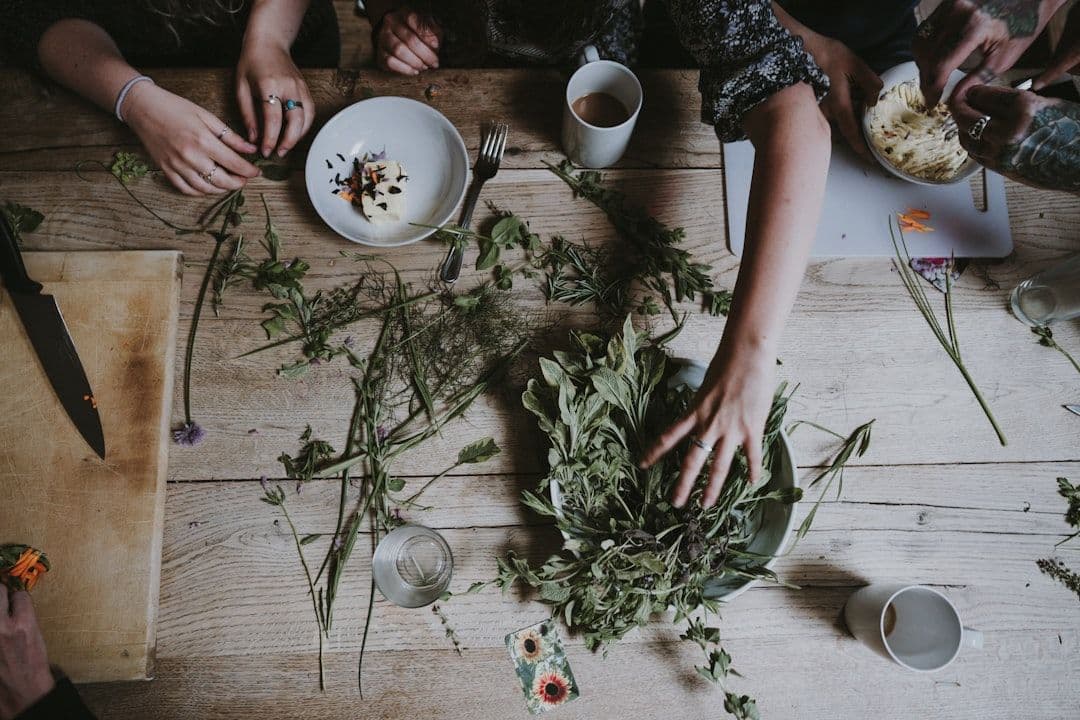
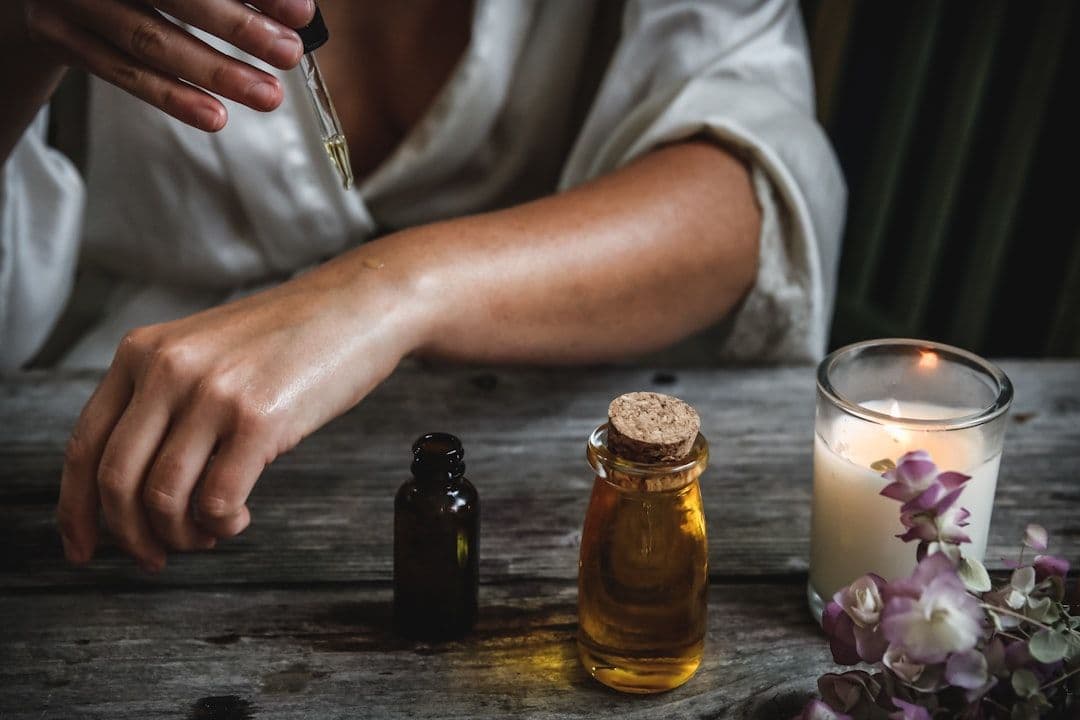
Herbal Treatments involve using plant-based remedies in therapeutic applications such as compresses, poultices, and topical preparations ...
At a glance
What it is
Plant-based teas, tinctures, and topicals drawn from traditional healing systems worldwide.
Why explore it
Herbs like chamomile and ashwagandha have supported sleep, stress, and digestion for thousands of years.
How it’s experienced
Work with an herbalist or explore teas on your own — benefits often build gradually over weeks.
Evidence context
Some herbs have solid research behind them; others rest on tradition, and studies are still evolving.
See the evidence snapshotSafety
Generally low-risk, but always check with your provider since some herbs can interact with medications.
See staying safeHistory & Origin
Herbal Treatments involve therapeutic applications of herbal remedies to address specific health concerns and promote well-being.
Herbal medicine represents one of humanity's oldest healing traditions, with evidence of medicinal plant use dating back over 60,000 years. Archaeological findings and historical texts from ancient Egypt, China, India, and Mesopotamia document sophisticated systems of herbal classification and application. Traditional Chinese Medicine, Ayurveda, and Indigenous healing systems developed comprehensive pharmacopeias identifying specific herbs for particular conditions, passing knowledge through generations via oral tradition and written texts like the Ebers Papyrus and the Yellow Emperor's Classic of Internal Medicine.
During the Middle Ages and Renaissance, European monks cultivated medicinal gardens and documented herbal preparations in texts that became foundational to Western herbalism. The development of chemistry and pharmacology in the 18th and 19th centuries led to the isolation of active compounds from herbs—morphine from opium poppies and digitalis from foxglove are notable examples—which both validated traditional uses and created pharmaceutical medicines. This scientific approach established modern herbal medicine as a bridge between traditional knowledge and contemporary understanding.
In the 20th century, as synthetic pharmaceuticals dominated medical practice in Western countries, herbal medicine persisted in traditional cultures and experienced a revival among practitioners seeking more natural approaches. The World Health Organization began recognizing traditional medicine in the 1970s, leading to increased research funding and integration into healthcare systems worldwide. Today, herbal treatments are practiced globally, with practitioners trained in traditional systems or modern clinical herbalism, and an estimated 80% of the world's population relies at least partially on plant-based medicines for healthcare.
Mechanism
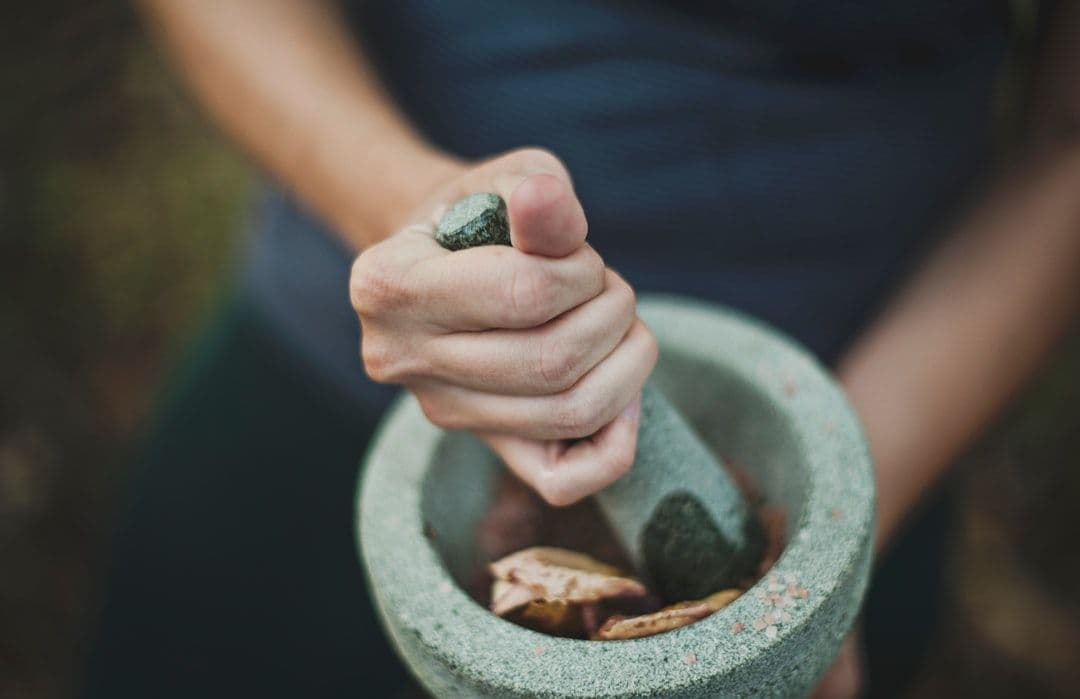
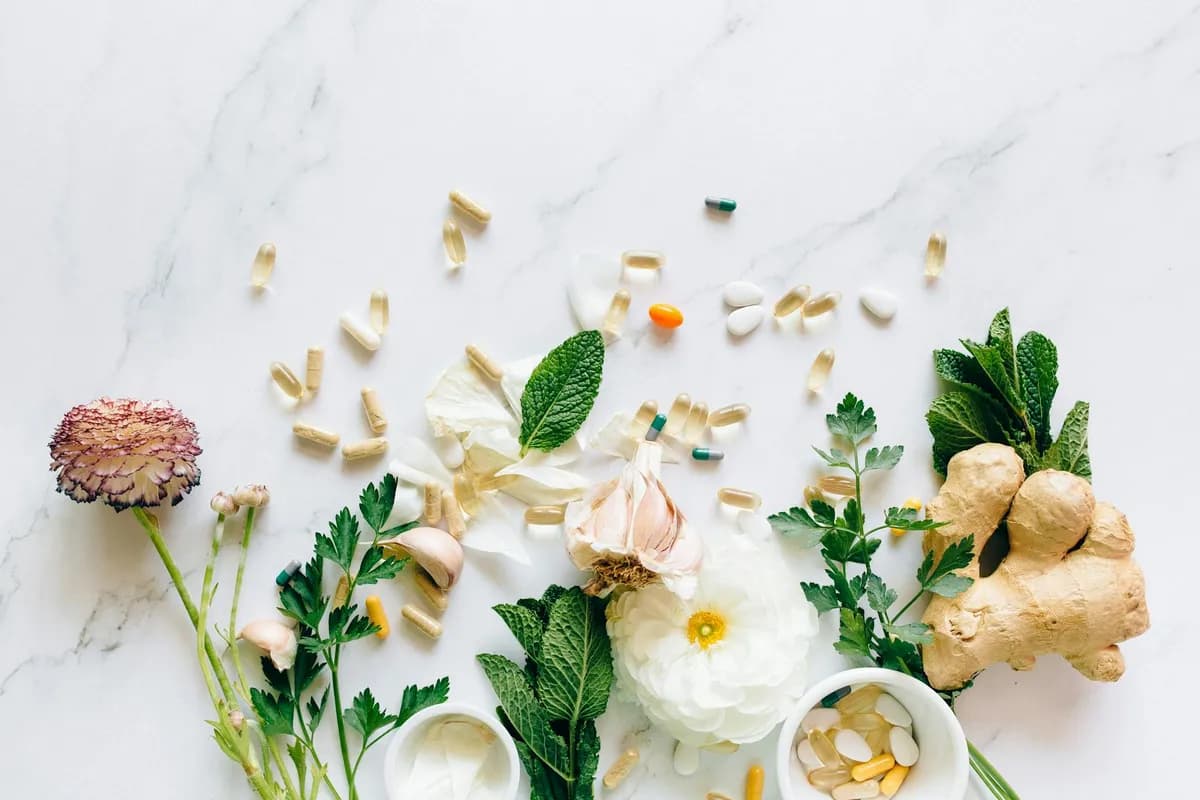
Herbal Treatments is usually understood through daily choices, patterns, and gradual behavior change rather than a single session effect. Practitioners may focus on food quality, timing, preparation, symptoms, preferences, culture, and sustainability. Some approaches are tradition-based, while others draw on nutrition science or clinical guidelines. Recommendations should be individualized, especially when medical conditions, pregnancy, medications, or restrictive eating patterns are involved. Herbal treatments use the bioactive compounds present in plants—including alkaloids, flavonoids, essential oils, and phenolic acids—which are extracted and delivered through various preparations such as teas, tinctures, capsules, topical oils, and poultices.
Your first visit
A typical session outline to help you feel prepared
A herbal session guides you through a personalized plant-based wellness plan, from an in-depth health conversation to a custom remedy crafted just for you.
Your herbalist greets you and invites you to share what brings you in, including any health history, medications, allergies, and lifestyle habits that might shape your remedy.
You'll have an open conversation about your specific symptoms, how long you've had them, and what you're hoping to feel or experience differently. There are no wrong answers here.
Many herbalists use traditional assessment techniques like observing your tongue color or feeling your pulse to get a fuller picture of your body's current state.
Based on everything shared, your herbalist selects specific herbs and explains why each one was chosen, walking you through how they may support your wellness goals.
Your herbalist prepares or shows you your personalized remedy, which might be a loose-leaf tea blend, a tincture, a salve, or a compress, depending on your needs.
You'll receive clear, detailed guidance on how to use your remedy at home, including dosing, timing, how to brew or apply it, and any foods or habits to be mindful of.
Your herbalist invites any questions and reviews any potential interactions with medications or conditions, so you leave feeling confident and informed about your plan.
Before you go, you'll typically schedule a check-in visit a few weeks out so your herbalist can hear how things are going and adjust your remedy if needed.
The Evidence
What research and tradition tell us about herbal medicine, and where the evidence is strong, mixed, or still developing.
A long-used practice with growing but uneven scientific support
Herbal treatments draw on thousands of years of traditional use and a growing body of modern research. Evidence quality varies considerably by herb and condition, with some applications well-studied and others supported mainly by tradition and early-stage findings.
The strongest evidence covers topical applications for pain, inflammation, and wound support, plus certain digestive complaints. Herbs like ginger, turmeric, and chamomile have multiple clinical trials behind them. Anxiety, sleep, and immune support show moderate evidence, though study quality varies considerably across the field.
Scientific interest in medicinal plants has expanded substantially over recent decades. Research into herbs already named in clinical literature — such as ginger for nausea, turmeric for inflammation, and chamomile for digestive and anxiolytic effects — has helped identify bioactive compounds including flavonoids and phenolic acids that may explain observed effects. Despite this growth, standardisation of preparations and dosing remains a challenge that limits direct comparison across studies.
Evidence of medicinal plant use spans over 60,000 years, with sophisticated systems developed in Traditional Chinese Medicine, Ayurveda, and Indigenous traditions worldwide. Historical texts like the Ebers Papyrus and the Yellow Emperor's Classic document detailed herbal pharmacopeias. Modern pharmacology has since isolated active compounds from plants originally identified through traditional practice.
Many studies involve inconsistent plant preparations or lack of standardised dosing, making results difficult to generalise. The term 'herbal treatments' covers an enormous range of plants and applications — evidence for one herb does not transfer to another. Inflated outcome claims are common in this field; critical evaluation of sources is worthwhile.
Certain herbs interact with prescription medications including blood thinners and immunosuppressants. Some are contraindicated during pregnancy. People with serious chronic conditions, those taking regular medications, and pregnant or breastfeeding individuals should consult a qualified healthcare provider before beginning a herbal care approach. Natural origin does not automatically mean safe for everyone.
A qualified herbalist will typically review your full medication list at the outset, given the interaction risks this modality carries. Look for practitioners with recognised training credentials — such as NIMH membership in the UK or equivalent national registration elsewhere. Herbal support approaches are not a substitute for professional assessment of serious or undiagnosed symptoms. Used alongside conventional care, herbal care approaches can form a meaningful part of a broader health strategy.
Safety first
General guidance to help you decide whether this approach is appropriate for you. This is informational only and not a substitute for medical, psychological, or professional advice.
If you are pregnant, managing a health condition, recovering from injury or surgery, or taking medication, consult a qualified healthcare professional first.
Some situations call for extra care or a different approach. Share any conditions, injuries, or sensitivities with your practitioner before your first session.
Look for clear boundaries, transparent pricing, and practitioners who avoid fear-based claims or pressure to book frequent sessions.
Mild, short-lived effects such as tenderness, tiredness, or temporary soreness can occur. Rest, hydrate, and tell your practitioner how you respond.
For you?
A simple, human way to weigh it up. This is general guidance, not personal medical advice — a qualified practitioner can advise on your situation.
Gyfts is a discovery platform, not a medical provider. Nothing here diagnoses, treats or replaces professional care. In an emergency, contact your local emergency number.
Explore approaches
Other practices people often explore alongside herbal treatments.
In their words
FAQ
The timeline varies significantly depending on the condition, herb used, and individual factors. Some people notice changes within days (particularly with topical applications for skin or pain), while others experience benefits over weeks or months. Chronic conditions typically require longer treatment periods than acute issues. Your herbalist can provide realistic expectations based on your specific situation, and follow-up sessions help track progress and make adjustments if needed.
Some herbs can be safely combined with medications, while others may interact and reduce effectiveness or increase side effects. This must be evaluated on a case-by-case basis. Always inform both your doctor and herbalist about all substances you're taking. Never stop prescribed medications to try herbal alternatives without medical guidance. Your healthcare team can help determine safe combinations.
Compresses typically involve steeping dried or fresh herbs in hot water to create an infusion, then soaking a cloth in this liquid and applying it to the affected area. Poultices are thicker preparations made by grinding or mashing herbs and mixing with a binding agent like honey or oil to create a paste applied directly to skin. Your herbalist will provide specific recipes and instructions tailored to your remedy, including water temperature, steeping time, and application frequency.
Herbal products vary in regulation depending on location; in many countries, they're classified as supplements with less stringent requirements than pharmaceuticals. Safety depends on proper plant identification, sourcing from reputable suppliers, correct dosing, and individual health factors. Working with a qualified herbal practitioner significantly enhances safety. The field is increasingly moving toward standardization and quality control, though this remains inconsistent globally. Always choose practitioners with professional training and credentials.
Herbal treatments typically refer to targeted applications of herbs for specific concerns—compresses, poultices, salves—often used topically or as supportive therapies. Herbal medicine is the broader discipline encompassing the study and therapeutic use of plants through various preparation methods including teas, tinctures, capsules, and internal remedies. Herbal treatments can be part of a comprehensive herbal medicine practice but are more focused on localized or symptomatic support.
Many herbal treatments can be prepared at home if you have proper instruction from a qualified herbalist. Your practitioner will typically provide detailed recipes, quality sourcing guidance, and preparation techniques. However, proper plant identification and sourcing are critical for safety. Many practitioners provide pre-made preparations to ensure consistency and quality, which is particularly important for potent herbs or those requiring specific processing methods. Home preparation works best under professional guidance.
References
Educational sources that inform this overview. Inclusion is for context and does not imply endorsement.
Full citations are maintained by the Gyfts editorial team and reviewed periodically.
Keep exploring
Browse practitioners, explore honest overviews, and take what you learn to a conversation — at your own pace.