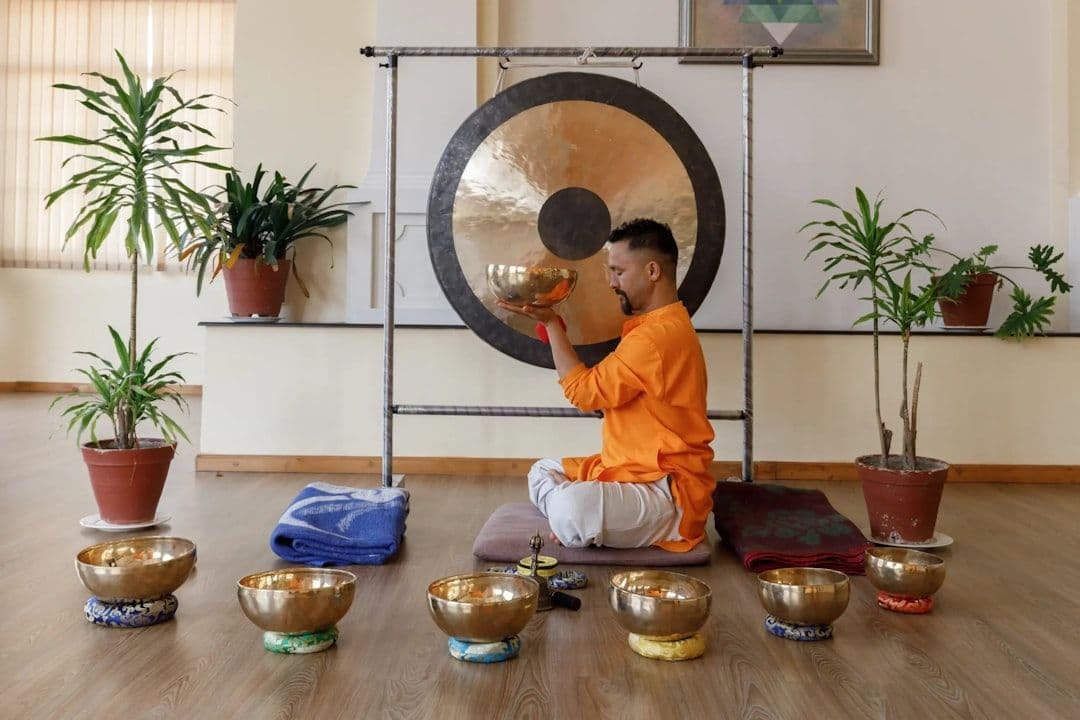
Preparing for Your Session
Wear comfortable, loose-fitting clothing that allows for movement, as sessions may include bodywork or breathing exercises. Avoid heavy meals within two hours of your appointment, though light snacks are fine. Bring a water bottle and any relevant medical information, including current medications and previous therapy experiences.
Arrive 10-15 minutes early to complete intake forms and settle into the space. Many practitioners ask you to avoid alcohol or recreational substances for 24 hours beforehand, as these can interfere with both emotional processing and energy-based work. If you're particularly anxious, inform your practitioner when booking—they can often offer a brief phone consultation to address concerns.
Your Initial Assessment
Your first session typically runs longer—90 to 120 minutes—and focuses primarily on comprehensive assessment. Your practitioner will ask about your physical symptoms, emotional patterns, relationships, stress levels, and spiritual beliefs or practices. Unlike conventional therapy, they'll explore how these areas interconnect rather than addressing them separately.
Expect questions about your sleep, digestion, energy levels throughout the day, and how you experience emotions in your body. Some practitioners may ask you to complete brief movement assessments or breathing exercises to observe how you hold tension or respond to stress. This isn't testing your ability—it's gathering information about your current patterns.
The conversation often feels more like speaking with a wise friend than a clinical interview. Many people report feeling genuinely heard for the first time, as practitioners are trained to listen for themes across all dimensions of your experience.
The Therapeutic Process
Subsequent sessions typically last 60-75 minutes and blend multiple approaches based on what emerges. You might begin with verbal processing of recent experiences, then shift to breathing work when emotions arise, or engage in gentle movement to release physical tension. Transitions between modalities feel natural rather than jarring.
Some sessions emphasise talk therapy techniques—exploring thought patterns, relationship dynamics, or life transitions. Others focus more on somatic awareness—learning to notice how emotions register in your body and practicing techniques to regulate your nervous system. Mindfulness practices often weave throughout, helping you stay present with whatever arises.
Practitioners frequently incorporate energy-based approaches, though the specific techniques vary widely. You might experience guided visualisation, chakra balancing, or hands-on healing work. These elements are introduced gradually and only with your explicit consent.
What You Might Experience
During sessions, expect a range of sensations and emotions. Many people report feeling deeply relaxed, sometimes followed by unexpected emotional releases—tears, laughter, or memories surfacing. Physical sensations are common: warmth or tingling in specific body areas, temporary dizziness as tension releases, or sudden insights that feel profoundly clear.
Some people feel energised immediately after sessions, whilst others experience a healing fatigue that can last several hours. Both responses are normal and often indicate that significant processing is occurring. Emotional sensitivity frequently increases for 24-48 hours post-session, as defences soften and awareness heightens.
Not everyone experiences dramatic shifts. Some sessions feel quietly productive, like pieces of a puzzle slowly arranging themselves. Trust your own process—healing doesn't always announce itself with fanfare.
Aftercare and Integration
Plan for rest following your session. Many practitioners recommend avoiding major decisions or stressful activities for the remainder of the day. Drink plenty of water, as emotional and energetic processing can be surprisingly dehydrating. Light physical activity like walking often helps integrate insights, whilst intense exercise may overwhelm your system.
Keep a journal nearby for the first few days. Insights, dreams, or emotional shifts often continue between sessions. Some practitioners provide specific homework—breathing exercises, movement practices, or reflection questions—designed to deepen the work between appointments.
Avoid alcohol or recreational substances for 24 hours post-session, as they can interfere with integration processes. Be gentle with yourself if emotions feel close to the surface. This increased sensitivity typically indicates that positive changes are occurring beneath conscious awareness.
Treatment Duration and Frequency
Most practitioners recommend beginning with weekly sessions for the first month, allowing momentum to build without overwhelming your system. After this initial phase, sessions may space to fortnightly or monthly, depending on your progress and goals.
Significant shifts often emerge after 3-4 sessions, once trust is established and initial patterns are identified. A complete treatment course typically ranges from 6-12 sessions, though some people continue monthly sessions for ongoing support and personal growth.
Progress isn't always linear. Some sessions will feel transformative, others might seem uneventful but prove significant in retrospect. Most people report noticing changes first in their daily resilience and emotional regulation, with deeper life shifts emerging over several months.